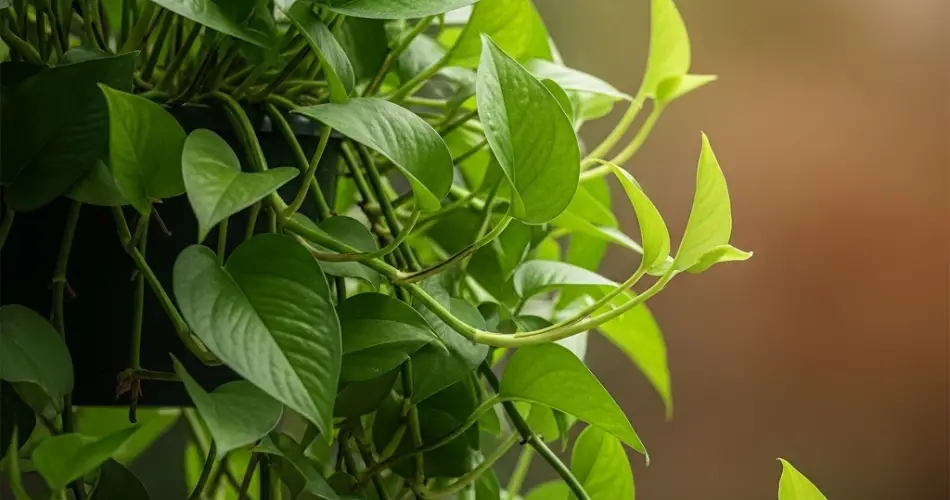
Pothos (Epipremnum aureum), often called devil’s ivy, is one of the most popular and easiest houseplants to grow. Its trailing vines and heart-shaped leaves make it a favorite for adding greenery to homes and offices. Whether you are a beginner or looking to elevate your plant care skills, nurturing pothos like a seasoned gardening expert is both satisfying and surprisingly simple.
This guide will walk you through everything you need to know to keep your pothos thriving and vibrant for years to come.
Why Pothos Is Perfect for All Levels of Gardeners
Pothos is well-loved because of its incredible adaptability and low maintenance. It thrives in a variety of lighting conditions, from low light to bright indirect light. It also tolerates irregular watering and can bounce back from neglect.
Some key reasons to grow pothos include:
-
Air purification: Pothos filters toxins such as formaldehyde and benzene, improving indoor air quality.
-
Versatile growth: It can trail from hanging baskets or climb support structures.
-
Easy propagation: New plants can be grown quickly from cuttings.
-
Low pest issues: Pothos is generally resistant to most common pests.
Choosing the Right Pothos Variety
Pothos comes in several attractive varieties that vary in leaf color and pattern:
-
Golden Pothos: Classic variety with bright green leaves and golden-yellow variegation.
-
Marble Queen: Known for white and cream marbled leaves.
-
Neon Pothos: Vibrant chartreuse leaves that brighten any space.
-
Jade Pothos: Solid green leaves for a more traditional look.
Choose a variety that suits your style and indoor lighting conditions.
Ideal Light Conditions
Pothos thrives in bright, indirect light but can tolerate low light environments. However, variegated varieties like Marble Queen and Neon Pothos need brighter light to maintain their color. In dimmer areas, the leaves may turn darker green.
Avoid direct sunlight, as it can scorch the leaves.
Potting and Soil Requirements
For healthy pothos growth, use a well-draining potting mix. A blend made for houseplants or one combining peat moss, perlite, and vermiculite works well. Ensure your pot has drainage holes to prevent water accumulation, which can lead to root rot.
Watering Like a Pro
Watering pothos correctly is key to its health. Overwatering is a common mistake.
-
Allow the top 1-2 inches of soil to dry out between waterings.
-
Water thoroughly until excess drains from the bottom of the pot.
-
Reduce watering in winter when the plant’s growth slows.
If leaves begin to yellow or soften, it might be a sign of overwatering or poor drainage. Conversely, curling or browning leaf tips often indicate underwatering or low humidity.
Humidity and Temperature
Pothos is quite adaptable to typical indoor conditions. It prefers temperatures between 65°F and 85°F (18°C to 29°C). Avoid exposing the plant to temperatures below 50°F (10°C).
While pothos tolerates normal indoor humidity, it thrives with higher humidity levels. You can increase humidity by misting leaves, using a humidifier, or placing the pot on a tray with water and pebbles.
Feeding and Fertilizing
Feed your pothos every 4-6 weeks during the growing season (spring and summer) using a balanced liquid fertilizer diluted to half strength. Avoid over-fertilizing, which can cause salt buildup and damage roots.
Pruning and Training Your Pothos
Regular pruning helps maintain a lush, full appearance and encourages new growth. Trim back long vines just above a leaf node to stimulate branching.
You can train pothos to climb a moss pole, trellis, or allow it to cascade from hanging baskets. Use soft plant ties to gently secure vines to supports.
Propagation Made Easy
One of the joys of growing pothos is how easy it is to propagate.
-
Cut a 4-6 inch stem just below a leaf node.
-
Remove the lower leaves, leaving a couple at the top.
-
Place the cutting in water or directly in moist potting soil.
-
Roots will develop within 2-4 weeks, after which you can pot the new plant.
Propagation allows you to multiply your greenery or share plants with friends.
Common Problems and How to Solve Them
-
Yellow leaves: Often caused by overwatering or poor drainage.
-
Brown leaf tips: Usually due to low humidity or inconsistent watering.
-
Leggy growth: Lack of sufficient light can cause the plant to stretch and lose compactness.
-
Pests: Rare but possible pests include spider mites and mealybugs. Treat infestations with insecticidal soap or neem oil.
Enhancing Your Space with Pothos
Pothos’s trailing habit makes it perfect for shelves, bookcases, or hanging baskets. Its versatility allows it to brighten small corners or large rooms. Grouping pothos with other low-maintenance plants like snake plants or ZZ plants creates a lush indoor jungle feel.
Final Thoughts
Nurturing pothos like a seasoned gardener boils down to providing balanced light, watering wisely, feeding moderately, and pruning regularly. With minimal effort, this resilient plant rewards you with vibrant, lush vines that enhance any indoor space.
Whether you are a beginner or an experienced plant lover, mastering pothos care will boost your confidence and green thumb, adding a touch of natural beauty to your home.


