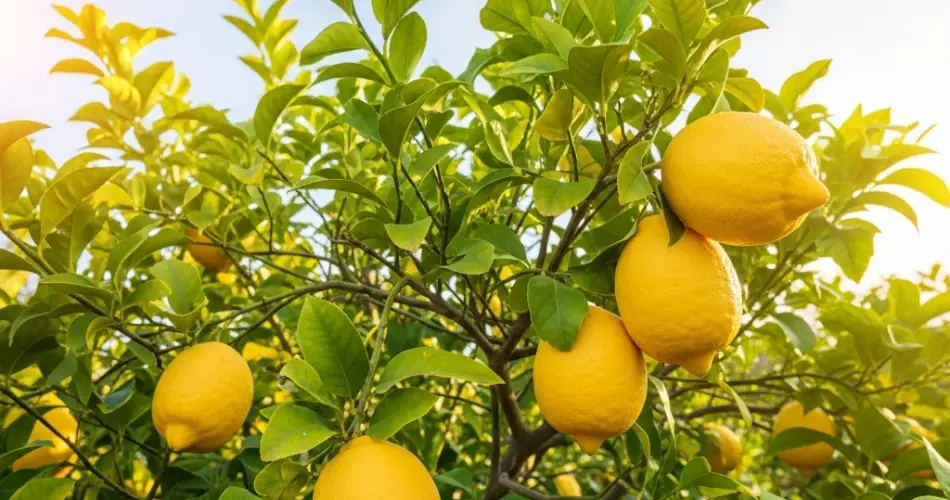
Growing a lemon tree from seed may seem like a slow and uncertain process, but with the right techniques, patience, and a bit of creativity, you can speed things up and enjoy a thriving citrus plant—even if you start with nothing but a lemon from your kitchen. Lemon trees are not only beautiful and fragrant but also rewarding when they begin to bear fruit. Whether you have a balcony, windowsill, or small garden, it’s entirely possible to nurture a lemon tree from seed to stunning with minimal experience.
Here’s a step-by-step guide to help you grow a vigorous lemon tree and get faster results than you thought possible.
Step 1: Choose the Right Lemon and Extract Viable Seeds
Start with a fresh, organic lemon. Non-organic lemons are often treated with chemicals that can reduce seed viability. Cut the lemon and extract several seeds. Rinse them under cool water to remove any pulp or sugars, which can cause mold or slow germination.
For faster results, select the plumpest, healthiest-looking seeds. Remove the outer shell of the seed by gently peeling it with your fingernail or tweezers. This step can significantly reduce germination time.
Step 2: Pre-Germinate the Seeds
Place the cleaned seeds between two damp paper towels, then seal them inside a plastic zip-lock bag or container. Keep this setup in a warm, dark location—like the top of your fridge or inside a kitchen cabinet—for 7 to 14 days.
Check daily to ensure the towels stay moist but not soaked. Within a week or two, tiny white roots should begin to emerge. Once the roots are about half an inch long, they’re ready to plant.
Step 3: Prepare the Perfect Potting Mix
Lemon trees thrive in light, well-draining soil. For the best results, prepare a mix using:
-
1 part potting soil
-
1 part compost
-
1 part perlite or sand
This combination provides nutrients while ensuring that excess moisture doesn’t sit around the roots.
Choose small pots (about 4 inches wide) with drainage holes to start your seedlings. Once they outgrow these, you can transplant them into larger containers.
Step 4: Plant and Position for Optimal Growth
Plant each sprouted seed root-down about half an inch deep in the soil. Water lightly and place the pots in a bright, warm location. Lemon seedlings need at least 8–10 hours of sunlight per day. A south-facing window is ideal; if that’s not available, consider using a grow light.
Maintain temperatures around 70°F (21°C) during the day and avoid drafts or cold spots. These tropical plants love warmth.
Step 5: Water and Feed Thoughtfully
Lemon trees prefer slightly moist soil, but overwatering is a common mistake. Water the plant when the top inch of soil feels dry to the touch. In cooler months, reduce watering frequency to prevent root rot.
Once your seedling has grown 3–4 sets of leaves, start feeding it monthly with a balanced liquid fertilizer. Choose one with micronutrients like magnesium, iron, and zinc—essential for healthy citrus growth.
Step 6: Repot and Encourage Growth
When your lemon tree reaches about 6–8 inches tall, it’s time to move it into a larger pot. Choose a container that’s at least 10–12 inches wide with good drainage.
To promote a strong central stem and bushier shape, pinch off the tip of the main shoot once the plant is about a foot tall. This encourages side branching, resulting in a fuller tree.
Keep rotating the pot every few days so the tree grows upright and evenly.
Step 7: Prune, Support, and Protect
Regular pruning helps maintain shape, encourages airflow, and promotes new growth. Remove dead or yellowing leaves and trim back long, leggy branches.
If growing indoors, gently wipe the leaves occasionally to remove dust and keep them photosynthesizing efficiently.
Watch for pests like aphids or spider mites. A simple solution of water and mild dish soap sprayed on the leaves can help eliminate them.
Step 8: Patience Pays Off—What to Expect
While lemon trees grown from seed can take 3 to 5 years to produce fruit, the journey is rewarding. During this time, you’ll have a beautiful, fragrant houseplant that adds life and greenery to your space.
To maximize chances of fruiting:
-
Make sure the plant gets plenty of sunlight.
-
Fertilize regularly.
-
Avoid letting the plant dry out completely.
-
Consider hand-pollinating the flowers using a small brush if grown indoors.
Some indoor growers even see blossoms within the second or third year, especially if grown in ideal conditions.
Final Thoughts
Nurturing a lemon tree from seed isn’t just a gardening project—it’s a fulfilling experience that connects you to the life cycle of one of nature’s most versatile fruits. With a few kitchen scraps, the right care, and a bit of patience, you can transform a simple lemon seed into a vibrant, fruit-bearing tree that brings beauty and freshness into your home.
Whether you’re new to gardening or simply want to try something meaningful, this journey from seed to citrus is one of the most rewarding paths you can take.


