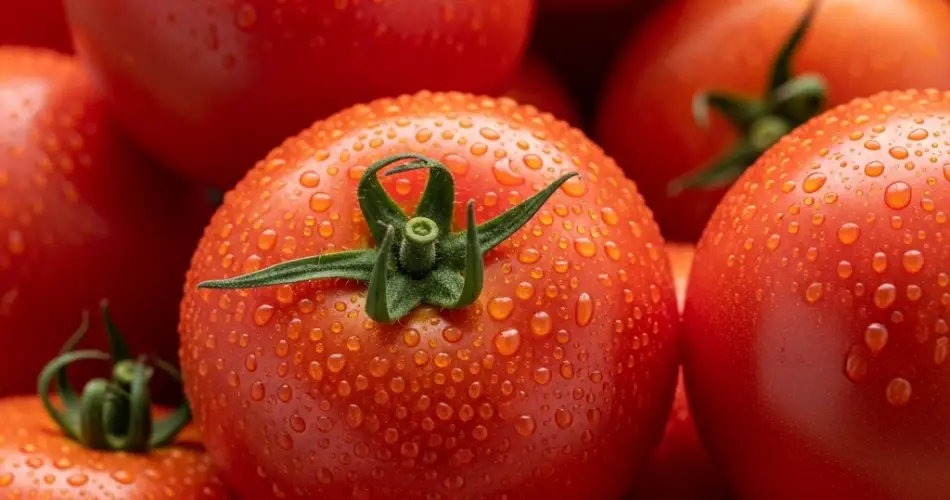
Tomatoes are one of the most rewarding plants to grow at home, offering a steady supply of fresh, flavorful fruits when properly cared for. While tomato plants are traditionally grown in warm months, it is possible to extend their productivity—and even enjoy vibrant blooms and fruit year-round—with the right techniques.
Whether you’re growing in a garden, on a balcony, or in containers indoors, maximizing tomato yield is achievable through smart practices in planting, feeding, and maintenance. Here’s how to get abundant tomatoes and continuous blossoms without much hassle.
1. Choose the Right Tomato Varieties
Start by selecting the best type of tomato for your space and goals. Determinate (bush) varieties grow to a certain height and fruit all at once, making them suitable for small spaces or containers. Indeterminate (vining) varieties keep growing and producing over a longer period, ideal for those aiming for year-round harvests indoors or in greenhouses.
Top high-yielding tomato varieties include:
-
‘Sungold’ – sweet cherry tomatoes with prolific production
-
‘Roma’ – compact plants ideal for sauces and preservation
-
‘Beefsteak’ – large fruits for slicing
-
‘Early Girl’ – reliable early producer
Choose disease-resistant hybrids for healthier, longer-lasting plants.
2. Start with Strong Seedlings
Whether growing from seed or buying young plants, healthy seedlings set the stage for high yields.
-
Start seeds indoors 6–8 weeks before the last frost (or grow indoors year-round under lights).
-
Use seed-starting mix and provide consistent warmth (70–80°F).
-
Once seedlings develop true leaves, transplant them into larger pots and gradually harden them off if moving outdoors.
Strong starts reduce stress and help plants bloom and fruit more vigorously.
3. Use Rich, Well-Drained Soil
Tomatoes are heavy feeders. To support lush growth and continuous flowering, they need fertile soil.
Prepare the soil by:
-
Mixing in plenty of organic compost or aged manure
-
Ensuring good drainage to prevent root rot
-
Adding perlite or sand to loosen dense soil
-
Checking for a pH between 6.2 and 6.8
In containers, use a high-quality potting mix labeled for vegetables.
4. Provide Ample Sunlight
Tomatoes need at least 6–8 hours of direct sunlight daily. For indoor growing, supplement with grow lights to maintain consistent light exposure, especially in cooler seasons.
Place your plants:
-
Outdoors in the sunniest spot available
-
Indoors near a south-facing window or under full-spectrum grow lights
-
On a rotating base to ensure even light on all sides
Light is crucial not just for growth, but for triggering continuous flowering and fruiting.
5. Water Consistently and Deeply
Tomato plants thrive with steady moisture. Inconsistent watering can lead to problems like blossom-end rot and fruit cracking.
Follow these watering tips:
-
Water deeply at the base of the plant, not overhead
-
Keep soil consistently moist but not soggy
-
Mulch with straw or compost to retain moisture
-
In containers, check moisture daily and adjust as needed
Install a drip system or self-watering container for even more control.
6. Feed Regularly for Flowering and Fruiting
Tomatoes are nutrient-hungry, especially during flowering. Balanced feeding boosts blooms and leads to more fruit.
Best practices:
-
Use a low-nitrogen, high-potassium fertilizer (e.g., 5-10-10) once fruiting begins
-
Apply organic compost tea or seaweed extract weekly
-
Avoid over-fertilizing with nitrogen, which encourages leaf growth but delays blooms
Switch from starter fertilizer to bloom booster once the first flowers appear.
7. Prune and Support for Maximum Productivity
Pruning helps redirect energy into fruit production rather than unnecessary foliage.
Tips:
-
Pinch off “suckers” (small shoots between the main stem and branches)
-
Remove yellowing lower leaves
-
Stake or trellis indeterminate varieties to keep them upright and productive
-
Avoid overcrowding to ensure good airflow
Well-maintained plants are less prone to disease and more likely to flower year-round.
8. Protect from Pests and Disease
Tomatoes are prone to common pests like aphids and whiteflies, as well as fungal issues like blight.
Protect your plants by:
-
Inspecting leaves regularly
-
Spraying with neem oil or insecticidal soap
-
Rotating crops and cleaning tools between plantings
-
Using disease-resistant seeds when possible
Healthy plants recover quickly and continue to produce even under occasional stress.
9. Extend the Season Indoors
To keep tomatoes blooming year-round:
-
Grow compact varieties indoors in containers
-
Use artificial lights for 12–16 hours a day
-
Maintain warm temperatures (65–75°F)
-
Hand-pollinate flowers with a small brush to encourage fruiting indoors
With care and the right setup, you can harvest fresh tomatoes throughout the colder months.
Final Thoughts
Maximizing tomato yield isn’t just about more fruit—it’s about consistent care, smart techniques, and a bit of planning. By choosing the right varieties, feeding and watering properly, and keeping your plants healthy and well-supported, you can enjoy vibrant tomato blooms and bountiful harvests all year long, indoors or out.
Whether you’re a beginner or seasoned gardener, these steps can help you grow thriving tomato plants that reward you season after season.


