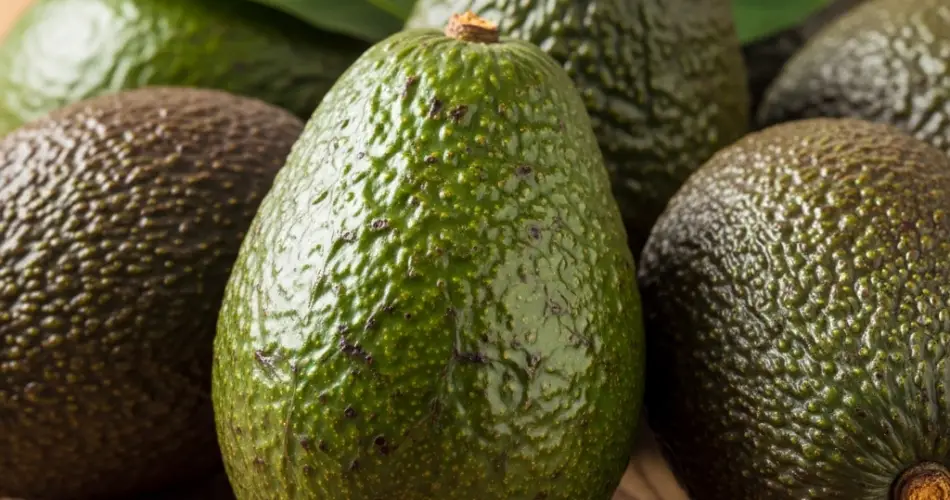
Avocado trees are often seen as exotic, high-maintenance plants that only thrive in ideal conditions. But with the right techniques, it’s possible to enjoy vigorous, year-round growth and maximize yield, even if you’re growing your avocado in a pot or small backyard. While homegrown avocados may not bloom 12 months a year, you can certainly support healthy, continuous growth and increase the chances of fruit production over time.
Here’s how to raise your avocado plant for lush foliage, steady development, and potential fruit yield without frustration.
1. Start with the Right Variety
If your goal is to maximize yield, the variety of avocado you grow matters. Some types are more productive than others in home environments. ‘Hass’ is one of the most popular varieties and is well-suited to container growing and home orchards. Other good choices include ‘Bacon’, ‘Fuerte’, and ‘Zutano’.
For consistent productivity, consider purchasing a grafted tree from a nursery rather than growing from seed. Grafted trees typically bear fruit much earlier—within 2–4 years—compared to 8–13 years for seed-grown trees.
2. Choose a Suitable Container or Planting Location
If growing in containers, use a pot that’s at least 15–20 gallons in volume, with excellent drainage. Avocados hate “wet feet,” and soggy soil will quickly lead to root rot.
If planting in the ground, choose a spot with:
-
Full sun (6–8 hours daily)
-
Good air circulation
-
Well-drained, sandy or loamy soil
Elevated mounds or raised beds are great options if your native soil is clay-heavy or poorly drained.
3. Use Nutrient-Rich Soil and Feed Regularly
Avocados are heavy feeders. To support lush, year-round growth, use a light, nutrient-rich soil mix that allows roots to breathe. A blend for citrus or a mix of compost, sand, and loamy soil works well.
Fertilize with a balanced, slow-release fertilizer rich in nitrogen, potassium, and magnesium. Feed during the growing season—spring through early fall—and ease off in winter.
You can also add:
-
Aged compost or worm castings for organic nutrients
-
Seaweed extract or fish emulsion for micronutrients
For mature trees, use a fertilizer labeled specifically for fruit trees, following the package instructions for frequency and dosage.
4. Water Smartly
Proper watering is essential for avocado yield. The key is deep, infrequent watering—enough to moisten the entire root zone, but spaced out so the soil can dry in between.
Tips:
-
Water when the top 2 inches of soil feel dry.
-
In hot weather, you may need to water 2–3 times a week.
-
In cooler months, reduce frequency to avoid overwatering.
Mulching with bark or straw helps retain moisture and regulate temperature, especially in hot climates.
5. Prune Strategically
Pruning is one of the best ways to stimulate new growth and manage the shape of your avocado tree.
Prune in late winter or early spring by:
-
Removing dead, damaged, or crossing branches
-
Trimming overly long branches to encourage lateral growth
-
Opening the canopy to allow light into the center of the tree
For container trees, pruning keeps the plant compact and manageable while boosting productivity.
6. Encourage Pollination
Many avocado trees have a unique flowering system known as “A” and “B” types, where male and female flowers open at different times of day. Planting two different varieties (one A-type and one B-type) can improve cross-pollination and yield.
If space is limited, you can hand-pollinate by transferring pollen from one flower to another using a soft brush or cotton swab.
Bees and other pollinators also play a crucial role. Avoid chemical pesticides and consider planting pollinator-friendly flowers nearby.
7. Protect from Stress
Stress can stunt growth and reduce yield. Shield your avocado tree from:
-
Strong winds (which can snap branches or dry out leaves)
-
Frost (avocados are sensitive below 32°F or 0°C)
-
Sudden temperature swings
During cold snaps, cover the tree with frost cloth or bring potted trees indoors. During extreme heat, provide shade and water more frequently.
8. Monitor for Pests and Diseases
Keep an eye out for common avocado pests such as:
-
Spider mites
-
Thrips
-
Scale insects
Use insecticidal soap, neem oil, or introduce beneficial insects like ladybugs to keep infestations under control. Fungal issues like root rot are often linked to overwatering—avoid soggy conditions to prevent this.
9. Be Patient and Consistent
Even under ideal care, avocado trees take time to mature. Consistent care, year-round attention to light, water, and nutrients, and protection from stress will build a strong foundation for long-term yield.
Final Thoughts
Maximizing avocado yield isn’t about fancy tools or complex routines—it’s about consistency, observation, and providing the conditions that the plant naturally thrives in. Whether you’re growing your avocado in a pot or in the ground, the right balance of sunlight, moisture, nutrients, and pruning will set you on the path to vibrant growth and, with patience, delicious homegrown fruit.


