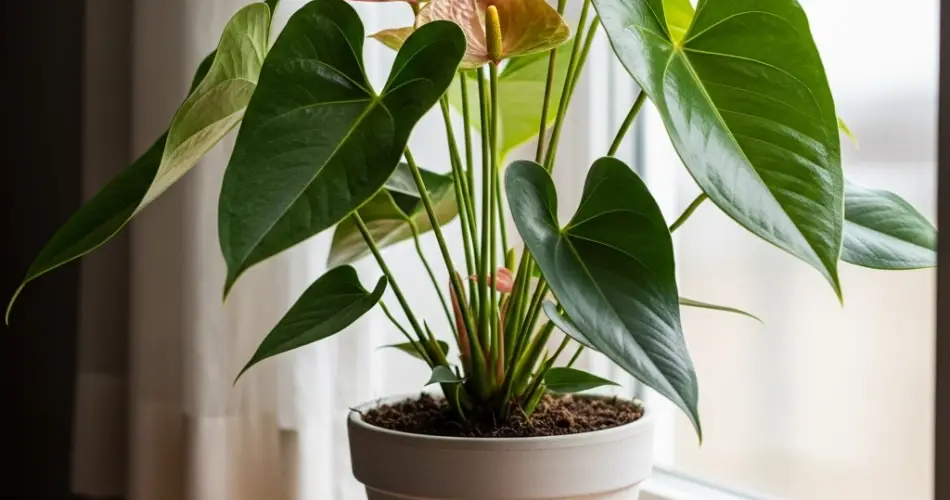
Anthuriums—also known as flamingo flowers or laceleaf—are tropical plants cherished for their vibrant, waxy blooms and striking foliage. Often seen as exotic and difficult to care for, they’re actually quite manageable, even for beginners. With a little attention to their basic needs, anyone can grow lush, long-blooming anthuriums and maximize their yield—even without prior gardening experience.
Here’s a beginner-friendly guide to help you get the most flowers and healthy growth from your anthurium plant, step-by-step.
Understanding What “Yield” Means for Anthuriums
Unlike fruiting plants, the “yield” of an anthurium refers to the number of blooms it produces over time. A well-cared-for anthurium can flower year-round, producing long-lasting, colorful spathes (the bright, petal-like part) and deep green, glossy leaves.
Maximizing yield means encouraging consistent blooming and robust foliage growth, which is possible even with minimal experience.
1. Choose the Right Spot Indoors
Anthuriums thrive in bright, indirect light. A spot near a north- or east-facing window is ideal. Avoid direct sun, which can scorch the leaves and flowers, but also avoid dark corners, as lack of light can halt blooming.
If your plant isn’t blooming, light is usually the first thing to adjust. You can also use a grow light if natural light is limited—just make sure it mimics daylight for about 10–12 hours per day.
2. Pick the Perfect Pot and Soil
A healthy root system is key to vibrant blooms. Use a well-draining pot with holes in the bottom, and avoid overly large containers which can retain too much moisture.
As for soil, anthuriums prefer a loose, airy mix. Combine regular potting soil with orchid bark, perlite, or even coconut coir for a light, chunky texture. This allows roots to breathe while still retaining moisture.
3. Water Just Right—Not Too Much, Not Too Little
Anthuriums prefer consistently moist soil, but they hate sitting in water. Water when the top inch of soil feels dry. During warmer months, this may mean watering once a week. In cooler months, every 10–14 days may be enough.
Signs of overwatering include yellowing leaves, root rot, or soggy soil. Underwatering may lead to drooping or crispy leaf edges. Stick to a regular watering schedule and adjust based on season and indoor humidity.
4. Boost Humidity—Your Anthurium Will Thank You
Being tropical plants, anthuriums thrive in high humidity. If your indoor air is dry—especially during winter—consider placing your plant in a naturally humid room like a bathroom with a window, or use a humidifier.
Alternatively, you can set the pot on a tray of pebbles and water (without letting the pot sit directly in water) or mist the plant regularly. Aim for 60–80% humidity to mimic its natural environment and support flowering.
5. Feed for More Blooms
Fertilizing your anthurium correctly will increase the number and frequency of its blooms. Use a balanced liquid houseplant fertilizer—something like 20-20-20—diluted to half strength every 6–8 weeks during the growing season (spring through early autumn).
You can also use fertilizers with a slightly higher phosphorus content (middle number) to promote more flowering. Avoid over-fertilizing, which can burn the roots and stunt growth.
6. Repot Every 1–2 Years
Anthuriums like slightly snug pots, but once they become root-bound (roots circling the pot or growing out the bottom), it’s time to repot. This gives the roots more space, refreshes the soil, and encourages better growth and blooming.
The best time to repot is in the spring or early summer when the plant is entering an active growth phase.
7. Keep It Clean and Pruned
Remove dead or yellowing leaves and spent flowers regularly to redirect the plant’s energy into new growth. Use clean, sharp scissors or pruners and always cut near the base of the leaf or stem.
Dust can also collect on the leaves, limiting photosynthesis. Wipe the leaves gently with a damp cloth once a month to keep them clean and healthy.
8. Watch for Pests and Problems
Common pests include spider mites, aphids, and mealybugs. If you notice small webs, sticky residue, or cotton-like patches on the leaves, act quickly. Use insecticidal soap or a homemade solution of water and mild dish soap to treat infestations.
Also, keep an eye on leaf color. Yellowing can be caused by overwatering or lack of nutrients, while brown tips may suggest low humidity.
9. Be Patient—Blooms Take Time
Anthuriums typically bloom every 2–3 months and each flower can last for several weeks. Even with perfect care, it may take some time before your plant begins to produce regular flowers, especially if it’s still young.
Stay consistent with care and trust the process. The better you match its natural needs, the more your anthurium will reward you with beautiful, long-lasting blooms.
Final Thoughts
You don’t need years of gardening experience to grow a stunning, flower-filled anthurium. With the right combination of light, moisture, soil, and gentle care, anyone can bring out the best in this elegant tropical plant. Start small, observe how your plant responds, and before long, you’ll be enjoying a vibrant, healthy anthurium that blooms again and again.


