Many gardeners struggle with the short lifespan of their favorite plants. Whether it’s due to improper care, unsuitable growing conditions, or disease, it’s frustrating to see plants wither away after only a season or two. But with the right techniques, you can extend the life of your plants significantly—even for many years—while keeping them healthy and vibrant.
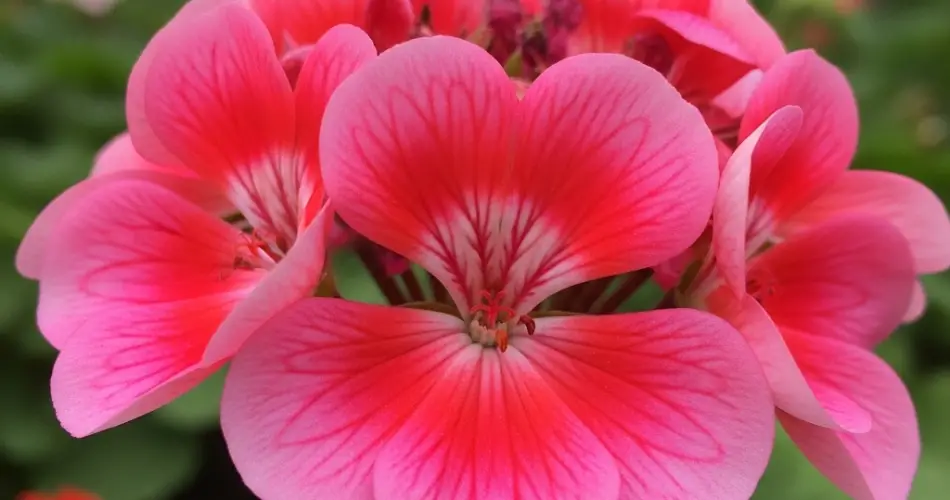
This article explores an effective approach to long-lasting plant care through an experiment with geraniums, a popular flowering plant known for its beauty and resilience. By applying these principles, you can ensure your plants thrive for years, not just months.
Why Do Plants Sometimes Fail to Thrive Long-Term?
Before diving into solutions, it’s important to understand why plants often fail to last.
-
Soil exhaustion: Over time, nutrients in the soil deplete without proper replenishment.
-
Improper watering: Both overwatering and underwatering stress plants and encourage disease.
-
Poor light conditions: Plants need appropriate light levels based on their species.
-
Pests and diseases: Without timely control, these can weaken or kill plants.
-
Lack of pruning or maintenance: Dead or old growth limits air circulation and new growth.
Many gardeners focus on quick fixes but overlook ongoing care and soil health, which are key for longevity.
The Geranium Experiment: Setting Up for Long Life
Geraniums are an ideal choice for experimenting with long-term care. They’re popular, relatively easy to grow, and responsive to improved care conditions.
Here’s how the experiment was set up:
-
Two groups of geranium plants were grown under different care regimes.
-
Group 1 received standard care: basic watering and occasional fertilizer.
-
Group 2 received enhanced care including soil improvement, balanced fertilizing, consistent watering, pruning, and pest management.
The goal was to observe differences in health, flowering, and longevity between the two groups over several seasons.
Key Factors That Prolong Plant Life
Based on this experiment and gardening best practices, here are the essential factors to keep your plants thriving for years:
1. Improve Soil Health
Healthy soil is the foundation of strong plants.
-
Use well-draining, nutrient-rich soil.
-
Regularly amend with organic compost or aged manure to replenish nutrients.
-
Avoid compacted soil by gently loosening around plants.
-
Consider adding beneficial microbes or mycorrhizal fungi to boost root health.
2. Water Properly
Water is vital, but balance is critical.
-
Water deeply and less frequently rather than shallow and often. This encourages deep root growth.
-
Allow the soil surface to dry out between watering to prevent root rot.
-
Mulch around plants to retain moisture and regulate temperature.
3. Fertilize Consistently and Wisely
Provide the right nutrients at the right time.
-
Use a balanced, slow-release fertilizer tailored for flowering plants.
-
Supplement with foliar feeds during the growing season for an extra boost.
-
Avoid excessive nitrogen which encourages leaf growth at the expense of flowers and roots.
4. Prune and Remove Dead Growth
Pruning promotes healthy growth and airflow.
-
Regularly trim old or damaged stems and spent flowers.
-
Pinch back tips to encourage bushier growth.
-
Remove any diseased or pest-damaged parts immediately to prevent spread.
5. Manage Pests and Diseases
Early intervention is key.
-
Monitor plants regularly for pests like aphids, spider mites, and whiteflies.
-
Use natural remedies such as neem oil or insecticidal soap to control infestations.
-
Maintain good sanitation by cleaning tools and removing debris.
6. Provide Adequate Light and Airflow
Proper light exposure influences growth and flowering.
-
Geraniums thrive in full sun or bright indirect light for at least 6 hours daily.
-
Ensure plants aren’t overcrowded to maintain airflow and reduce fungal problems.
Results from the Geranium Experiment
The plants in Group 2, which received the enhanced care, showed remarkable differences compared to Group 1:
-
Healthier foliage with fewer signs of stress or disease.
-
Longer flowering periods with more abundant blooms.
-
Stronger stems and overall sturdier plants.
-
Survived multiple growing seasons, whereas many plants in Group 1 declined after one year.
This experiment clearly demonstrates that thoughtful, consistent care makes a significant difference in plant longevity.
Applying These Tips to Your Garden
While this experiment focused on geraniums, these principles apply broadly to many other garden plants and ornamentals. By improving soil health, watering wisely, feeding plants properly, pruning, managing pests, and providing the right environment, you can extend the life of your plants dramatically.
Whether you grow perennials, shrubs, or container plants, adopting these care habits will help you enjoy a lush, thriving garden for years.
Final Thoughts
Plants are living organisms that respond to their environment. When provided with the right conditions and ongoing care, they can thrive and live much longer than expected. The geranium experiment highlights that even common garden plants benefit from a holistic approach to care.
Start implementing these strategies in your garden today, and watch your plants not only survive but flourish season after season.


