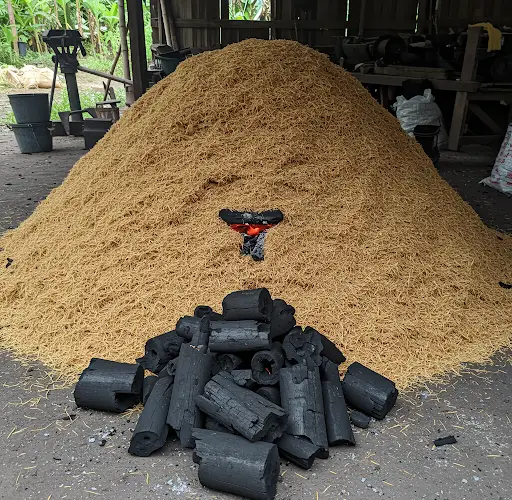
How to Make Rice Husk Charcoal as a Growing Medium for Your Garden
Rice husk charcoal, also known as biochar, is an incredible organic amendment that can greatly improve soil health, moisture retention, and microbial activity in your garden. Made from the outer covering of rice grains, this lightweight, porous material helps aerate the soil, enhances nutrient absorption, and reduces the risk of plant diseases — all while recycling agricultural waste into something useful.
This eco-friendly material is particularly valuable in tropical and subtropical gardening, where soils often suffer from poor structure or nutrient leaching. Rice husk charcoal is rich in silica and has a high surface area, which creates a perfect environment for beneficial microbes. Plus, it’s easy to make at home with minimal tools and zero chemicals.
In this guide, you’ll learn how to make rice husk charcoal step by step, along with tips on how to use it effectively in your garden.
What is Rice Husk Charcoal?
Rice husk charcoal is created by burning rice husks under low-oxygen conditions, a process called carbonization. Unlike ash, which results from complete combustion, charcoal retains much of the husk’s structure and porosity. This structure is what makes it such a valuable soil conditioner. It can be used alone or mixed with compost, soil, or other organic materials to form a potent growing medium.
Benefits of Rice Husk Charcoal in the Garden
-
Improves Soil Aeration: Its lightweight, porous texture loosens heavy clay and improves airflow around roots.
-
Enhances Water Retention: Absorbs and slowly releases moisture, helping plants withstand dry spells.
-
Supports Beneficial Microbes: The porous structure provides a habitat for microorganisms that help break down organic matter and support root health.
-
Increases Nutrient Efficiency: Helps retain nutrients in the root zone, reducing leaching and improving plant uptake.
-
Sustainable & Organic: Made from agricultural waste and free from synthetic inputs.
Materials You’ll Need
-
Dry rice husks (available from rice mills or as agricultural byproduct)
-
A metal container or drum (with a few bottom vents)
-
A cover (metal sheet or old lid)
-
Firewood, paper, or dried twigs (for initial ignition)
-
A stick or metal rod for stirring
-
Water (for cooling)
-
Protective gloves and mask (recommended)
Step-by-Step Guide to Making Rice Husk Charcoal
Step 1: Set Up a Safe Burning Area
Choose an open, well-ventilated space away from flammable materials. Place your metal container on a heat-resistant surface. A simple open-top drum or large metal pot with bottom holes for airflow works well.
Step 2: Start the Fire
Place some dry twigs, firewood, or paper at the bottom of the container and ignite them. Once the fire is established, add a thin layer of rice husks over the flame. Allow the fire to continue burning through the husks.
Step 3: Add More Rice Husks Gradually
Once the bottom layer starts to smolder (turning black but not burning to ash), gradually add more rice husks on top in thin layers. Avoid dumping large amounts at once, as this can smother the fire or cause complete combustion into ash instead of charcoal.
Step 4: Control the Burn
The goal is to carbonize, not incinerate. Stir the husks gently from time to time to expose fresh surfaces to the heat and allow uniform burning. The smoke should be light gray, not thick or dark — a sign that you’re getting clean, low-oxygen combustion.
Step 5: Finish the Process
Once the rice husks are mostly black and no longer flaming, but still warm, cover the container with a metal lid or damp cloth to extinguish the fire and stop further burning. This helps preserve the charcoal structure without turning it into ash.
Step 6: Cool and Store
Let the rice husk charcoal cool completely. Then, store it in a dry place in sacks or containers until ready for use. You can crush it lightly before mixing it into soil or compost.
How to Use Rice Husk Charcoal in the Garden
-
Soil Amendment: Mix into garden soil at a ratio of 10–20%. It works particularly well in raised beds, container gardens, and sandy or clay-heavy soils.
-
Potting Mix: Blend with compost, cocopeat, and perlite to improve aeration and water retention.
-
Compost Activator: Add to compost piles to help absorb moisture, reduce odors, and encourage microbial activity.
-
Mulch Alternative: Use a layer around plant bases to prevent weed growth and retain soil moisture.
Before use, you can “charge” the charcoal by soaking it in compost tea, liquid fertilizer, or diluted worm castings. This pre-loads it with nutrients and microbes, enhancing its performance in the soil.
Final Thoughts
Turning rice husks into charcoal is a practical, sustainable way to recycle agricultural waste and improve your garden’s productivity. Whether you’re growing vegetables, flowers, or herbs, rice husk charcoal provides long-term benefits for soil health, water retention, and plant growth. With just a few basic materials and a bit of care, you can produce a valuable amendment that supports a thriving, organic garden.
Try incorporating rice husk charcoal into your gardening routine and see the difference in your soil and harvest.


