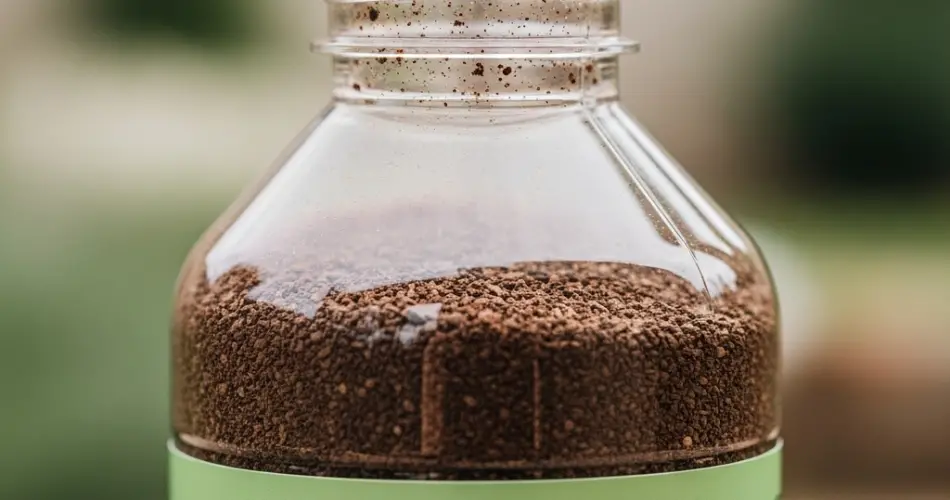
Feeding your plants doesn’t have to rely on store-bought products. Making your own organic fertilizer at home is an easy, cost-effective, and sustainable way to nourish your garden using materials you likely already have in your kitchen or backyard. Homemade organic fertilizers provide essential nutrients for plant growth while improving soil health and promoting a thriving garden ecosystem. With a little effort, you can create nutrient-rich blends tailored to your plants’ needs—all without synthetic chemicals.
Here’s a step-by-step guide to making organic fertilizer at home, along with several simple recipes you can try.
Why Choose Organic Fertilizer?
Organic fertilizers are made from natural materials like food scraps, animal waste, and plant matter. Unlike chemical fertilizers, they release nutrients slowly, improving long-term soil fertility rather than giving a short-term nutrient boost.
Benefits of organic fertilizer:
-
Improves soil structure and moisture retention
-
Feeds beneficial microbes and earthworms
-
Reduces waste by recycling kitchen and garden scraps
-
Safe for humans, pets, and the environment
Key Nutrients in Organic Fertilizer
Plants require three main macronutrients:
-
Nitrogen (N) – promotes leafy growth
-
Phosphorus (P) – supports root and flower development
-
Potassium (K) – boosts overall plant health and resistance
Homemade fertilizers can be created using different materials to provide a balanced mix of these essential nutrients.
Common Ingredients for DIY Organic Fertilizer
Before making your own fertilizer, get familiar with some nutrient-rich materials you can use:
-
Kitchen scraps: fruit and vegetable peels, eggshells, used coffee grounds
-
Yard waste: grass clippings, dried leaves, weeds (before they seed)
-
Manure: from herbivores like chickens, rabbits, cows, or horses (aged or composted)
-
Wood ash: contains potassium and calcium
-
Banana peels: rich in potassium and phosphorus
-
Epsom salt: provides magnesium and sulfur
-
Molasses: helps feed soil microbes
Simple Ways to Make Organic Fertilizer at Home
1. Compost
Composting is one of the most popular and effective ways to make organic fertilizer. It turns biodegradable waste into a nutrient-dense soil amendment.
How to do it:
-
Combine “greens” (nitrogen-rich materials like vegetable scraps, coffee grounds, and grass clippings) with “browns” (carbon-rich materials like dried leaves, cardboard, and straw).
-
Maintain a balance of 2 parts browns to 1 part greens.
-
Turn the pile regularly and keep it moist, like a wrung-out sponge.
-
In 1–3 months, you’ll have dark, crumbly compost ready to use.
How to use:
-
Mix into garden beds
-
Add as a top dressing around plants
-
Blend into potting soil
2. Banana Peel Liquid Fertilizer
Banana peels are high in potassium and phosphorus, which are essential for flowering and fruiting plants.
Recipe:
-
Chop 2–3 banana peels
-
Soak in 1 liter of water for 2–3 days
-
Strain and use the liquid to water your plants
Use for: tomatoes, peppers, flowering plants, and fruit trees.
3. Eggshell and Coffee Ground Blend
Eggshells contain calcium, and coffee grounds add nitrogen and organic matter.
How to make it:
-
Dry and crush eggshells
-
Mix with used coffee grounds
-
Sprinkle around the base of plants or mix into potting soil
This mix improves soil structure, adds nutrients, and can even deter slugs.
4. Epsom Salt Spray
Epsom salt provides magnesium and sulfur, both crucial for plant growth and photosynthesis.
How to use:
-
Dissolve 1 tablespoon of Epsom salt in 1 liter of water
-
Spray directly on plant leaves every 2–3 weeks
Great for tomatoes, peppers, and roses, especially if you see yellowing leaves between the veins.
5. Weed Tea Fertilizer
Weeds like comfrey, dandelion, and nettle are full of nutrients. Turn them into a liquid fertilizer instead of tossing them away.
How to make:
-
Fill a bucket with chopped weeds (before they flower)
-
Add water to cover the weeds
-
Let it steep for 1–2 weeks, stirring occasionally
-
Strain and dilute the liquid (1 part tea to 10 parts water)
Use it to water your garden beds or potted plants.
Tips for Successful Homemade Fertilizer Use
-
Always apply fertilizer to moist soil to avoid burning roots.
-
Don’t overdo it. Even organic fertilizers can harm plants if overapplied.
-
Rotate ingredients to give your soil a variety of nutrients.
-
Label containers clearly if storing liquid fertilizers for future use.
-
Observe how your plants respond and adjust recipes if necessary.
Final Thoughts
Making organic fertilizer at home is a practical and eco-friendly way to support your garden. With a few simple ingredients and some patience, you can create powerful natural fertilizers that promote healthy plant growth, enrich the soil, and help you grow greener—literally and environmentally. Whether you start with compost, banana peel tea, or eggshell blends, each small step brings you closer to a thriving, sustainable garden.


