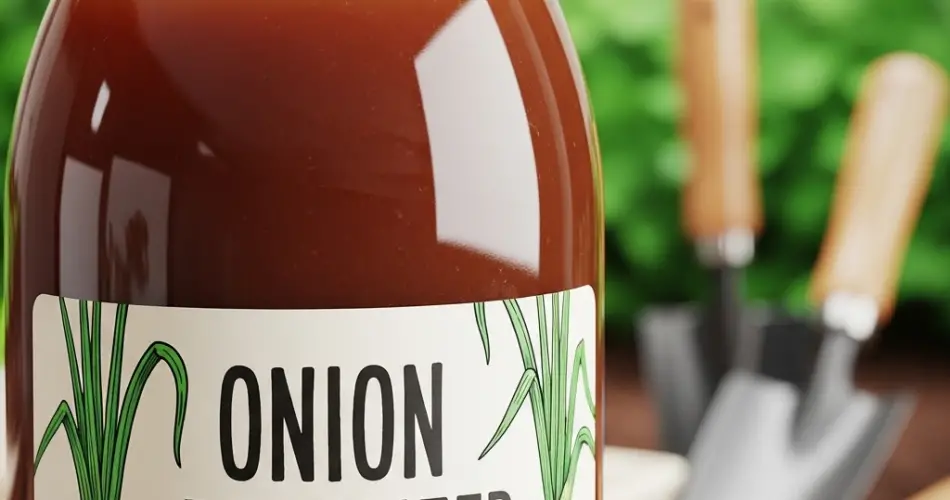
If you’re looking for an easy, natural way to give your garden a boost, onion fertilizer is a fantastic option. Onion peels are often discarded as kitchen waste, but they’re actually rich in nutrients that support stronger plant growth. Packed with potassium, calcium, iron, and antioxidants, onion peels can be transformed into a powerful homemade fertilizer that improves soil health and encourages healthy development in a wide range of plants.
Here’s a detailed guide on how to make onion fertilizer and use it effectively in your garden.
Why Onion Fertilizer Works
Onion peels are a great source of key plant nutrients, especially potassium, which helps improve plant immunity, water regulation, and fruit development. They also contain small amounts of calcium, magnesium, iron, and phosphorus, making them a well-rounded supplement for your garden.
In addition to nutrients, onion skins contain natural antioxidants like quercetin, which may help plants better resist stress and diseases. Using onion peel fertilizer supports soil life by feeding beneficial microorganisms that aid in breaking down organic matter and making nutrients more available to plant roots.
Benefits of Using Onion Fertilizer
-
Strengthens plant resistance to pests, disease, and environmental stress
-
Improves flowering and fruiting, especially in potassium-loving plants
-
Reduces food waste by turning kitchen scraps into garden nutrients
-
Safe and organic, with no synthetic chemicals or additives
-
Cost-effective, using ingredients you already have at home
How to Make Onion Peel Fertilizer
There are two easy methods to create onion-based fertilizer: a liquid fertilizer (onion peel tea) and a dry powder version. Each method can be used depending on your preference and the needs of your garden.
1. Onion Peel Fertilizer Tea (Liquid)
This is the most common method, ideal for quick nutrient absorption and weekly plant feeding.
What you’ll need:
-
A handful of dry onion peels (from red or yellow onions)
-
1 liter of clean water
-
A container with a lid (glass jar, pitcher, or recycled bottle)
-
A strainer or fine mesh
Steps:
-
Collect and rinse the onion peels to remove any dirt or residue.
-
Place the peels into the container.
-
Pour in 1 liter of water, making sure the peels are fully submerged.
-
Cover and let the mixture steep for 24 to 48 hours at room temperature.
-
After steeping, strain the liquid and discard or compost the used peels.
-
Use the onion tea immediately or store in a sealed container in the refrigerator for up to one week.
How to use:
-
Water the base of your plants with the onion tea once a week.
-
Avoid applying to foliage directly, especially in strong sunlight.
-
Ideal for vegetables, herbs, flowering plants, and container gardens.
2. Onion Peel Powder (Dry Fertilizer)
This method is great if you want a slow-release option or need to store fertilizer for longer periods.
What you’ll need:
-
Onion peels
-
An oven or dehydrator
-
A blender or food processor
Steps:
-
Spread the onion peels on a tray and allow them to air dry for a day or two.
-
For quicker drying, bake them in the oven at a low temperature (around 90°C or 200°F) for 1–2 hours until crisp.
-
Once completely dry, blend the peels into a fine powder.
-
Store the powder in an airtight container in a cool, dry place.
How to use:
-
Mix 1–2 tablespoons of onion peel powder into the soil near plant roots.
-
Use every two to three weeks as a nutrient boost.
-
Works well in potting mixes, garden beds, and raised planters.
Best Plants for Onion Fertilizer
Onion fertilizer is beneficial for a wide range of plants, especially those that thrive with potassium and trace minerals. Some excellent choices include:
-
Tomatoes
-
Peppers
-
Eggplants
-
Cucumbers
-
Beans
-
Leafy greens (lettuce, spinach, kale)
-
Herbs (basil, parsley, mint)
-
Flowering plants (zinnias, marigolds, roses)
Avoid using it near acid-loving plants like blueberries and azaleas, as onion peels may slightly raise the pH of the soil.
Additional Tips for Success
-
Use regularly: Apply onion fertilizer once a week or every two weeks for best results.
-
Combine with compost or other organic fertilizers to create a more balanced nutrient profile.
-
Avoid overuse: While onion peel fertilizer is gentle, too much can upset the soil balance over time.
-
Use fresh water when making tea to avoid contamination and unpleasant smells.
Final Thoughts
Making your own onion fertilizer is a simple, eco-friendly way to nourish your plants and cut down on kitchen waste. Whether you use a liquid tea or powdered form, this natural fertilizer strengthens your plants, improves soil health, and enhances growth without synthetic chemicals. With just a few onion peels and a little preparation, you’ll be giving your garden a natural, nutrient-packed boost—and your plants will thank you with vibrant growth and higher yields.


