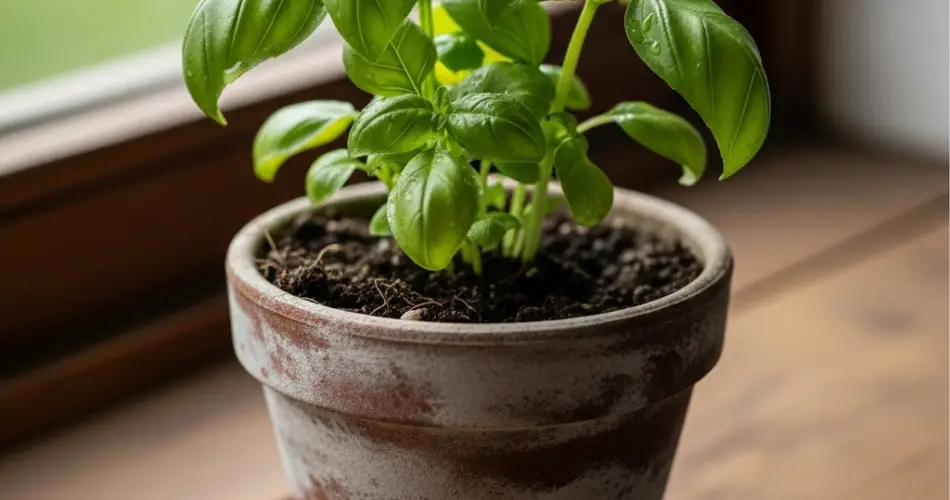
Basil is one of the most beloved herbs for home gardeners, not only because of its fragrant leaves but also because of how versatile it is in the kitchen. From fresh pesto to a garnish on pasta and salads, this herb adds freshness and aroma that few others can match. Growing basil in pots is an excellent option for those with limited space, and with the right care, it thrives just as well in containers as it does in garden beds. To keep your potted basil happy and healthy, you’ll need to focus on light, soil, water, pruning, and a few other essential growing practices.
Choosing the Right Pot and Soil
The first step in growing basil successfully is selecting a pot with good drainage. A container that is at least 6–8 inches deep gives the roots enough room to spread. Basil doesn’t tolerate soggy soil, so make sure the pot has drainage holes to prevent water from accumulating.
As for soil, a light, well-draining mix is ideal. A standard potting mix enriched with organic compost works well, giving the basil both aeration and nutrients. Avoid heavy garden soil, which can become compacted and lead to root problems.
Light Requirements
Basil is a sun-loving herb. To thrive, it needs at least 6 hours of direct sunlight daily. If you’re growing basil indoors, place the pot near a south-facing window where it can soak up maximum light. For households with limited sunlight, supplementing with a grow light ensures the plant receives enough energy for healthy leaf production.
In very hot climates, a little afternoon shade can prevent the leaves from scorching, but in most places, more sun means fuller, bushier plants.
Watering the Right Way
Water is crucial for basil, but overwatering is one of the most common mistakes. Basil prefers consistently moist soil, but it should never be waterlogged. A good rule is to water when the top inch of soil feels dry. Pour water slowly until it drains from the bottom of the pot, ensuring the roots are thoroughly hydrated.
During hot summer days, basil in pots may need daily watering, while in cooler or more humid conditions, every two to three days is often enough. Always adjust based on the plant’s environment and soil dryness rather than sticking to a strict schedule.
Fertilizing for Growth
Basil grows quickly and benefits from regular feeding. A balanced, water-soluble fertilizer applied every 3–4 weeks keeps the plant lush and productive. If you prefer organic methods, diluted fish emulsion or compost tea is a great alternative. Avoid over-fertilizing, as too much nitrogen can cause excessive leaf growth with less flavor.
Pruning and Harvesting
One of the keys to a healthy basil plant is proper pruning. Regularly pinching or cutting the stems encourages the plant to grow bushier rather than tall and spindly. When harvesting, always cut above a pair of leaves or leaf nodes. This practice stimulates new shoots and extends the plant’s lifespan.
For the best flavor, harvest leaves before the plant begins to flower. If you notice flower buds forming, pinch them off immediately. This redirects the plant’s energy back into producing leaves rather than seeds.
Protecting Against Pests and Diseases
Even in pots, basil can attract pests like aphids, spider mites, and whiteflies. Inspect the undersides of leaves regularly, and if you see pests, wash them off with a spray of water or apply insecticidal soap.
Fungal diseases, like downy mildew, can also affect basil, especially in humid conditions. To prevent this, water the soil directly instead of wetting the leaves, and make sure there’s adequate air circulation around the plant.
Overwintering and Extending the Season
Basil is a warm-season herb and doesn’t tolerate frost. If you live in a region with cold winters, bring your potted basil indoors before temperatures drop. Place it in a sunny window or under grow lights to continue harvesting throughout the season. Alternatively, you can take stem cuttings, root them in water, and start fresh plants indoors for a constant supply.
Companion Planting in Pots
If you’re growing multiple herbs in containers, basil pairs well with parsley, cilantro, and chives. However, avoid planting it in the same pot as rosemary or sage, which prefer drier soil conditions. Keeping compatible herbs together makes care easier and ensures each plant thrives in the same environment.
Final Thoughts
Caring for basil in pots is simple once you understand its needs. With the right soil, adequate sunlight, consistent watering, and regular pruning, your plant will reward you with an abundance of fragrant leaves for months. Whether you’re growing it on a sunny balcony, a kitchen windowsill, or a patio, basil adapts beautifully to container life and brings both beauty and flavor into your home.
Growing basil is not just about having a fresh supply of herbs—it’s also a rewarding experience that connects you to the process of nurturing plants. With these tips, you can keep your potted basil healthy, happy, and productive season after season.