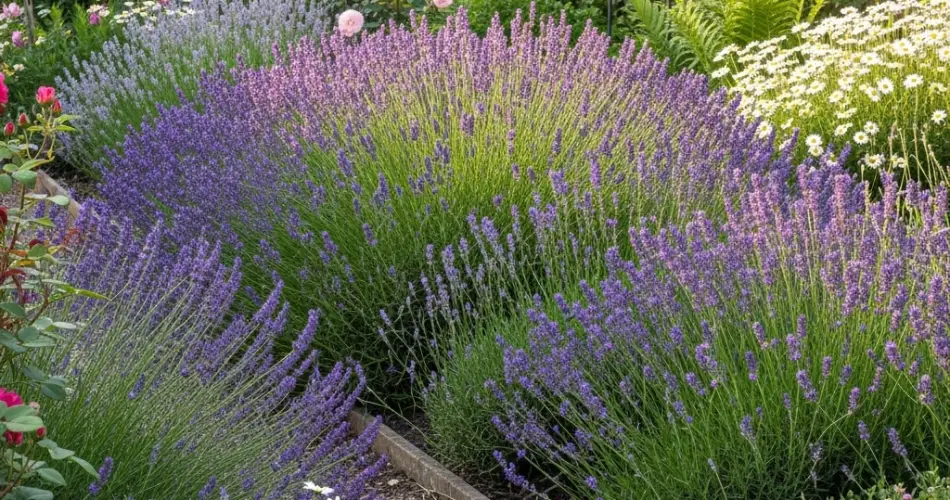
Lavender is renowned for its beautiful scent, striking purple blooms, and numerous uses—from fragrant sachets and essential oils to culinary and medicinal applications. Whether you grow lavender in your garden, on a balcony, or in pots, harvesting it properly is key to getting the best aroma, color, and longevity from your plants.
If you want to harvest lavender like a seasoned gardening expert, this comprehensive guide will walk you through everything you need to know—from timing and tools to drying and storing your lavender for maximum quality.
Understanding When to Harvest Lavender
Timing is crucial for harvesting lavender to ensure peak fragrance and color. The ideal moment to harvest is when about half of the flower buds on the stem have opened.
-
Early morning harvest: Pick lavender in the morning once the dew has dried but before the heat of the day sets in. This preserves the essential oils that give lavender its characteristic scent.
-
Avoid overripe blooms: Waiting too long until most flowers have fully opened reduces the fragrance and can lead to browning and seed formation.
-
Seasonal considerations: In most climates, lavender blooms once a year in mid to late summer. Some varieties may bloom again lightly in early fall.
Tools You’ll Need for a Professional Harvest
Having the right tools makes harvesting faster, cleaner, and more effective.
-
Sharp garden shears or scissors: Use clean, sharp cutting tools to make clean cuts and reduce plant damage.
-
Gloves: Lavender stems can be rough and slightly thorny, so gloves protect your hands.
-
Baskets or buckets: Use a container to collect your cut lavender stems without crushing them.
Step-by-Step Lavender Harvesting Process
-
Select the right stems: Choose healthy, strong stems with plenty of unopened or just-opening flower buds.
-
Cut above the woody base: Harvest stems by cutting about one-third down from the top, leaving some green foliage intact to allow regrowth.
-
Harvest consistently: Work your way around the plant, harvesting evenly to maintain plant health.
-
Avoid cutting too low: Cutting into woody, leafless stems weakens the plant and reduces next season’s blooms.
Harvesting Different Types of Lavender
There are several types of lavender—English (Lavandula angustifolia), French, and Spanish—that vary slightly in when and how to harvest.
-
English lavender: Best harvested in full bloom for the sweetest fragrance.
-
French and Spanish lavenders: These may need earlier harvesting, as their flowers fade faster.
Understanding your specific lavender type helps tailor your harvest for the best results.
How to Dry Lavender Properly
Drying lavender correctly preserves its fragrance and appearance.
-
Bundle stems: Gather 10-15 stems and tie them tightly with string or rubber bands.
-
Hang upside down: Suspend bundles in a dark, dry, well-ventilated area to retain color and scent.
-
Allow 2-4 weeks to dry: Lavender is fully dried when stems snap easily and flowers feel dry to the touch.
-
Avoid sunlight: Direct sunlight can bleach the flowers and degrade essential oils.
Storing and Using Your Lavender
Once dried, storing lavender properly maintains its quality for months or even years.
-
Storage containers: Use airtight glass jars or fabric sachets to keep dried lavender fresh.
-
Keep away from moisture and heat: Store in a cool, dark place to preserve aroma.
-
Versatile uses: Dried lavender is perfect for making sachets, potpourri, culinary recipes, bath products, and homemade essential oils.
Tips for a Thriving Lavender Harvest Season After Season
-
Regular pruning: After harvesting, prune lavender plants to about one-third of their height to promote bushy growth and prevent woodiness.
-
Healthy soil: Lavender thrives in well-draining, slightly alkaline soil. Avoid overwatering as lavender prefers dry conditions.
-
Sunlight: Ensure plants get full sun (at least 6-8 hours daily) for robust growth and abundant blooms.
-
Pest management: Keep an eye out for pests like aphids and spider mites; treat with natural insecticides if necessary.
-
Mulching: Apply gravel or sand mulch to improve drainage and keep roots dry.
Common Mistakes to Avoid When Harvesting Lavender
-
Harvesting at the wrong time: Picking too early or too late reduces fragrance and flower quality.
-
Cutting too low: Damaging woody stems can reduce future blooms.
-
Crowding plants: Overcrowded lavender can suffer from poor airflow and fungal diseases.
-
Overwatering: Lavender is drought-tolerant and dislikes soggy soil.
Final Thoughts
Harvesting lavender like a seasoned expert involves knowing exactly when and how to cut your plants to capture their peak fragrance and beauty. With the right timing, tools, and drying methods, you can enjoy the rich aroma and vivid color of homegrown lavender all year round.
Whether you’re growing lavender for its calming scent, decorative value, or culinary use, mastering the art of harvesting will maximize your enjoyment and success. Start with careful observation of your plants, follow the step-by-step process outlined here, and you’ll soon have bountiful bundles of fragrant lavender to savor and share.


