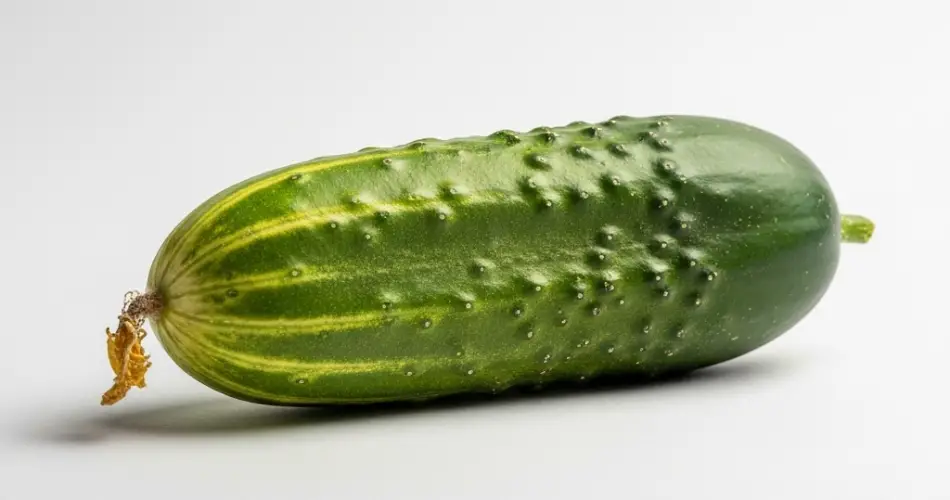
Cucumbers are a rewarding and relatively simple crop to grow at home, even if you have limited space. While they are known more for their fruits than for their blooms, understanding how to properly harvest cucumbers can indirectly help the plant maintain vigorous growth and continuous flowering—keeping the plant healthy and productive throughout its season.
If you want to keep your cucumber plants vibrant and blooming as long as possible, proper harvesting is key. This guide will walk you through choosing the right varieties, harvesting correctly, and managing the plant to encourage continuous growth and health.
Choose the Right Variety for Long-Term Success
When growing cucumbers with the goal of sustaining healthy vines and ongoing blooming, the variety you select matters. Look for varieties that are:
-
Compact or bush-type, if you have limited space.
-
Parthenocarpic, which means they don’t require pollination to produce fruit—great for indoor or greenhouse setups.
-
Known for prolonged productivity, such as ‘Marketmore 76’, ‘Bush Champion’, or ‘Salad Bush’.
These cultivars are more likely to keep producing with minimal stress and are easier to manage in container or small garden setups.
Maximize Blooming Potential with Proper Plant Care
To ensure vibrant growth and continuous flowering, cucumbers need:
-
Full sun: At least 6 to 8 hours of direct light daily.
-
Rich, well-draining soil: A potting mix enriched with compost or organic matter.
-
Consistent watering: Cucumbers need steady moisture but dislike soggy conditions. Water deeply when the top inch of soil feels dry.
-
Support structures: Use trellises or stakes to help vines climb, which increases airflow, improves sun exposure, and supports more blooms.
Adding a layer of mulch around the base of the plant helps retain moisture and suppress weeds that compete for nutrients.
Fertilize for Flowers and Fruit
Fertilization plays a major role in bloom production. Start with a balanced fertilizer (10-10-10) during early growth. Once the plant begins to flower, shift to a formula higher in potassium and phosphorus, like a 5-10-10, to encourage blooming and fruiting.
Apply fertilizer every 2–3 weeks, being careful not to overdo it. Too much nitrogen leads to lush foliage but fewer flowers and fruits.
Understand the Importance of Timely Harvesting
Leaving cucumbers on the vine too long can hinder the plant’s energy and limit its ability to produce new flowers. When fruits over-mature, the plant naturally slows down bloom production, thinking its job is done. To avoid this:
-
Harvest regularly to encourage the plant to continue flowering.
-
Pick cucumbers while they are still firm, dark green, and smooth-skinned.
-
Most varieties are ready at 6–8 inches long, though this may vary depending on the type.
Frequent harvesting sends a signal to the plant to keep producing flowers and setting new fruit.
Harvesting the Right Way
To properly harvest cucumbers without damaging the plant:
-
Use clean, sharp scissors or pruning shears.
-
Cut the stem about ½ inch above the fruit to avoid stressing the vine.
-
Avoid pulling or twisting, as this can damage the stem or surrounding blooms.
Inspect your plants every 2–3 days once they begin fruiting, especially during peak growing season.
Encourage Re-Blooming with Gentle Pruning
As the season progresses, your cucumber plant may develop older, yellowing leaves that block light and airflow. Trim these back carefully, especially around the base and inner parts of the plant, to redirect energy to flower and fruit production.
Also:
-
Remove any deformed or rotting fruit.
-
Pinch back aggressive side shoots on very vigorous vines to help maintain manageable growth and focus energy on blooming.
Boost Indoor and Off-Season Blooms
While cucumbers are typically a summer crop, you can enjoy them longer indoors or in a greenhouse with the help of grow lights and controlled temperature. For indoor setups:
-
Maintain temperatures around 70–85°F (21–29°C).
-
Use full-spectrum LED grow lights for 12–14 hours daily.
-
Hand-pollinate flowers using a soft brush to transfer pollen between male and female blooms.
With these adjustments, your plants can continue to bloom and fruit well into the cooler months.
Troubleshooting Bloom Problems
-
No flowers? The plant might not be mature enough or is receiving too much nitrogen.
-
Lots of male flowers but no fruit? Be patient—female flowers often appear a few days later.
-
Poor fruit set indoors? Hand-pollination may be necessary.
-
Yellowing leaves or wilting? Check for overwatering, poor drainage, or pests like spider mites or aphids.
Conclusion
Harvesting cucumbers the right way doesn’t just ensure a steady supply of crisp, delicious fruit—it also keeps your plant vigorous and blooming. By choosing the right variety, maintaining good care habits, and staying on top of harvesting, you can keep your cucumber plant vibrant and productive all season long—even extending its life indoors or under lights.
With these simple strategies, even small-space gardeners can enjoy healthy cucumber plants that thrive and flower continuously.


