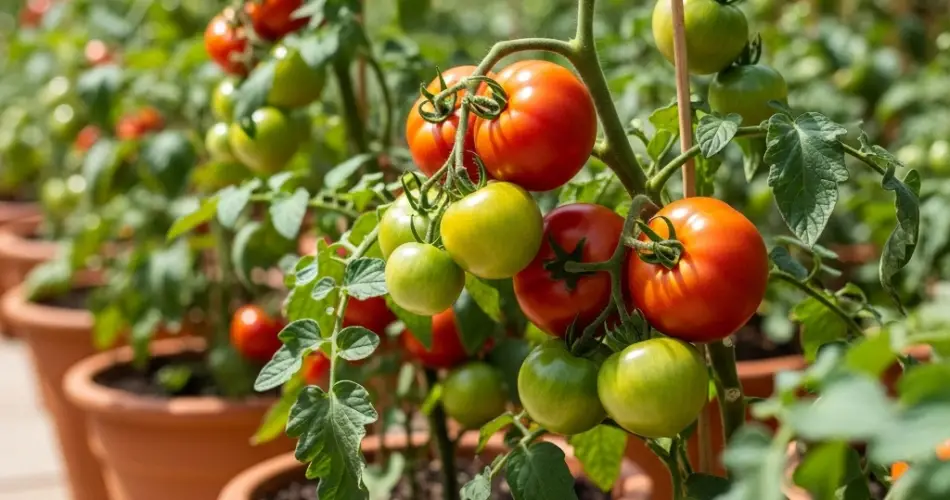
Tomatoes are one of the most rewarding crops to grow at home. They’re juicy, flavorful, and versatile in the kitchen. But what if you don’t have access to good soil—or any soil at all? The good news is that tomatoes can thrive in a soil-free environment using simple, container-based methods. With the right setup, you can enjoy homegrown tomatoes on balconies, patios, or even indoors.
This guide will walk you through growing tomatoes in pots without any soil, using hydroponic or semi-hydroponic techniques that are easy and affordable for beginners.
Why Grow Tomatoes Without Soil?
Soil-free gardening offers many advantages:
-
Clean and mess-free: No dirt, mud, or weeding required.
-
Fewer pests and diseases: Soil often harbors pests and fungi; removing it reduces these risks.
-
Faster growth: When done properly, hydroponic tomatoes grow faster and yield more.
-
Compact and efficient: Ideal for small spaces, balconies, or apartments.
What You’ll Need
To grow tomatoes in pots without soil, you’ll need the following:
-
A large container (minimum 15-20 liters): A plastic bucket or grow bag works well.
-
Inert growing medium: Options include coconut coir, perlite, vermiculite, or LECA (lightweight expanded clay aggregate).
-
Tomato seedling: Choose a compact or determinate variety for container growing.
-
Water reservoir or tray: To catch and reuse nutrient solution.
-
Liquid fertilizer: A water-soluble fertilizer designed for tomatoes or vegetables.
-
Support structure: Tomato cages or wooden stakes to support the plant as it grows.
-
Optional: air pump and water pump (for advanced hydroponic setups)
Choosing a Growing Method
There are a few popular soil-free methods to choose from:
1. Passive Hydroponics (Kratky Method)
This method is ideal for beginners. The plant is suspended over a nutrient solution in a container, and the roots absorb water and nutrients passively.
-
Place the tomato seedling in a net pot filled with clay pebbles or coconut coir.
-
Suspend the net pot over a container filled with nutrient solution.
-
Leave a gap between the bottom of the pot and the liquid to allow roots to breathe.
2. Wicking System
In this method, a wick (such as cotton or felt) draws water from a reservoir into the growing medium.
-
Fill the container with coconut coir or perlite.
-
Insert a wick from the bottom of the pot into the water reservoir.
-
The wick keeps the medium moist and delivers nutrients gradually.
3. Drain-to-Waste with Inert Media
A simple technique where plants are watered manually with a nutrient solution, and excess liquid drains out.
-
Use a pot with drainage holes and fill it with perlite or vermiculite.
-
Water the plant with a diluted nutrient mix every 1–2 days.
-
Allow excess water to drain into a tray.
Planting the Tomatoes
-
Start with a healthy seedling or germinate seeds in water-soaked cotton or paper towels.
-
Transplant the seedling into your chosen container with inert media.
-
Position the plant where it gets at least 6-8 hours of sunlight daily or under a grow light.
-
Secure the plant with a small stake or cage as it grows.
Feeding and Watering
Since there is no soil to provide nutrients, you must feed the plant regularly using a liquid fertilizer. Look for a balanced N-P-K formula (like 10-10-10 or 5-10-5).
-
Mix the fertilizer into water according to label instructions.
-
Feed the plant every 2–3 days or as needed, depending on your system.
-
Monitor the pH of your solution—ideal levels for tomatoes are between 5.8 and 6.5.
Supporting Growth
Tomatoes can get top-heavy as they fruit, so make sure to:
-
Add stakes, cages, or strings early on.
-
Prune side shoots to maintain a manageable size and direct energy to the main stem.
-
Pollinate manually if grown indoors. Lightly shake the flowers or use a soft brush to move pollen.
Troubleshooting Common Issues
-
Yellowing leaves: Often a sign of nutrient deficiency or pH imbalance.
-
Wilting: May be due to lack of oxygen in the roots or insufficient watering.
-
Blossom end rot: Caused by calcium deficiency—ensure your fertilizer contains calcium or add a calcium supplement.
Harvesting
Tomatoes typically take 60–80 days from transplanting to harvest, depending on the variety. Pick the fruits when they are fully colored and slightly soft to the touch.
Final Thoughts
Growing tomatoes in pots without soil is not only possible—it’s efficient, clean, and ideal for urban gardeners. With a little care and consistent feeding, you can enjoy a steady supply of fresh, juicy tomatoes straight from your balcony or kitchen window. Whether you use a simple wick system or explore hydroponics, soil-free growing opens up new possibilities for delicious homegrown produce in even the smallest of spaces.


