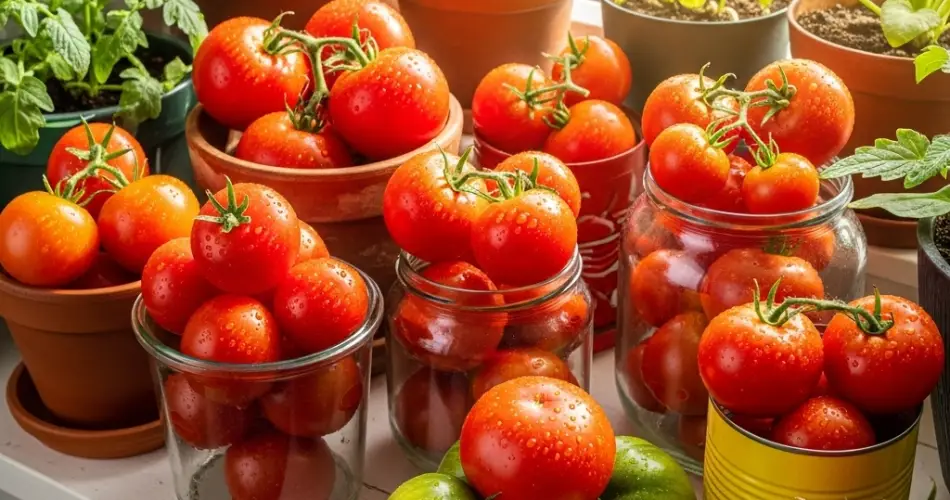
If you’ve ever dreamed of picking juicy, sun-ripened tomatoes straight from your own plants but don’t have a garden, don’t worry — you can grow delicious tomatoes right on your windowsill. With the right container, sunlight, and care, it’s entirely possible to harvest flavorful cherry or mini tomatoes indoors. Here’s how to do it, step by step.
1. Choose the Right Tomato Variety
Not all tomato plants are well-suited for indoor growing, especially on a windowsill. For best results, choose compact or dwarf varieties, such as:
-
Tiny Tim
-
Balcony Red
-
Red Robin
-
Micro Tom
-
Patio Princess
These varieties stay small, grow well in containers, and still produce plenty of fruit. Cherry or grape tomatoes are especially ideal, as they mature quickly and don’t require as much space.
2. Select a Suitable Container
Tomatoes need room for their roots to grow. Choose a container that holds at least 2–3 gallons (8–12 liters) of soil. It should be about 10–12 inches deep and have drainage holes at the bottom.
You can use plastic pots, clay pots, grow bags, or even recycled containers as long as they provide enough space and drainage.
To protect your windowsill or floor from water runoff, place a saucer or tray beneath the container.
3. Use Quality Potting Mix
Don’t use regular garden soil, as it’s too dense and may carry pests. Instead, choose a lightweight, well-draining potting mix formulated for vegetables or indoor plants.
For extra nutrition and aeration, you can mix in a handful of compost or worm castings and perlite. Tomatoes are heavy feeders, so starting with nutrient-rich soil gives them a solid foundation.
4. Provide Plenty of Sunlight
Tomatoes love the sun — they need at least 6 to 8 hours of direct sunlight per day. A south-facing window is ideal. East- or west-facing windows may work too, but you may need to rotate the plant to ensure even exposure.
If your windows don’t get enough sunlight, consider using a full-spectrum grow light. Keep it on for 12–16 hours a day to mimic natural daylight and prevent leggy growth.
5. Start from Seed or Seedling
You can start tomato plants from seeds indoors 6–8 weeks before the last frost or buy young seedlings from a nursery.
If starting from seed:
-
Plant seeds in seed-starting trays or small pots.
-
Keep the soil moist and warm (70–80°F or 21–27°C).
-
Once seedlings develop two sets of true leaves, transplant them into their final containers.
If using seedlings:
Gently remove them from their nursery pots, place them into your container with fresh potting mix, and water well.
6. Water Regularly and Evenly
Tomatoes don’t like to dry out completely, but they also dislike soggy soil. Check the top inch of soil daily — if it feels dry, it’s time to water.
Use room-temperature water and pour it gently at the base of the plant. Avoid splashing the leaves, as this can encourage disease.
During hot or sunny days, indoor containers may dry out quickly, so you may need to water more frequently.
7. Fertilize for Healthy Growth
Tomatoes are nutrient-hungry. Begin fertilizing once the plant has several sets of leaves. Use a balanced liquid fertilizer or one formulated for tomatoes, applying every 10–14 days.
Once flowers appear, switch to a fertilizer with higher potassium to support fruit production.
8. Support the Plant
Even compact varieties can become top-heavy once they start fruiting. Provide gentle support using small stakes, bamboo sticks, or a mini tomato cage. Tie the stems loosely with soft plant ties or string.
This prevents the plant from bending or breaking under the weight of the tomatoes.
9. Pollinate the Flowers
Indoors, there are no bees or wind to help with pollination. When flowers appear, gently shake the plant or tap the flower clusters with your finger once a day. This helps distribute pollen and increases the chance of fruit set.
You can also use a small paintbrush to transfer pollen between flowers if you want to be more precise.
10. Watch for Pests and Problems
While indoor tomatoes face fewer pests than garden plants, you might still encounter aphids, whiteflies, or fungus gnats. Check the leaves regularly and treat infestations early with neem oil, insecticidal soap, or sticky traps.
Also, watch for signs of stress such as yellowing leaves or blossom-end rot, which can result from inconsistent watering or calcium deficiency.
11. Harvest and Enjoy
Once your tomatoes are fully colored and slightly soft to the touch, they’re ready to pick. Harvesting regularly encourages the plant to produce more fruit.
Enjoy them fresh, in salads, on toast, or straight from the vine — nothing beats the taste of homegrown tomatoes.
Final Thoughts
Growing tomatoes on your sunny windowsill is easier than you might think. With the right variety, a sunny spot, and consistent care, you’ll be rewarded with fresh, flavorful tomatoes right from your own indoor garden. It’s a simple and satisfying way to bring a taste of summer into your home all year long.


