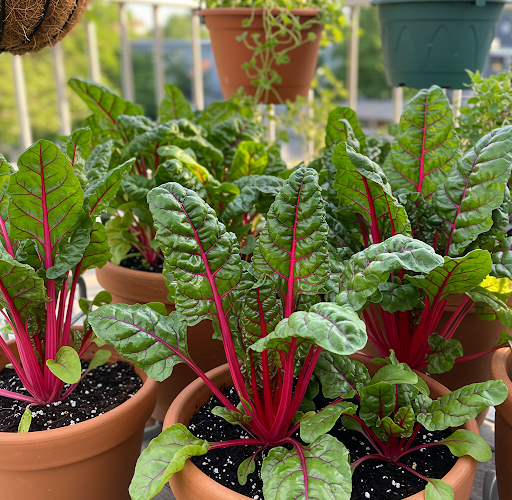
Swiss chard is a vibrant, nutritious leafy green that can be grown easily in both containers and garden beds. With its colorful stems and hearty leaves, Swiss chard adds beauty and a nutritional boost to your garden. Whether you’re a seasoned gardener or a beginner, growing Swiss chard from seed is straightforward and rewarding.
In this guide, we’ll cover everything you need to know to successfully grow Swiss chard from seed, including selecting the right variety, preparing the soil, sowing seeds, and caring for the plants in both containers and garden beds.
1. Choosing the Right Swiss Chard Variety
Swiss chard comes in a variety of types, each with slightly different characteristics. While all varieties are nutrient-dense, some are better suited for certain growing conditions or aesthetic preferences.
Popular Swiss Chard varieties:
-
‘Rainbow Chard’: Features colorful stems in shades of red, orange, yellow, and white. It’s an attractive addition to any garden and offers a mild flavor.
-
‘Fordhook Giant’: Known for its large, dark green leaves and thick white stems. This variety is perfect for those who prefer a more traditional look and flavor.
-
‘Bright Lights’: A vibrant variety with rainbow-colored stems and tender, flavorful leaves. It’s a great option for gardeners who want a visually stunning plant.
Choose a variety based on your climate, space, and the look you want to achieve in your garden or container.
2. Preparing the Soil
Swiss chard grows best in rich, well-draining soil that is slightly acidic to neutral (pH 6.0 to 7.0). Whether planting in containers or garden beds, it’s important to ensure the soil is fertile and nutrient-dense.
Soil preparation:
-
In garden beds: Loosen the soil to a depth of 12 inches and mix in organic compost or well-rotted manure. This will provide the necessary nutrients for healthy chard growth.
-
In containers: Use a high-quality potting mix that is lightweight and well-draining. You can also mix in some compost or organic matter for added nutrients.
Swiss chard requires a soil temperature of at least 50°F (10°C) to germinate and thrive, so make sure the soil is warm enough before planting.
3. Sowing Swiss Chard Seeds
Swiss chard seeds are relatively large and easy to handle, making them perfect for beginner gardeners. Whether planting in a garden bed or container, sow the seeds directly into the soil.
Sowing instructions:
-
Plant seeds about 1 inch deep. Space them 2-3 inches apart for a more spread-out planting, or closer together if you prefer to thin them later.
-
After planting, water the soil gently to keep it moist but not waterlogged.
-
Place the container or garden bed in a sunny location, as Swiss chard requires at least 6 hours of sunlight per day to grow properly.
Swiss chard seeds generally germinate within 7-14 days, depending on the soil temperature. If you’re planting in garden beds, space rows about 12-18 inches apart to allow the plants enough room to grow.
4. Thinning Seedlings
Once your Swiss chard seedlings are a few inches tall, thin them to give the remaining plants enough space to grow. Thinning prevents overcrowding and promotes better airflow, reducing the risk of disease.
Thinning tips:
-
Thin seedlings to 6-8 inches apart to give each plant enough room for its roots and leaves to expand.
-
If you want to harvest baby leaves, you can leave them closer together but still ensure good airflow.
Thinning allows the healthiest plants to thrive and encourages larger, more robust Swiss chard.
5. Watering and Fertilizing
Swiss chard is a relatively low-maintenance plant, but it does require consistent moisture to grow well. Keep the soil evenly moist, especially during dry spells, but avoid waterlogging, as this can lead to root rot.
Watering tips:
-
Water deeply at the base of the plant to ensure the roots are getting enough moisture.
-
Avoid getting the leaves wet, as wet foliage can promote fungal diseases like mildew.
-
If you’re growing in containers, make sure the pots have drainage holes to allow excess water to escape.
Fertilizing:
-
Swiss chard is a heavy feeder and benefits from regular feeding. Use an organic balanced fertilizer or compost every 3-4 weeks to provide nutrients.
-
If you’re growing Swiss chard in containers, make sure to fertilize more often, as container soil tends to lose nutrients more quickly.
6. Pests and Disease Management
Swiss chard is generally pest-resistant, but it can still be affected by common garden pests like aphids, cabbage worms, or leaf miners. To manage pests, use organic pest control methods or handpick any visible insects.
Pest control:
-
Aphids: These pests can be removed by spraying the leaves with a mixture of water and mild soap or using insecticidal soap.
-
Cabbage worms and leaf miners: Remove damaged leaves and dispose of them to prevent the pests from spreading.
-
Consider using row covers to protect your plants from pests without resorting to chemicals.
To prevent disease, avoid overhead watering, which can encourage fungal issues like powdery mildew.
7. Harvesting Swiss Chard
One of the best things about Swiss chard is its ability to be harvested at multiple stages. You can harvest young, tender leaves for baby greens or wait until the leaves are larger for more mature plants.
Harvesting tips:
-
For baby leaves, begin harvesting once the outer leaves reach 3-4 inches long. Cut the outer leaves near the base, leaving the inner leaves to continue growing.
-
For larger leaves, wait until they reach 6-8 inches in length. Always cut the leaves from the outside of the plant to encourage new growth from the center.
-
Regular harvesting encourages the plant to produce more leaves, ensuring a continuous supply of fresh greens.
8. Final Tips for Growing Swiss Chard
-
Temperature: Swiss chard grows best in cool weather but can tolerate some heat. If you live in a hot climate, consider planting Swiss chard in the spring or fall to avoid summer heat.
-
Companion planting: Swiss chard grows well alongside other leafy greens like spinach and lettuce, as well as herbs like basil and dill.
-
Rotate crops: To prevent soil depletion and reduce the risk of disease, practice crop rotation each season.
Conclusion
Growing Swiss chard from seed is an easy and rewarding gardening project, whether in containers or garden beds. By following these simple steps, you can enjoy fresh, nutrient-dense Swiss chard in your meals all season long. With the right care and attention, you’ll be able to harvest a bountiful crop of colorful, flavorful greens to add to your salads, stir-fries, soups, and more.


