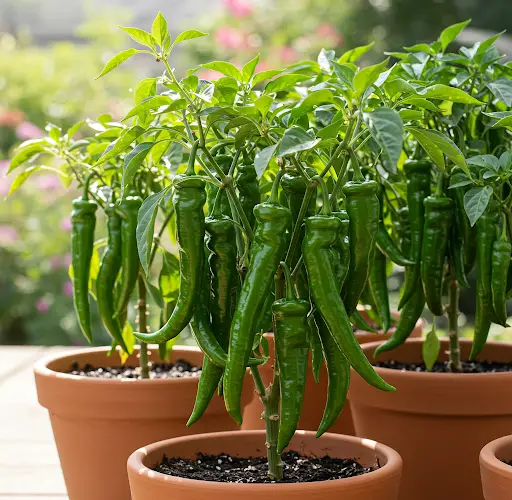
Sweet banana peppers are a favorite among home gardeners for their mild flavor, crisp texture, and versatility in the kitchen. These golden-yellow, slender fruits are excellent for fresh snacking, pickling, stuffing, or grilling—and the best part is, you don’t need a big garden to grow them. With the right care and a sunny spot, you can successfully grow sweet banana peppers from seed in containers right at home.
This guide walks you through the entire process, from seed to harvest, with simple steps to ensure a bountiful crop.
Why Grow Sweet Banana Peppers in Containers?
Growing banana peppers in containers offers several advantages:
-
Space-saving – Ideal for balconies, patios, and small yards
-
Easy mobility – Move plants for optimal sunlight or protection from extreme weather
-
Pest control – Easier to monitor and manage common garden pests
-
Controlled environment – Better soil quality and drainage
Container gardening is especially useful for beginners or those with limited ground space. Plus, peppers thrive in warm, sunny conditions that are easy to replicate in pots.
When to Start Sweet Banana Pepper Seeds
Start your seeds indoors 8 to 10 weeks before the last expected frost in your area. Peppers are warm-season vegetables and require consistently warm temperatures to germinate and grow well.
Once seedlings are strong enough and the weather has warmed, you can transplant them into outdoor containers.
What You’ll Need
-
Sweet banana pepper seeds
-
Seed-starting trays or small containers
-
Seed-starting mix (light and well-draining)
-
Containers or grow bags (at least 3–5 gallons in size)
-
Compost or potting mix for transplanting
-
Grow lights or a bright window
-
Watering can or spray bottle
-
Fertilizer (balanced or pepper-specific)
How to Grow Sweet Banana Peppers from Seed: Step-by-Step
1. Start Seeds Indoors
Fill seed-starting trays with moistened, sterile seed-starting mix. Plant seeds about ¼ inch deep and lightly cover with soil. Mist gently with a spray bottle to keep the mix moist without waterlogging.
Place the trays in a warm spot (75–85°F or 24–29°C) to encourage germination. Use a heat mat if necessary. Seeds typically germinate in 7–14 days.
2. Provide Light
Once seedlings emerge, place them under grow lights or in a sunny window. They need 14–16 hours of bright light per day. If the seedlings appear leggy, they’re likely not receiving enough light.
Keep the soil evenly moist, and avoid overwatering. Once seedlings develop their first true leaves, you can start feeding them with a diluted liquid fertilizer every 2 weeks.
3. Transplant into Larger Pots
When the seedlings are 4–6 inches tall and outdoor temperatures are consistently above 60°F (16°C), it’s time to transplant. Use a container that’s at least 12 inches deep and wide, ideally 3–5 gallons in volume, with good drainage holes.
Fill the container with a quality potting mix enriched with compost or slow-release fertilizer. Transplant seedlings carefully, keeping the root ball intact.
Water thoroughly after transplanting and place the container in a location with full sun—banana peppers need 6–8 hours of sunlight daily.
Ongoing Care for Sweet Banana Peppers in Containers
Sunlight
Banana peppers thrive in warm temperatures and full sun. Place containers in the sunniest spot available—ideally a south-facing location.
Watering
Keep the soil consistently moist but never soggy. Water deeply when the top inch of soil feels dry. Container plants may need more frequent watering, especially in hot weather.
Fertilizing
Feed the plants every 2–3 weeks with a balanced liquid fertilizer, or use a slow-release granular type at planting time. Peppers are heavy feeders, especially during flowering and fruiting.
Support
As the plants grow and begin to fruit, they may need staking or cage support to prevent bending or breaking under the weight of the peppers.
Pruning (Optional)
Pinching off the top growing tip when the plant is 6–8 inches tall can encourage bushier growth. Remove any lower leaves that touch the soil to prevent disease.
Harvesting Sweet Banana Peppers
Sweet banana peppers can be harvested when they’re 6–8 inches long and pale yellow. They can also be left to mature into orange or red shades for a sweeter, fuller flavor.
Use scissors or garden shears to cut the peppers off the plant, leaving a short stem attached. Avoid pulling by hand to prevent damage.
Regular harvesting encourages more fruit production, so pick frequently once the plants start producing.
Pests and Problems
-
Aphids and whiteflies – Spray with insecticidal soap or neem oil if infestations appear.
-
Blossom drop – May be caused by extreme temperatures or inconsistent watering. Keep conditions stable.
-
Slow growth – Usually due to insufficient warmth or light. Ensure warm temperatures and 6–8 hours of sun.
Conclusion
Growing sweet banana peppers from seed in containers is a straightforward and satisfying project. With just a bit of planning and consistent care, you can enjoy a generous harvest of crisp, flavorful peppers—even if you’re gardening on a balcony or patio. Whether you use them fresh, stuffed, or pickled, homegrown banana peppers add a delicious touch to any meal.


