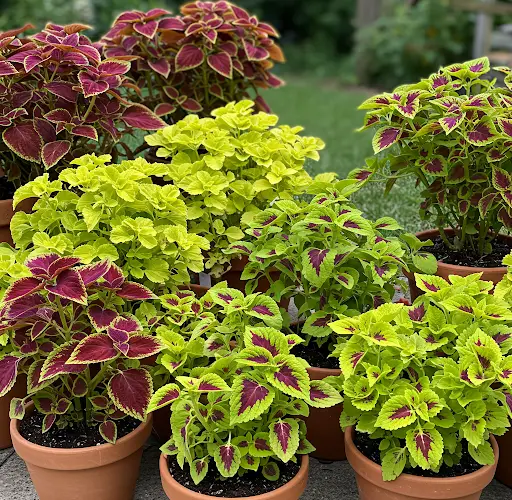
Coleus is a popular ornamental plant admired for its vibrant, colorful foliage rather than its flowers. With an incredible variety of leaf shapes, sizes, and colors—from deep purples to neon greens—coleus can add a stunning splash of color to your garden, containers, or indoor plant collection. Fortunately, growing coleus from seed is a simple and cost-effective way to enjoy a wide array of beautiful varieties.
This guide will walk you through the step-by-step process of growing coleus from seed, whether you’re an experienced gardener or just starting out.
Why Grow Coleus from Seed?
While coleus is widely available in nurseries as young plants, starting them from seed offers several benefits:
-
Greater variety – Access to a broader range of colors and leaf patterns.
-
Cost savings – Seeds are more economical than buying multiple potted plants.
-
Custom growth – Grow exactly the number of plants you want, when and where you want.
With just a bit of care and patience, you can grow dozens of beautiful coleus plants from a single seed packet.
When to Start Coleus Seeds
Coleus is a warm-season plant that’s sensitive to frost. Start seeds indoors about 8–10 weeks before the last expected frost in your region. This gives the seedlings enough time to mature before being transplanted outdoors in spring.
What You’ll Need
-
Coleus seeds
-
Seed-starting trays or shallow containers
-
Clear plastic dome or plastic wrap (for humidity)
-
Seed-starting mix (light and well-draining)
-
Spray bottle or gentle watering can
-
Grow lights or a bright window
-
Pots or garden space for transplanting
Step-by-Step Guide to Growing Coleus from Seed
1. Prepare Your Seed Tray
Fill your seed-starting tray or shallow container with moistened seed-starting mix. Coleus prefers light, airy soil that retains some moisture but drains well.
2. Sow the Seeds
Coleus seeds are tiny and should not be buried. Simply sprinkle the seeds on the surface of the soil and gently press them down to ensure contact with the soil. Do not cover them, as they require light to germinate.
Mist the surface lightly with a spray bottle to keep it moist without disturbing the seeds.
3. Create a Humid Environment
Cover the tray with a plastic dome or plastic wrap to retain humidity and warmth. Place the tray in a warm location, ideally between 70–75°F (21–24°C). Light is crucial, so place the tray near a bright window or under grow lights for 14–16 hours daily.
Germination and Seedling Care
Coleus seeds typically germinate within 7–14 days. As soon as the seedlings emerge, remove the plastic cover and ensure they receive plenty of bright, indirect light. If seedlings start leaning or stretching, they may not be getting enough light—adjust their position or move grow lights closer.
Water gently as needed to keep the soil slightly moist but not soggy.
Thinning and Potting Up
When the seedlings have developed two sets of true leaves, thin them by snipping the weaker ones at the soil line, leaving the strongest. Once they are about 2–3 inches tall and have a healthy root system, transplant them into small individual pots to continue growing indoors.
Hardening Off and Transplanting Outdoors
Before planting outdoors, harden off your coleus seedlings. Gradually expose them to outdoor conditions over a 7–10 day period. Start by placing them in a shaded, sheltered spot for a couple of hours and gradually increase their time outside and light exposure.
Once the weather is reliably warm (after all risk of frost), transplant your coleus into garden beds, borders, or containers. Space them 8–12 inches apart, depending on the variety and the desired fullness.
Growing Conditions and Ongoing Care
Light
Coleus thrives in partial shade, but newer varieties can tolerate more sun. In hot climates, provide afternoon shade to prevent leaf scorch. For indoor coleus, place them in a bright spot out of direct sunlight.
Water
Keep the soil consistently moist, especially during hot weather. Water when the top inch of soil feels dry. Avoid letting containers dry out completely.
Soil and Fertilizer
Plant coleus in well-draining, nutrient-rich soil. Apply a balanced liquid fertilizer every 2–3 weeks during the growing season to encourage lush growth.
Pinching and Pruning
To keep your coleus bushy and prevent legginess, pinch off the growing tips regularly. Removing the flower spikes when they appear will also help the plant focus energy on its foliage.
Growing Coleus Indoors
Coleus can thrive indoors year-round with enough light and warmth. Place them near a bright window or under grow lights. Avoid cold drafts and maintain moderate humidity to prevent leaf drop.
Common Issues
-
Leggy growth: Caused by insufficient light—move the plant to a brighter spot or use grow lights.
-
Leaf scorch: Happens in strong direct sun—move to partial shade.
-
Pests: Watch for aphids or whiteflies. Treat with insecticidal soap or neem oil if needed.
Conclusion
Coleus is an easy-to-grow, visually stunning plant that rewards you with vibrant, colorful foliage from spring through fall. Starting from seed gives you access to an exciting range of colors and patterns, all while saving money and expanding your gardening skills. With proper light, moisture, and care, your homegrown coleus plants will thrive and become a bold highlight in your garden or home.


