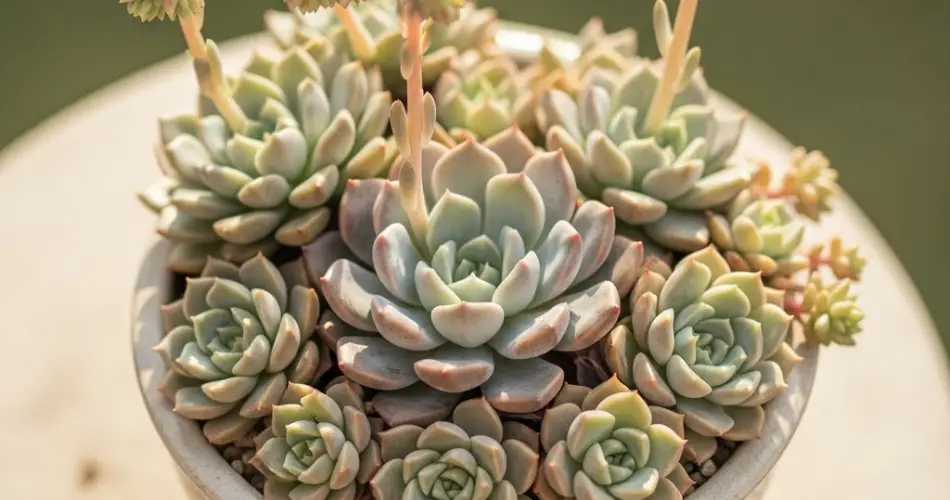
Succulents are beloved for their minimal maintenance, exotic looks, and resilience—but did you know you can grow them from seed? While many people opt to buy mature plants or propagate from cuttings, growing succulents from seed is not only economical but also deeply rewarding. With the right techniques, you can take your succulents from tiny seeds to eye-catching plants faster than you might expect.
If you’re ready to transform a handful of dust-like seeds into stunning, healthy succulents, here’s a complete guide to get you there efficiently and successfully.
Step 1: Choose the Right Seeds
Start with quality seeds. Since succulent seeds are extremely small and lightweight, buying from a trusted supplier is essential to ensure germination success.
Popular varieties for seed-growing include:
-
Echeveria – Known for colorful rosettes.
-
Aloe – Fast-growing and hardy.
-
Sedum – Low-maintenance and ideal for ground cover.
-
Lithops (living stones) – Fascinating and compact.
-
Crassula – Versatile and beginner-friendly.
Make sure the seeds are labeled with the species and harvest date, as freshness affects germination.
Step 2: Prepare the Growing Medium
Succulents need a sterile, well-draining medium to prevent rot and fungal infections during the delicate early stages.
Ideal mix:
-
50% fine cactus soil or potting mix
-
50% perlite, coarse sand, or pumice
You can sterilize the soil in your oven at 180°F (82°C) for about 30 minutes to kill off any pathogens. Let it cool completely before using.
Fill shallow seed trays or small pots with the mix, and moisten it with clean, filtered water using a spray bottle.
Step 3: Sow the Seeds
Succulent seeds don’t need to be buried deep. In fact, most varieties require light to germinate.
How to sow:
-
Gently sprinkle the seeds on the surface of the soil.
-
Do not cover them with soil—just press them lightly to ensure good contact.
-
Mist the surface again to secure the seeds in place.
Label your trays with the plant names and sowing date to track progress.
Step 4: Create the Ideal Germination Environment
To grow succulents quickly from seed, a controlled environment is key. This includes warmth, humidity, and light.
Conditions for faster germination:
-
Temperature: Maintain 70–80°F (21–27°C).
-
Humidity: Cover the tray with a clear plastic dome or cling wrap to create a mini greenhouse.
-
Light: Place in a bright area with indirect light or under a grow light for 12–14 hours daily.
Avoid placing trays in direct sunlight during germination, as it can overheat and dry out the soil too quickly.
Step 5: Water With Precision
Succulent seedlings are fragile and prone to damping off (a fungal disease). Overwatering is the most common mistake.
Watering tips:
-
Use a fine mist spray bottle to keep the topsoil lightly moist.
-
Avoid soaking the soil—light misting once or twice a day is enough.
-
Once germination occurs, gradually reduce humidity by lifting the plastic cover for longer periods each day.
After 2–3 weeks, when most seedlings are visible, you can remove the cover entirely.
Step 6: Transplant With Care
When your seedlings develop their second set of leaves and are about the size of a fingernail, it’s time to transplant them into individual containers.
Transplanting steps:
-
Use tweezers or a small spoon to gently lift each seedling.
-
Replant them into small pots with well-draining succulent mix.
-
Water sparingly and keep in indirect light for a few days as they adjust.
This step helps prevent overcrowding and encourages stronger root systems.
Step 7: Provide Optimal Growing Conditions
To get your succulents from small sprouts to stunning specimens in record time, focus on light, nutrients, and consistency.
Growth-boosting care:
-
Move them to a bright windowsill or use grow lights to ensure they get 6–8 hours of light daily.
-
Begin feeding monthly with a diluted succulent fertilizer once they’re a few months old.
-
Rotate pots weekly to ensure even growth and prevent leaning.
Make sure the soil dries out between waterings to avoid root rot.
Step 8: Know When to Expect Results
Depending on the variety, succulent seeds may take anywhere from 1 week to 3 months to germinate. Most types will reach decorative size in 4 to 6 months under ideal conditions.
Some, like echeveria, can bloom in their first year, while others take longer. Be patient and consistent, and your reward will be a thriving mini garden grown from scratch.
Conclusion
Growing succulents from seed is a fascinating journey that lets you witness every stage of their life cycle. While it requires more patience than buying mature plants, the satisfaction of seeing your seedlings flourish is unmatched. By focusing on optimal light, sterile conditions, and proper watering, you can speed up the process and enjoy vibrant, healthy succulents in record time.
Whether you’re growing them for home decor, gifting, or as a calming hobby, succulent seed-growing is an experience every plant enthusiast should try.


