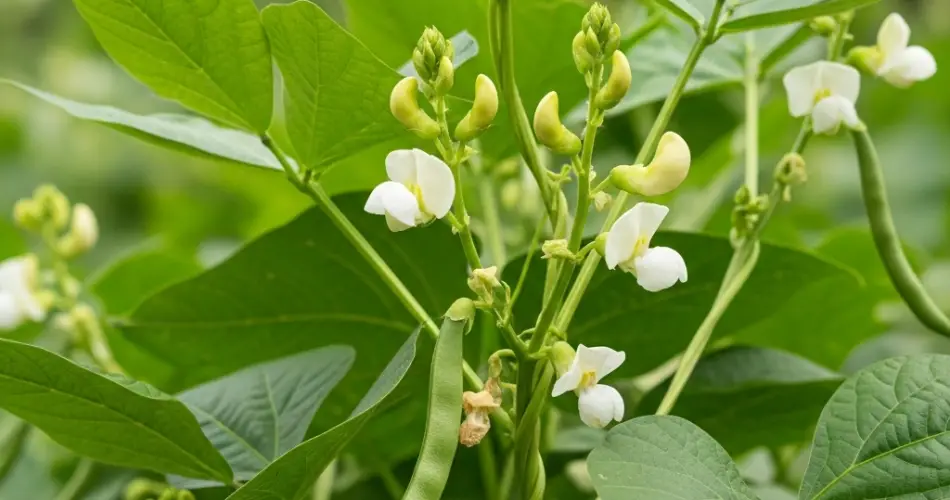
String beans, also known as green beans or snap beans, are a popular and easy-to-grow vegetable for home gardeners. Whether you have a spacious backyard or a few containers on a sunny patio, string beans can thrive with minimal effort and deliver a generous harvest in just a few months. They grow quickly, produce abundantly, and require very little maintenance, making them ideal for beginners and experienced gardeners alike.
This step-by-step guide will walk you through everything you need to know—from seed to harvest—to grow string beans successfully at home.
1. Understanding String Bean Types
Before planting, decide which type of string bean suits your space and needs:
-
Bush beans: Compact, low-growing plants that don’t require support. They mature quickly, usually within 50–60 days.
-
Pole beans: Tall, vining plants that need trellises or supports. They take longer to mature (60–70 days) but produce beans continuously over a longer period.
Bush beans are great for containers or small gardens, while pole beans are perfect for vertical gardening or larger garden beds.
2. When and Where to Plant
String beans are warm-season crops. Plant them after the last frost in spring, when soil temperatures have reached at least 60°F (15°C). Beans dislike cold, wet conditions and will not germinate well in chilly soil.
Choose a location that gets 6–8 hours of full sun daily. Beans grow best in loose, well-draining soil that is rich in organic matter. A slightly acidic to neutral soil pH (6.0 to 7.0) is ideal.
3. Preparing the Soil
To prepare the soil:
-
Loosen the top 8–10 inches using a garden fork or tiller.
-
Mix in compost or aged manure to improve fertility and drainage.
-
Avoid adding too much nitrogen-rich fertilizer, as this can lead to excessive leaf growth and fewer pods.
If you’re growing in containers, choose pots that are at least 8–10 inches deep and wide, and use a high-quality, well-draining potting mix.
4. Sowing the Seeds
String beans are best sown directly into the soil—transplanting is not recommended as they have delicate roots.
For bush beans:
-
Plant seeds 1 inch deep and 2–3 inches apart.
-
Space rows about 18–24 inches apart.
For pole beans:
-
Plant seeds 1 inch deep and 4–6 inches apart in rows or around supports.
-
Set up trellises, poles, or netting at planting time, as the vines will quickly begin to climb.
Water the soil gently after planting to help the seeds settle.
5. Caring for Your Plants
Beans are relatively low-maintenance, but they still need regular care:
-
Watering: Keep the soil evenly moist, especially during flowering and pod development. Water at the base to avoid wetting the leaves and reduce the risk of disease.
-
Mulching: Apply a layer of mulch around the base to retain moisture, suppress weeds, and regulate soil temperature.
-
Weeding: Remove weeds carefully to avoid disturbing shallow roots.
-
Support: For pole beans, guide the vines up their supports as they grow.
Avoid disturbing the plants too much, as beans have fragile roots and stems that break easily.
6. Common Pests and Problems
String beans can face a few pests and diseases, including:
-
Aphids: Remove with a strong stream of water or use insecticidal soap.
-
Bean beetles: Handpick or use neem oil to deter them.
-
Fungal diseases: Prevent with proper spacing, good airflow, and by watering at the base.
Practice crop rotation each year to reduce disease buildup in the soil.
7. Harvesting Your Beans
Bush beans are usually ready to harvest 50–60 days after planting, while pole beans take 60–70 days. Harvest when the pods are firm, crisp, and about 4–6 inches long. They should snap easily when bent.
To harvest:
-
Use two hands—hold the plant with one hand and gently pull the pod with the other to avoid damaging the stem.
-
Pick regularly—every 2–3 days—to encourage more pod production.
Don’t let the pods become too mature on the plant, as this signals the plant to stop producing.
8. Storing and Enjoying the Harvest
Freshly picked string beans can be stored in the refrigerator for up to a week. To preserve them longer, blanch and freeze in airtight containers.
They’re delicious steamed, sautéed, roasted, or added to stir-fries, soups, and casseroles.
Final Thoughts
Growing string beans from seed to harvest is a rewarding and straightforward gardening experience. With a bit of sunshine, good soil, and regular care, you’ll be harvesting handfuls of crisp, flavorful beans in no time. Whether you grow them in a backyard plot, a raised bed, or a container on the balcony, string beans are a versatile and productive crop that can bring freshness to your kitchen and joy to your gardening routine.


