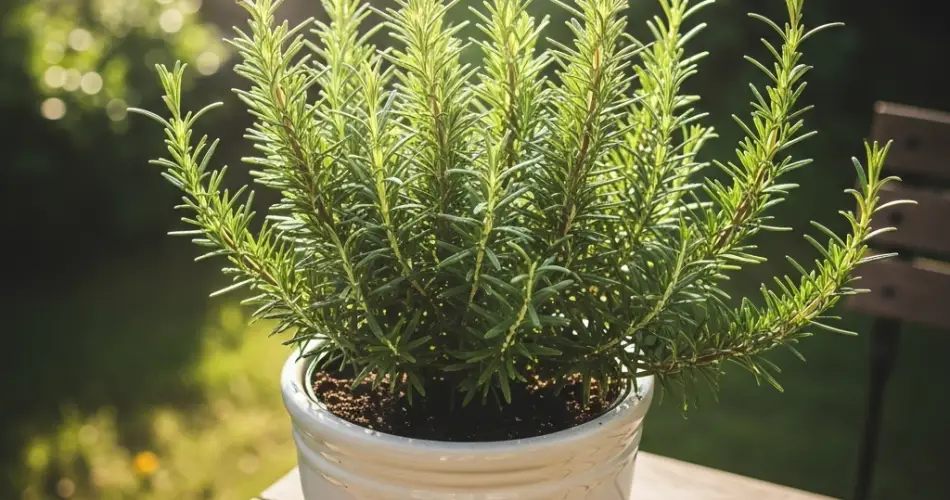
Growing rosemary in small spaces is not only possible, but also surprisingly easy with a few smart techniques. This aromatic herb is a favorite among home gardeners for its culinary uses and evergreen appeal. Even if you live in an apartment or have minimal outdoor access, you can still cultivate a healthy rosemary plant that thrives indoors or in a tight corner of your balcony. Here’s how to do it successfully from planting to harvesting.
Choosing the Right Variety for Small Spaces
When growing rosemary in a limited area, it’s important to select a variety that suits container cultivation. Upright types like ‘Tuscan Blue’ or ‘Blue Spires’ are ideal, as they grow vertically rather than spreading outward. These varieties are better suited for small pots or vertical garden setups.
Best Containers for Rosemary
Rosemary doesn’t like wet feet, so drainage is a priority. Use containers that are at least 8 to 12 inches deep and have multiple drainage holes. Terracotta pots are especially good because they allow excess moisture to evaporate through the walls of the pot, preventing root rot.
Place a layer of pebbles or coarse gravel at the bottom of the pot to enhance drainage. Use a well-draining potting mix, preferably one formulated for Mediterranean herbs or a blend of cactus soil and compost. This keeps the roots dry while still providing enough nutrients.
Positioning: Give It Full Sun
Rosemary thrives in bright, direct sunlight. If growing indoors, position the plant near a south- or west-facing window where it can get at least 6 to 8 hours of light each day. If natural sunlight is limited, consider supplementing with a grow light to ensure the plant stays healthy and productive.
Rotate the pot every few days so all sides of the plant receive even light exposure. This encourages balanced growth and prevents the plant from becoming leggy or leaning toward the light source.
Watering Rosemary Correctly
Overwatering is one of the most common mistakes when growing rosemary. This herb prefers to dry out between waterings. Stick your finger about an inch into the soil—if it feels dry, it’s time to water. If it still feels moist, wait a day or two and check again.
When watering, do so thoroughly until water drains out the bottom, then empty any excess from the saucer to prevent waterlogged roots. Avoid misting the leaves or keeping the air overly humid, as rosemary is native to dry climates.
Feeding for Strong Growth
Rosemary doesn’t need heavy feeding, but occasional fertilizing helps it stay vigorous. Feed the plant once a month during the growing season (spring to early fall) with a balanced liquid fertilizer diluted to half strength. Avoid over-fertilizing, as this can cause the plant to grow too fast and lose its signature aroma.
If you’re using compost-rich soil, you might not need additional feeding more than once every two months.
Pruning and Harvesting Tips
Regular pruning keeps rosemary compact and bushy, which is ideal for small spaces. Start pinching off the tips when the plant is about 6 inches tall to encourage branching. Remove any dead or weak stems, especially near the base, to keep airflow circulating through the plant.
Harvest by snipping off sprigs with sharp scissors or garden shears. Take no more than one-third of the plant at a time to avoid stressing it. Use the fresh sprigs immediately in your cooking, or dry them for future use.
Dealing with Common Problems
Though rosemary is hardy, indoor conditions can sometimes lead to pests like spider mites or aphids. If pests appear, spray the plant with a gentle solution of water and insecticidal soap. Good air circulation and proper watering will usually prevent these issues from arising in the first place.
Watch for signs of root rot—such as drooping, yellowing leaves—especially if the soil stays wet for long periods. Repotting the plant with fresh, dry soil can often save it.
Winter Care and Longevity
Rosemary is a perennial, meaning it can live for years if well cared for. During winter, growth may slow down. Reduce watering and move the plant away from cold drafts. If the air inside is too dry due to heating, use a small fan to keep air circulating instead of increasing humidity.
With proper care, your rosemary plant will not only survive but thrive year-round, offering you fresh herbs and fragrant greenery even in the smallest of spaces.
Whether you have a sunny kitchen windowsill or a compact balcony, growing rosemary is a great way to enjoy a useful and beautiful herb at home. By choosing the right pot, placing it in a sunny spot, and maintaining a light but steady care routine, you can cultivate a thriving rosemary plant even in the tiniest of homes.


