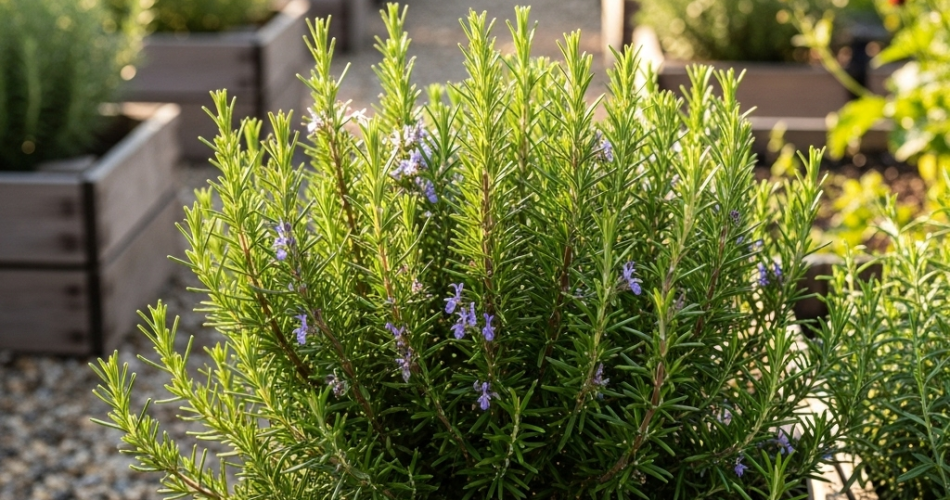
Rosemary is one of the most beloved herbs for both culinary and ornamental use. Known for its strong fragrance, needle-like leaves, and evergreen nature, rosemary can be used to season meats, vegetables, bread, and teas, while also serving as a natural air freshener for gardens and patios. Instead of purchasing new plants each season, you can easily grow rosemary from cuttings, which ensures a stronger, faster-growing plant compared to seeds. Growing rosemary in crate beds is a practical and stylish method that combines sustainability with convenience, perfect for small backyards, patios, and balconies.
Why Use a Crate Bed for Rosemary?
Crate beds are excellent for herbs like rosemary because they provide structure, portability, and proper drainage. Wooden crates can be repurposed from fruit or wine boxes, making them both eco-friendly and cost-effective. They allow for a controlled growing environment, preventing overly compact soil and promoting good root health. Crates also have a rustic aesthetic, making them both functional and decorative in a garden setting.
Since rosemary needs well-draining soil and plenty of airflow around its roots, crate beds are a near-perfect choice. They allow excess moisture to escape while keeping soil conditions balanced. Additionally, crate beds can be easily moved to sunnier spots or indoors during colder months, helping rosemary thrive year-round.
Materials You’ll Need
To get started, you will need:
-
A sturdy wooden crate, at least 10–12 inches deep
-
Landscape fabric or burlap for lining
-
Potting soil mixed with sand or perlite for drainage
-
Compost for light nutrients
-
Healthy rosemary cuttings (about 4–6 inches long)
-
Rooting hormone (optional, but useful for faster root growth)
-
Scissors or garden shears
Optional: Natural, non-toxic wood sealant for crate protection outdoors.
Preparing the Crate Bed
-
Choose the right crate – Look for one that is strong and deep enough to support the plant’s roots.
-
Line the interior – Use burlap, landscape fabric, or breathable cloth to hold soil while allowing drainage.
-
Add drainage holes – If the crate bottom is solid, drill several small holes.
-
Fill with soil mix – Combine potting soil with sand or perlite for better drainage, then mix in compost for nutrients.
Taking Rosemary Cuttings
Growing rosemary from cuttings is much quicker than starting from seeds. Here’s how to prepare cuttings properly:
-
Select healthy, non-flowering stems from an existing rosemary plant.
-
Cut a 4–6 inch piece just below a leaf node.
-
Strip the leaves off the lower half of the cutting, leaving the top intact.
-
Dip the cut end in rooting hormone powder (optional but helps stimulate root growth).
Planting Rosemary in the Crate
-
Insert cuttings – Push each cutting about 2–3 inches into the prepared soil. Space them about 6 inches apart.
-
Water lightly – Keep the soil moist but not soggy to encourage root development.
-
Provide sunlight – Place the crate in a location where it will receive at least 6–8 hours of direct sunlight daily.
-
Cover (optional) – For faster rooting, you can loosely cover the crate with a clear plastic dome or bag to retain humidity, but remove it once roots establish.
Caring for Rosemary in Crate Beds
Rosemary is relatively low-maintenance once established, but proper care ensures a healthy, productive plant.
-
Watering: Rosemary prefers slightly dry conditions. Allow the soil to dry out between watering, and avoid waterlogged roots.
-
Sunlight: Provide full sun for best growth. If indoors, place the crate near a south-facing window or supplement with a grow light.
-
Fertilizing: Use compost or a light application of organic fertilizer in spring. Overfeeding can reduce flavor.
-
Pruning: Regular trimming keeps rosemary bushy and prevents it from becoming too woody. Always prune above a leaf node to encourage branching.
Harvesting Rosemary
You can begin harvesting once the plant is well established and producing new growth. Snip sprigs as needed, cutting no more than one-third of the plant at a time. The best time to harvest is in the morning after dew has dried, when essential oils are at their strongest.
Fresh rosemary can be used immediately in cooking, infused into oils, or dried for long-term storage. To dry, tie small bundles and hang them upside down in a well-ventilated space. Once dry, strip the leaves and store them in airtight jars.
Advantages of Growing Rosemary in Crate Beds
-
Mobility: Easy to move for sunlight or protection during harsh weather.
-
Drainage: Prevents root rot, a common problem with rosemary.
-
Space-saving: Ideal for patios, balconies, or small backyards.
-
Eco-friendly: Makes use of repurposed wooden crates.
-
Aesthetic appeal: Adds rustic charm while serving practical use.
Conclusion
Growing rosemary from cuttings in crate beds is an efficient, eco-friendly way to enjoy this aromatic herb year-round. With just a few cuttings, soil, and a simple wooden crate, you can establish a thriving rosemary garden right at home. This method saves space, adds character to your outdoor or indoor area, and provides fresh herbs for cooking and household use. Rosemary’s resilience, combined with the convenience of crate gardening, makes it a rewarding choice for gardeners of all levels.


