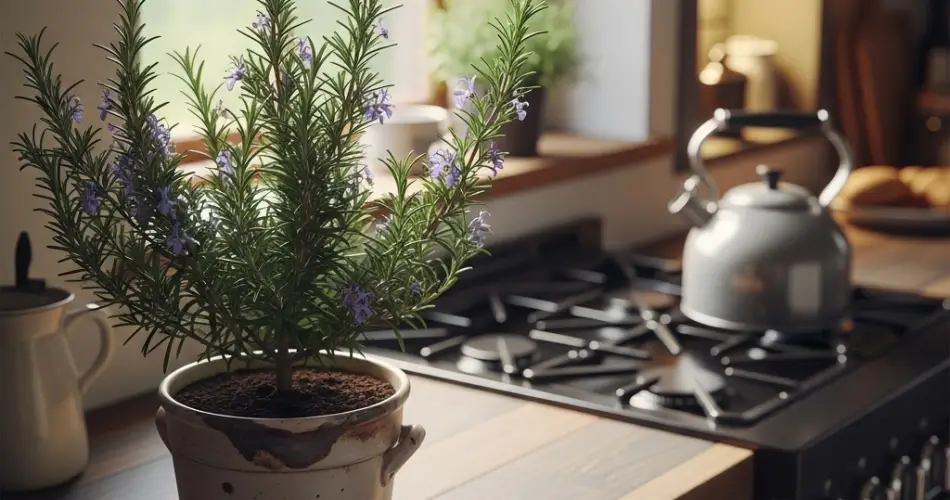
Rosemary is a wonderfully aromatic herb that adds flavor to a variety of dishes and brings a touch of nature indoors. Fortunately, you don’t need a large garden to enjoy fresh rosemary. With the right approach, you can successfully grow this Mediterranean herb even in a small apartment.
Whether you’re an experienced gardener or just starting out, growing rosemary in an apartment is easier than you might think. Here’s everything you need to know to keep your rosemary thriving in limited space.
1. Choosing the Right Variety
Not all rosemary plants are created equal. For small apartments, opt for a compact or upright variety such as ‘Blue Spires’, ‘Tuscan Blue’, or ‘Arp’. These types are more manageable indoors and better suited for container growth.
Creeping varieties, while attractive, tend to sprawl and take up more space, making them less ideal for compact living areas.
2. Container and Drainage
Rosemary hates soggy roots, so choosing the right container is crucial. Use a clay or terracotta pot with drainage holes to help wick away moisture from the soil. These materials also help prevent overwatering, one of the most common problems with indoor rosemary.
Start with a pot that is at least 6 to 8 inches in diameter. As the plant grows, you may need to repot it into a larger container to give the roots room to expand.
3. Ideal Soil Mix
Rosemary prefers well-draining soil with a slightly sandy texture. A cactus or succulent soil mix works well. Alternatively, you can make your own mix using two parts potting soil, one part sand or perlite, and one part compost.
Avoid rich, dense soil blends that retain too much water. The goal is to mimic rosemary’s native Mediterranean soil conditions.
4. Sunlight Needs
Rosemary loves light and warmth. Place your plant in the sunniest spot available, preferably near a south-facing window where it can receive at least 6–8 hours of direct sunlight per day.
If your apartment doesn’t get enough natural light, consider using a full-spectrum grow light. Position the light about 6 inches above the plant and run it for 12 to 16 hours daily to simulate natural sunlight.
5. Watering Guidelines
Rosemary is drought-tolerant, but it still needs water—just not too much. Water only when the top inch of the soil feels dry to the touch. When you do water, do so thoroughly, allowing excess water to drain out the bottom of the pot.
Avoid leaving the pot sitting in water, as this can cause root rot. During winter months or in cooler climates, reduce watering frequency, as the plant’s growth slows down.
6. Air Circulation and Humidity
Though rosemary thrives in warm, dry climates, it does need good air circulation to prevent mold and mildew. In tight apartment spaces, make sure not to crowd your plant with others. Use a small fan nearby if air feels stagnant.
Rosemary doesn’t require high humidity. In fact, excessive humidity can lead to fungal issues. Just be cautious during winter, as heaters can dry out the air. If you notice dry tips, lightly mist the plant or place a shallow dish of water nearby for some ambient moisture.
7. Feeding the Plant
Rosemary is not a heavy feeder. During the growing season (spring and summer), feed your plant once a month with a balanced liquid fertilizer diluted to half strength.
Avoid over-fertilizing, especially in fall and winter, when the plant’s growth naturally slows down. Too much fertilizer can cause leggy growth and reduce the intensity of the herb’s flavor and aroma.
8. Pruning and Harvesting
Regular pruning not only helps keep your rosemary plant compact and tidy, but it also encourages bushier growth. Trim back the stems every few weeks during the growing season, especially if the plant starts to look sparse or lanky.
When harvesting for cooking, snip off the top 2–3 inches of a stem, choosing newer growth. Avoid cutting more than one-third of the plant at a time to ensure it stays healthy and vigorous.
9. Overwintering Tips
If your apartment gets cold in the winter, keep your rosemary away from drafty windows and provide extra light if sunlight is scarce. While the plant can tolerate cooler temperatures, it’s sensitive to frost.
Make sure to reduce watering during the colder months and hold off on fertilizing until spring returns.
Final Thoughts
Growing rosemary in a small apartment is not only possible but deeply rewarding. With minimal space, a sunny windowsill, and the right care, you can enjoy the fresh aroma and flavor of homegrown rosemary year-round. Whether you use it for cooking, herbal remedies, or simply for its lovely scent, rosemary brings a bit of Mediterranean charm to any urban home.


