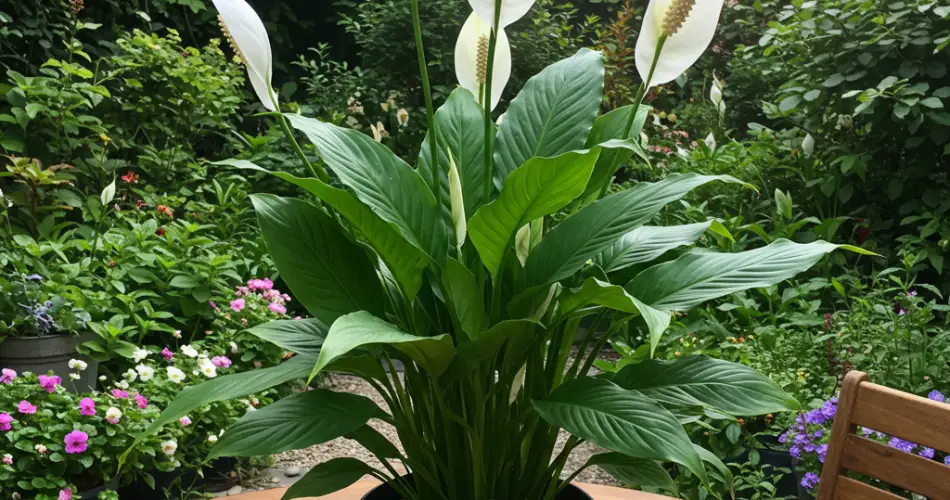
Peace lilies (Spathiphyllum) are among the most popular indoor plants—and for good reason. With their graceful white blooms, lush green leaves, and low-maintenance nature, they make a beautiful and calming addition to any room. Growing a peace lily in a pot is not only easy, but with a few expert tricks, you can keep yours looking lush and blooming like it was cared for by a professional gardener.
Here’s everything you need to know to successfully grow peace lilies in pots at home.
Why Peace Lilies Are Ideal for Pots
Peace lilies are naturally tropical plants, native to the rainforests of Central and South America. Their natural habitat is shaded forest floors, which makes them ideal houseplants since they thrive in lower light conditions.
They adapt well to container growing, purify indoor air, and add a touch of elegance with minimal care. Best of all, peace lilies actually tell you when they need attention—their leaves droop when thirsty, giving you a built-in watering reminder.
Choosing the Right Pot and Soil
To grow a peace lily like a pro, start by choosing the right container. Peace lilies prefer well-draining pots with one or more drainage holes at the bottom. Avoid pots without drainage, as standing water can quickly lead to root rot.
The pot size should be just slightly larger than the root ball—going too big too soon can cause the soil to stay wet too long and damage the roots.
Use a light, well-aerated potting mix. A peat-based indoor plant mix works well. You can also create your own blend using:
-
2 parts peat moss or coconut coir
-
1 part perlite or pumice for aeration
-
1 part compost or worm castings for nutrition
Avoid heavy garden soil, which compacts easily and retains too much water.
Where to Place Your Peace Lily
Peace lilies prefer indirect but bright light. While they can survive in low light, they may produce fewer flowers. For best results, place your peace lily near a north or east-facing window, or a few feet away from a brighter window with filtered light.
Avoid direct sun, which can scorch the leaves. Too much shade, on the other hand, will result in slow growth and fewer blooms.
Watering: The Most Common Mistake
Peace lilies like to stay evenly moist—but not soggy. Overwatering is one of the most common problems. A good rule of thumb is to water when the top inch of soil feels dry to the touch. In general, this means watering once a week, though frequency may vary based on indoor humidity, temperature, and pot size.
When watering:
-
Use room temperature, filtered or dechlorinated water.
-
Water thoroughly until it drains from the bottom.
-
Allow excess water to drain completely—don’t let the plant sit in standing water.
Peace lilies are sensitive to chemicals like chlorine and fluoride, which may cause leaf tips to turn brown. If possible, use distilled water or rainwater.
Fertilizing for Healthy Growth
To grow a peace lily that looks like it’s cared for by a pro, apply a balanced, water-soluble houseplant fertilizer every 6 to 8 weeks during the growing season (spring and summer). Dilute the fertilizer to half strength to avoid overfeeding.
Do not fertilize in fall or winter when growth naturally slows down. Excessive fertilizer can result in brown leaf tips or salt buildup in the soil.
Repotting and Maintenance
Peace lilies enjoy being a little root-bound, but every 1 to 2 years, they’ll outgrow their pots. When you see roots coming out of the drainage holes, or if the plant dries out very quickly after watering, it’s time to repot.
Steps to repot:
-
Choose a new pot 1–2 inches wider.
-
Gently loosen the root ball and remove dead roots.
-
Place the plant in fresh potting mix and water thoroughly.
Keep the leaves clean by wiping them with a damp cloth to remove dust, which also helps the plant breathe better and absorb light.
Remove any yellow or wilted leaves regularly to maintain appearance and promote airflow.
Encouraging Flowers
Peace lilies typically bloom in spring and sometimes again in summer. To encourage blooming:
-
Ensure it receives adequate bright, indirect light.
-
Avoid over-fertilizing.
-
Maintain consistent watering.
-
Keep temperatures between 65°F and 80°F (18°C to 27°C).
If your peace lily hasn’t bloomed in a while, it may need more light or a seasonal adjustment. Sometimes, slightly drier conditions during winter can trigger new flowers in spring.
Common Issues and Solutions
-
Drooping Leaves: Most often a sign of underwatering. If leaves perk up after watering, it’s nothing to worry about.
-
Yellow Leaves: Usually caused by overwatering or poor drainage.
-
Brown Leaf Tips: Often due to dry air, chemical-laden water, or too much fertilizer.
-
No Blooms: Likely from low light or excess nitrogen in fertilizer.
Most of these problems are easily solved with adjustments to watering, lighting, or potting practices.
Final Tips for Success
-
Peace lilies love humidity—consider misting the leaves or placing the pot on a humidity tray.
-
Rotate the pot occasionally for even growth.
-
Keep the plant away from cold drafts, heaters, or air conditioners.
With these expert tips and just a little care, your peace lily can thrive for many years, bringing elegance, tranquility, and fresh air to your indoor space. It’s one of the easiest and most rewarding houseplants to grow—perfect for gardeners at any level.


