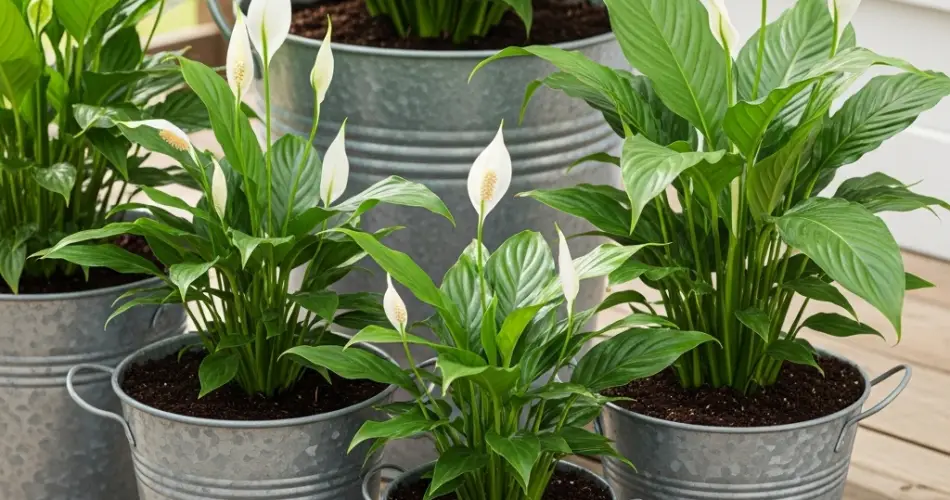
The Peace Lily (Spathiphyllum) is a popular indoor plant admired for its elegant white blooms and glossy green leaves. Known for its air-purifying qualities and ease of care, it’s an excellent choice for both novice and experienced gardeners. Growing a Peace Lily in a bucket can be a simple yet effective way to cultivate this beautiful plant, especially if you want to control its environment or lack traditional garden space.
Here’s a professional guide to growing Peace Lilies in buckets, ensuring you get lush foliage and lovely flowers year-round.
Why Grow Peace Lilies in Buckets?
Using buckets to grow Peace Lilies offers several advantages:
-
Mobility: Buckets can be easily moved to find the best light or protect the plant during extreme weather.
-
Control over soil and water: Growing in buckets allows you to manage soil quality, drainage, and watering precisely.
-
Space efficiency: Perfect for small spaces such as balconies, patios, or indoor corners.
-
Pest and disease management: Isolated plants in buckets reduce the risk of spreading pests and diseases.
Choosing the Right Bucket
Selecting an appropriate container is key to a healthy Peace Lily:
-
Size: Choose a bucket with a minimum capacity of 3 to 5 gallons (11 to 19 liters). Peace Lilies like room for their roots to expand.
-
Material: Plastic buckets are lightweight and retain moisture well. Ceramic or terracotta pots can be used but require more frequent watering due to their porous nature.
-
Drainage: Ensure the bucket has drainage holes at the bottom. If your bucket lacks them, carefully drill several holes to avoid waterlogging and root rot.
-
Saucer or tray: Place a saucer under the bucket to catch excess water, protecting floors or surfaces.
Preparing the Soil
Peace Lilies thrive in loose, well-draining soil rich in organic matter. You can prepare an ideal potting mix by combining:
-
2 parts peat moss or coconut coir (for moisture retention)
-
1 part perlite or coarse sand (for drainage and aeration)
-
1 part high-quality potting soil or compost
Avoid heavy garden soil as it can compact and reduce drainage. A slightly acidic to neutral pH (5.8 to 6.5) is best for Peace Lilies.
Planting Your Peace Lily
You can start your Peace Lily in a bucket by either repotting an existing plant or planting from a nursery seedling.
-
Repotting: Gently remove the plant from its current container, loosening the root ball to encourage new growth.
-
Filling the bucket: Add a layer of gravel or small stones at the bottom for extra drainage, then fill the bucket halfway with your prepared soil mix.
-
Positioning the plant: Place the Peace Lily in the bucket, ensuring the root ball is centered and the base of the plant sits just below the soil surface.
-
Filling around the roots: Fill the bucket with soil up to about an inch below the rim, gently firming the soil around the roots.
-
Watering: Water thoroughly until excess drains from the bottom.
Placement and Light Requirements
Peace Lilies prefer bright, indirect light but can tolerate low light conditions. Avoid placing them in direct sunlight, which can scorch their leaves.
-
Ideal spots: Near east- or north-facing windows, or in well-lit rooms without direct sun.
-
Low light tolerance: They can survive in dim corners but may produce fewer flowers.
-
Rotate regularly: Turn the bucket every week to ensure even growth and prevent the plant from leaning towards the light.
Watering and Humidity
Watering is crucial to Peace Lily health:
-
Keep the soil consistently moist but not soggy.
-
Water when the top 1-2 inches of soil feels dry.
-
Use room-temperature water and water thoroughly until it drains out the bottom.
-
Avoid overwatering to prevent root rot.
-
Peace Lilies enjoy humidity. Mist the leaves occasionally or place the bucket on a tray filled with water and pebbles to increase humidity around the plant.
Feeding and Fertilizing
Feed your Peace Lily to encourage healthy growth and blooms:
-
Use a balanced, water-soluble houseplant fertilizer diluted to half strength.
-
Fertilize once a month during the growing season (spring and summer).
-
Avoid fertilizing in winter when the plant’s growth slows.
-
Organic options such as worm castings or compost tea also work well.
Pruning and Maintenance
Maintaining your Peace Lily is simple:
-
Remove yellow or brown leaves by cutting them at the base with clean scissors.
-
Deadhead spent flowers by trimming the flower stalk near the soil level to encourage new blooms.
-
Dust leaves regularly with a damp cloth to keep pores clear and maximize photosynthesis.
-
Repot every 1-2 years or when the roots outgrow the bucket, refreshing the soil during repotting.
Common Problems and Solutions
-
Yellowing leaves: Usually a sign of overwatering or poor drainage. Check soil moisture and ensure drainage holes are not blocked.
-
Brown leaf tips: Often caused by low humidity, inconsistent watering, or fluoride in tap water. Use filtered water and maintain humidity.
-
Pests: Watch for spider mites, mealybugs, and aphids. Treat infestations with insecticidal soap or neem oil.
-
Lack of flowers: Too little light or nutrient deficiency. Move to a brighter location and fertilize appropriately.
Final Thoughts
Growing a Peace Lily in a bucket allows you to enjoy its lush greenery and elegant blooms regardless of your space limitations. With the right container, soil, watering routine, and care, you can cultivate a healthy, thriving plant that brightens your home and purifies your indoor air.
Whether you’re a seasoned gardener or a beginner, this approach makes Peace Lily care manageable and rewarding. Try it yourself and experience the satisfaction of growing this graceful plant like a professional.


