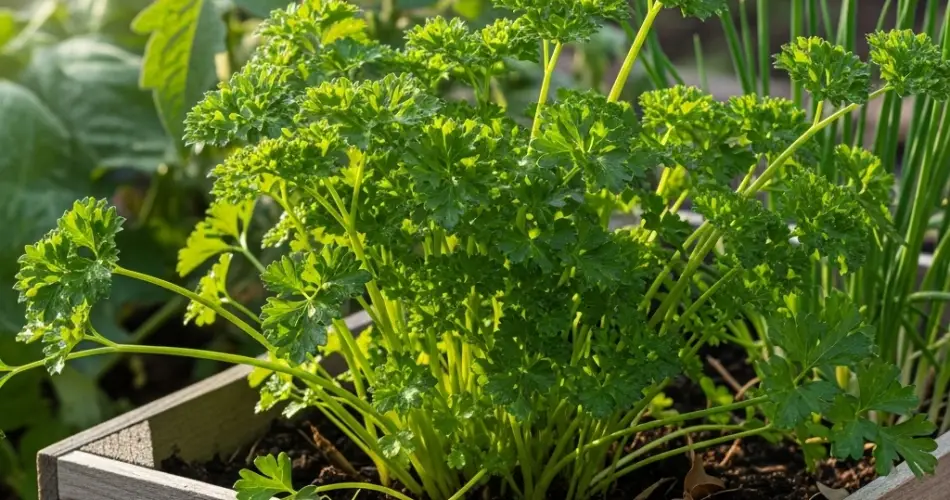
Fresh herbs are a wonderful addition to any home garden, and parsley is among the most versatile and rewarding to grow. Known for its bright flavor and rich nutritional profile, parsley enhances everything from soups and sauces to salads and garnishes. Even if you don’t have much garden space, you can easily grow parsley in crates, transforming simple wooden boxes into practical planters for your backyard herb garden. This method is affordable, sustainable, and perfect for gardeners of all skill levels.
Why Choose Crates for Parsley?
Crates make excellent planters for parsley because they provide enough depth for roots to develop while remaining lightweight and portable. Unlike traditional pots, crates often have wider planting surfaces, which means you can grow multiple plants together for a fuller, more abundant harvest. Their rustic charm also adds an attractive aesthetic to backyard gardens, patios, or decks.
Additionally, reusing old fruit or storage crates is an eco-friendly way to reduce waste. With a little preparation, these containers can be turned into durable planters that support healthy herb growth.
Preparing Crates for Planting
Before planting parsley, it’s important to prepare your crate properly. Start by checking that the wood is sturdy and free of rot. If needed, apply a natural, non-toxic wood sealant to protect it from moisture and extend its life.
Parsley requires good drainage, so drill several holes in the base of the crate. To prevent soil from spilling out, line the interior with burlap, landscape fabric, or even newspaper. This helps keep the soil in place while still allowing excess water to escape. If your crate has wide slats, reinforce them with extra planks or a liner to hold the soil securely.
Raising the crate slightly off the ground with blocks or pot feet will further improve drainage and prevent the bottom from becoming waterlogged.
The Best Soil Mix for Parsley
Parsley thrives in fertile, well-draining soil that holds enough moisture without becoming soggy. An ideal mix for crate planting includes:
-
50% high-quality potting soil for structure
-
30% compost or aged manure for rich nutrients
-
20% perlite or coarse sand to improve drainage
Parsley prefers a slightly acidic to neutral pH (6.0–7.0). Before planting, enrich the soil with a small amount of organic fertilizer or compost to ensure a nutrient boost.
Planting Parsley in Crates
Parsley can be grown from seeds or nursery seedlings. If starting from seed, soak them in warm water overnight to soften the tough seed coat and encourage faster germination. Sow the seeds about ¼ inch deep and cover lightly with soil. Keep the soil moist until seedlings appear, which can take 2–3 weeks.
If using seedlings, plant them about 6–8 inches apart to give each plant enough room to grow. Position your crate in a spot that receives at least 6 hours of sunlight daily. Parsley can also tolerate partial shade, making it versatile for different backyard conditions.
Watering and Feeding
Parsley enjoys consistent moisture, so aim to water whenever the top inch of soil feels dry. Because crates drain more quickly than garden beds, you may need to water more often, especially during hot weather.
To keep parsley healthy and productive, feed it every 3–4 weeks with liquid fertilizer or compost tea. Avoid over-fertilizing, as this can encourage excessive leaf growth at the expense of flavor.
Caring for Crate-Grown Parsley
Parsley is relatively low-maintenance, but a few simple care steps will keep it thriving. Regularly remove weeds to reduce competition for nutrients. Trimming older leaves encourages new growth and prevents the plant from becoming too woody.
If your crate feels overcrowded after a season, thin out some plants or harvest heavily to give the remaining ones more space to grow. In cooler climates, crates can be moved indoors or to a sheltered spot to extend the growing season.
Harvesting Parsley
Parsley is ready to harvest once the leaves are large and bushy enough to snip without harming the plant. Always cut stems from the outer edges, leaving the central shoots intact. This encourages continuous growth and ensures a steady supply of fresh leaves.
Harvesting regularly not only provides you with fresh herbs for your kitchen but also keeps the plant productive. Freshly cut parsley can be used immediately, dried, or frozen for long-term storage.
Common Pests and Problems
Parsley is fairly resistant to pests, but you may encounter aphids, caterpillars, or fungal issues in overly damp conditions. To prevent problems, provide adequate air circulation and avoid overhead watering. Natural remedies such as neem oil or insecticidal soap can be used if pests appear.
The Benefits of Growing Parsley in Crates
Growing parsley in crates is practical, sustainable, and rewarding. You save space, reduce waste by reusing materials, and enjoy the convenience of fresh herbs right outside your door. Crates are portable, making it easy to adjust placement for better sunlight or protection from harsh weather.
Most importantly, crate-grown parsley adds both beauty and utility to your backyard. Its lush green leaves not only enhance your garden’s appearance but also provide a constant supply of a flavorful, nutrient-rich herb for your cooking.
Final Thoughts
With a little preparation, old wooden crates can become thriving planters for parsley. Whether you have a large backyard or a small patio, this method allows you to grow fresh, fragrant herbs in a compact, eco-friendly way. Parsley’s adaptability, combined with the rustic charm of crate planters, makes it a perfect addition to any herb garden. By growing your own parsley, you bring freshness to your meals and the satisfaction of cultivating something useful and beautiful at home.


