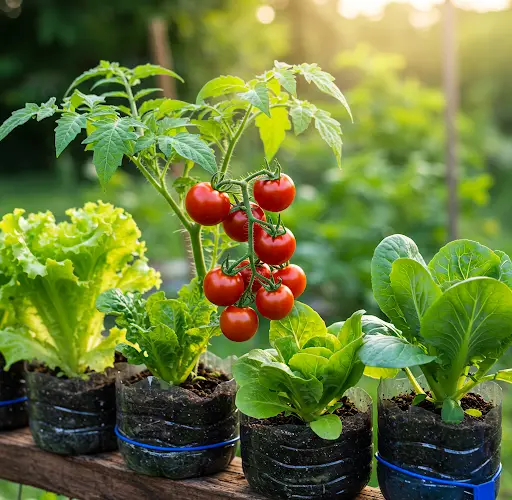
How to Grow Organic Vegetables from Plastic Bottles
Growing your own organic vegetables at home doesn’t require a large garden or fancy equipment. In fact, with just a few plastic bottles, you can start a productive and eco-friendly vegetable garden right from your balcony, patio, or even a sunny windowsill.
Upcycling plastic bottles into planters is an excellent way to reduce plastic waste while growing fresh, healthy produce. This method is perfect for beginners, small-space gardeners, and anyone looking to live a more sustainable lifestyle.
Here’s a practical guide on how to grow organic vegetables using recycled plastic bottles:
Why Use Plastic Bottles for Gardening?
Plastic bottles are lightweight, durable, and readily available in most homes. By repurposing them, you give new life to waste that would otherwise pollute the environment. Plus, they’re surprisingly effective for growing a variety of vegetables like lettuce, spinach, green onions, chili peppers, herbs, and even small tomatoes.
What You’ll Need:
-
1 to 2-liter plastic bottles
-
Scissors or a utility knife
-
A nail or sharp object (for holes)
-
Organic potting soil or compost
-
Organic vegetable seeds or seedlings
-
Water
-
Optional: jute rope, paint, or labels for decoration
Step 1: Prepare the Plastic Bottles
Start by washing the bottles thoroughly to remove any residue. If you’re using bottles that held soda or juice, make sure they’re completely clean to avoid attracting pests or mold.
Next, decide how you want to position the bottles:
Vertical Hanging Planters
-
Cut a rectangular window on the side of the bottle (opposite the label).
-
Punch two holes on either side near the top for hanging with rope or wire.
-
Poke 3–5 small holes in the bottom for drainage.
Self-Watering Bottles
-
Cut the bottle in half.
-
Invert the top portion into the bottom half.
-
Place a piece of cloth or string through the bottle cap to act as a wick.
-
Fill the bottom with water and the top with soil and plants.
Horizontal Planters
-
Lay the bottle on its side.
-
Cut a wide rectangular opening on the top.
-
Make small drainage holes underneath.
Step 2: Add Soil and Seeds
Use high-quality organic potting soil or a mix of compost, coconut coir, and garden soil. This will ensure proper drainage and nutrient availability.
Fill your bottle planter with the soil mixture, leaving about an inch of space from the top to prevent overflow during watering. Then sow your seeds according to the depth specified on the seed packet. Cover lightly with soil and mist gently with water.
Some easy organic vegetables to start with include:
-
Leafy Greens (lettuce, spinach, arugula)
-
Herbs (basil, mint, parsley)
-
Green Onions
-
Chili Peppers
-
Radishes
Choose vegetables that grow quickly and don’t require deep root systems.
Step 3: Watering and Sunlight
Place the bottles where they will receive 4 to 6 hours of sunlight daily. South- or east-facing balconies and windows work best for most leafy greens and herbs.
Water gently every day or as needed, keeping the soil consistently moist but not soggy. For self-watering bottles, refill the bottom container when it runs low.
Avoid overwatering, as plastic containers can retain water more than traditional pots. Always check the drainage holes and adjust watering based on weather and humidity.
Step 4: Maintenance and Organic Care
To keep your vegetables growing healthy and organically:
-
Avoid Chemical Fertilizers: Use compost tea, vermicompost, or banana peel water to nourish plants naturally.
-
Control Pests Organically: Spray neem oil, garlic spray, or soap solution if pests appear.
-
Prune and Thin: Remove yellowing leaves and thin crowded seedlings to promote airflow and better growth.
Rotate crops or replant different vegetables after each harvest to keep the soil balanced and reduce the risk of disease buildup.
Step 5: Harvest and Enjoy
Most leafy vegetables can be harvested in just 30–45 days. Harvest outer leaves regularly to encourage regrowth. Herbs can be trimmed as needed once they reach about 6 inches tall.
There’s nothing more satisfying than picking fresh vegetables you’ve grown yourself. They’re pesticide-free, packed with nutrients, and taste better than anything from the store.
Extra Tips:
-
Decorate your bottles with paint or natural twine to make your vertical garden beautiful and unique.
-
Label each bottle with the plant name and sowing date to track growth easily.
-
Use smaller bottles for herbs and larger ones for vegetables with deeper roots.
Conclusion
Growing organic vegetables in plastic bottles is a smart, sustainable way to garden, no matter how much space you have. It’s a great project for families, schools, and anyone wanting to reduce plastic waste while producing healthy food at home. With a little creativity and regular care, you can turn used bottles into a lush mini-garden that keeps on giving.


