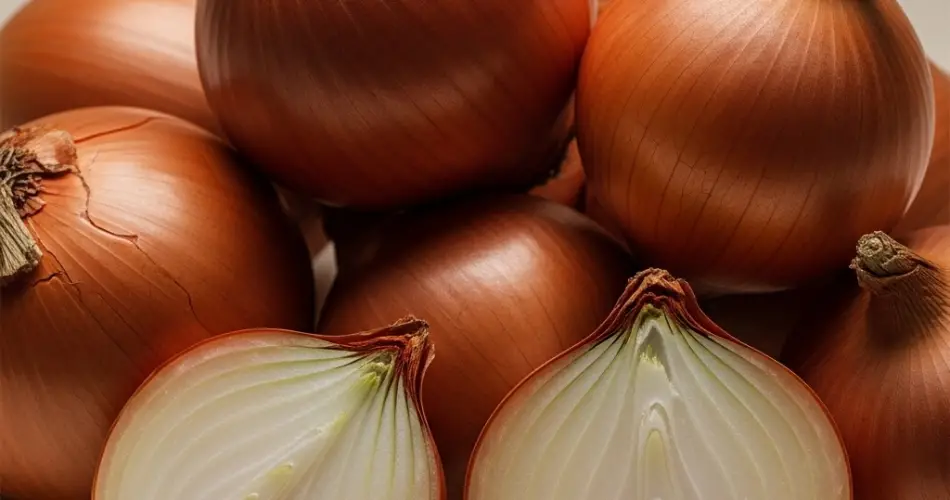
Growing onions from kitchen scraps is one of the easiest and most satisfying gardening projects you can do at home. Whether you have a large garden or just a sunny windowsill, this method saves money, reduces waste, and provides a continuous supply of fresh onions. All you need are onion bottoms, some basic supplies, and a bit of patience.
Here’s a comprehensive guide to help you grow onions from scraps with minimal effort.
Why Grow Onions from Scraps?
Onions are a kitchen staple in almost every cuisine. Re-growing them from scraps not only saves money, but also gives you control over what goes into your food. Store-bought onions are often treated with chemicals to increase shelf life, but when you grow your own, you know exactly how they’ve been handled.
Growing onions this way is also a great beginner project. It requires no special equipment or experience, and it’s a fun way to introduce children or new gardeners to growing food at home.
What You’ll Need
-
The root end (bottom) of a store-bought onion
-
A shallow dish or small container
-
Water
-
Potting soil or garden space
-
A pot or garden bed with good drainage
-
Sunlight (at least 6 hours a day)
Step-by-Step: Growing Onions from Scraps
1. Choose a Healthy Onion
Start with a firm onion that has an intact root end. Ideally, choose an onion that’s already beginning to sprout a little green shoot in the center, though this isn’t essential. Red, yellow, or white onions all work using this method.
2. Prepare the Onion Scrap
Cut the onion about 1 to 2 inches from the root end. You want to preserve the root base with a small amount of flesh attached. Allow the cut portion to dry at room temperature for a day. This helps prevent rotting once it’s placed in soil or water.
3. Start the Rooting Process in Water
Place the onion root side down in a shallow dish with just enough water to cover the roots. Make sure the cut part stays above water to prevent rot. Keep the container in a warm spot with indirect sunlight.
Change the water every day or two to keep it fresh and avoid bacterial growth. Within a few days, you should see small roots forming from the base and green shoots emerging from the top.
4. Transfer to Soil
Once the roots are about an inch long and the green shoots are clearly visible, it’s time to transplant the onion scrap into soil. You can plant it in a garden bed, raised planter, or container.
Use well-draining soil enriched with compost or organic matter. Plant the onion so that the top of the root end is just below the surface of the soil, with the green shoot sticking out above ground.
Place the pot or bed in a sunny location. Onions need full sun to thrive, ideally 6–8 hours per day.
5. Watering and Maintenance
Onions prefer consistently moist soil, but not soggy. Water when the top inch of soil feels dry. Avoid overwatering, as this can cause the bulb to rot.
Fertilize lightly with a balanced organic fertilizer every 3–4 weeks if growing in containers or poor soil.
As the plant grows, it will continue to develop more green shoots. These can be snipped off and used as fresh scallions or left to allow the bulb to mature.
6. Harvesting Your Onions
The time it takes to harvest a mature onion bulb from scraps depends on the growing conditions and variety. Typically, it takes 90 to 120 days to grow a full bulb.
Harvest when the leaves begin to yellow and fall over naturally. At that point, carefully lift the onion from the soil and allow it to cure in a dry, well-ventilated space for a week or two.
For green onions or scallions, you can harvest the green tops much sooner—usually within 3 to 4 weeks. Trim what you need and let the plant continue growing.
Regrowing Multiple Onions from One Scrap
An interesting trick is that some onion bottoms can sprout multiple green shoots, each capable of growing into a separate onion. When the green shoots reach about 4 inches tall, gently separate them and replant individually. This way, one scrap can multiply into several new plants.
Final Tips
-
Use deep containers for larger bulbs and better root development.
-
Don’t bury the scrap too deep—just enough to cover the root base.
-
Use mulch around garden onions to retain moisture and control weeds.
-
Rotate crops yearly to prevent disease if planting in the ground.
Growing onions from scraps is a sustainable and practical way to enjoy homegrown produce without a trip to the nursery or garden center. With just a few kitchen leftovers and some care, you’ll have a fresh supply of onions right at your fingertips. Whether you grow them for their bulbs or just for the greens, this low-effort method is perfect for beginners and seasoned gardeners alike.


