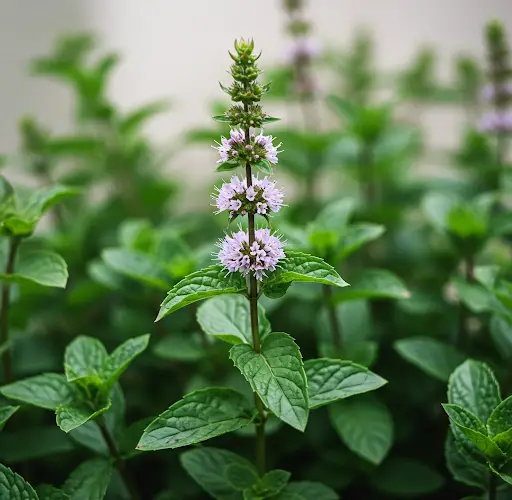
How to Grow Mint Without Watering – A Low-Maintenance Method for Abundant Harvest
Mint is one of the easiest and most rewarding herbs to grow at home. Its fresh aroma, culinary uses, and medicinal properties make it a must-have in every household. But did you know you can grow mint without daily watering? With a clever setup and a few smart gardening tricks, you can create a self-sustaining mint garden that thrives with minimal maintenance—even in dry conditions.
This article walks you through an easy method to grow mint vegetables (culinary mint) at home with almost no watering, perfect for those with a busy lifestyle or living in regions with limited water access.
Why Grow Mint at Home?
Mint is not only refreshing and flavorful, but it’s also packed with health benefits. It supports digestion, relieves stress, freshens breath, and adds a cooling touch to drinks, salads, and desserts. It’s also known for repelling insects naturally.
Growing mint at home ensures that you always have fresh leaves on hand without relying on supermarket herbs that wilt within days. With the right setup, your mint plant can thrive for months with little to no attention.
Materials You’ll Need
-
Mint cuttings or young plants
-
A large plastic bottle or container with a cap
-
Rich potting soil (preferably mixed with compost or coconut coir)
-
A small amount of gravel or pebbles
-
Scissors or a knife
-
A sunny or semi-shaded location
Optional: Mulch such as dry leaves, rice husks, or straw to cover the soil surface.
Step-by-Step Guide to Growing Mint Without Watering
1. Prepare the Self-Watering Container
To eliminate the need for daily watering, you can create a self-watering system using a recycled plastic bottle or container.
-
Take a 5-liter or larger plastic bottle and cut it in half.
-
Fill the bottom part with gravel or pebbles to store water.
-
Invert the top part (with the cap on) and punch several small holes in the cap. This piece will hold the soil and act as the growing chamber.
-
Place the top part inside the bottom half, creating a reservoir below.
This system allows the mint plant to absorb moisture gradually through capillary action, reducing the need for frequent watering.
2. Prepare and Plant the Mint
You can propagate mint using fresh cuttings from an existing plant.
-
Cut a 4–6 inch stem from a healthy mint plant, preferably just below a node.
-
Remove the lower leaves and place the cutting in water for a few days until roots develop.
-
Once roots appear, transplant the cutting into your prepared container filled with potting mix.
Alternatively, you can directly plant a rooted seedling in the self-watering setup.
3. Mulch the Soil Surface
To retain moisture and reduce evaporation, apply a layer of mulch on top of the soil. This step is key for growing mint without regular watering. Mulch not only locks in moisture but also suppresses weeds and keeps the soil temperature consistent.
Good options for mulch include:
-
Dried grass
-
Coconut husk fiber
-
Straw or hay
-
Crushed leaves or rice husks
Positioning and Light
Mint thrives in partial sunlight. While it can tolerate full sun, it grows well in areas with morning light and afternoon shade, especially in hot climates. Choose a spot where the plant gets at least 4–6 hours of sunlight per day.
If you place your container on a balcony or patio, make sure it’s in a location protected from extreme heat or wind to prevent excessive evaporation.
Ongoing Care and Maintenance
One of the biggest benefits of this method is reduced maintenance. Here are a few things to keep in mind:
-
Check the Reservoir: Every 7–10 days, check if the bottom reservoir still has water. If it’s dry, simply refill it.
-
Prune Regularly: Regularly trim your mint to encourage bushy growth. Use the leaves in your kitchen or dry them for later use.
-
Avoid Overcrowding: If your mint plant becomes too dense, thin it out by removing a few stems to promote airflow and prevent mold.
Pest Control and Natural Protection
Mint is naturally pest-resistant thanks to its strong aroma, but if you notice pests like aphids or spider mites, rinse the leaves gently with a spray of water mixed with neem oil or dish soap.
Also, avoid fertilizing too heavily. Mint doesn’t need much fertilizer, and too much can affect the flavor of the leaves.
Harvesting Your Mint
Mint can be harvested once the plant is about 6 inches tall. Use clean scissors to snip the stems just above a pair of leaves. This encourages side shoots to grow, making the plant fuller and more productive.
Avoid stripping all the leaves from a single stem. Instead, harvest from multiple stems to keep the plant balanced.
Conclusion
Growing mint without watering every day is not only possible—it’s practical, sustainable, and ideal for busy gardeners. With this method, your mint plant can thrive for months with just occasional maintenance. Whether you’re using it for tea, garnishes, or natural remedies, you’ll love having a lush supply of mint available at all times.
By using recycled containers, natural mulch, and minimal effort, you can turn even the smallest balcony into a refreshing green corner. Give this water-saving technique a try and enjoy the fresh benefits of homegrown mint—without the daily watering routine!


