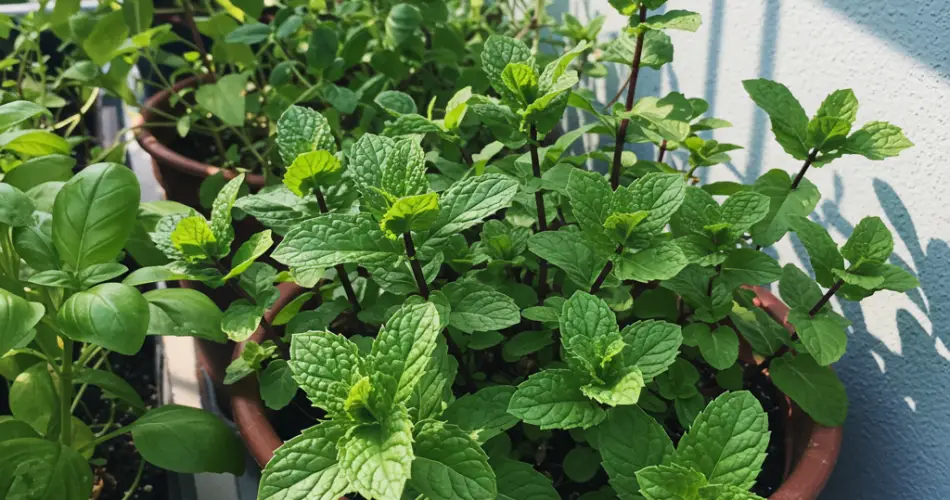
Growing herbs at home is one of the easiest and most rewarding gardening experiences, and mint tops the list as one of the most versatile and low-maintenance plants you can grow. Whether you have a large terrace or a small balcony, mint can thrive in containers and provide a fresh, fragrant supply for teas, drinks, salads, and culinary recipes.
Here’s a complete guide on how to grow mint on your balcony with simple, effective tips to keep it healthy and productive.
1. Choose the Right Variety of Mint
There are several types of mint, and each has its own unique aroma and flavor. Some of the most popular varieties for home growing include:
-
Peppermint – Strong, sharp flavor, perfect for teas and desserts.
-
Spearmint – Milder and sweeter, great for salads and drinks.
-
Chocolate Mint – A variety with a subtle cocoa scent.
-
Apple Mint – Soft leaves with a fruity fragrance.
Choose the variety that suits your taste or experiment with growing more than one.
2. Select a Suitable Container
Mint spreads rapidly and can quickly overtake other plants, so it’s best to grow it in a container rather than in a shared planter. Choose a pot with good drainage holes to prevent water from accumulating at the roots.
The container should be at least 8–10 inches deep and wide enough to accommodate the plant’s growth. Terracotta pots are ideal, but plastic or ceramic containers will also work well.
3. Use Quality Potting Soil
Mint prefers rich, loamy soil that drains well. Use a high-quality potting mix with added compost or organic matter. If the mix feels too dense, lighten it with some sand or perlite to improve aeration and drainage.
Avoid using garden soil from the ground, which can be too heavy and may introduce pests or diseases to your balcony garden.
4. Provide Enough Sunlight
Mint thrives in partial to full sunlight. Place the pot where the plant can receive at least 4 to 6 hours of light daily. A balcony that gets morning sun and afternoon shade is ideal.
If your balcony doesn’t receive enough natural light, you can use a grow light to supplement, especially during winter or in shaded areas.
5. Water Regularly
Mint loves moisture, but it does not like soggy roots. Water the plant when the top inch of the soil feels dry. During hot weather, you may need to water once daily, especially if your balcony is exposed to a lot of sun.
Make sure excess water can drain freely from the pot to prevent root rot. Avoid letting the pot sit in a saucer full of water.
6. Fertilize Occasionally
Mint doesn’t need heavy feeding, but a little boost can help maintain lush, green growth. Use a balanced liquid fertilizer once every 4–6 weeks during the growing season (spring to early autumn).
Alternatively, you can use organic options like compost tea or diluted fish emulsion to keep the plant naturally nourished.
7. Prune and Harvest Regularly
Regular harvesting encourages mint to grow bushier and prevents it from becoming leggy. Once the plant reaches 4–5 inches in height, start snipping off the top leaves for use.
Always cut above a pair of leaves to promote branching. Remove any flowers that begin to form—this keeps the plant’s energy focused on growing leaves rather than seeds.
Prune the plant back by one-third every few weeks to control size and stimulate new growth.
8. Watch for Pests
Mint is relatively pest-resistant, but it can occasionally attract aphids, spider mites, or whiteflies. Check the underside of leaves regularly and rinse them off with a spray of water if needed.
If infestations persist, use a natural insecticidal soap or neem oil spray. Good airflow around the plant helps prevent fungal issues like powdery mildew.
9. Overwintering Tips
If you live in a region with cold winters, mint may go dormant during the cooler months. Move the pot indoors to a sunny windowsill or sheltered area when temperatures drop below 5°C (41°F).
Alternatively, you can cut the plant back and store the container in a frost-free spot, watering occasionally to keep the roots alive.
In spring, the mint will sprout new growth and quickly bounce back.
10. Enjoy Your Mint!
Once established, mint is incredibly low-maintenance and productive. Use it fresh or dry the leaves for later use. You can also freeze chopped mint in ice cube trays with water to preserve flavor for soups and drinks.
Whether you’re growing it for herbal tea, mojitos, or homemade sauces, having fresh mint on your balcony is a simple luxury that enhances both your meals and your outdoor space.
Growing mint on a balcony is a rewarding experience even for beginners. With minimal effort and a little routine care, you’ll have a continuous supply of fresh, aromatic leaves right at your fingertips.


