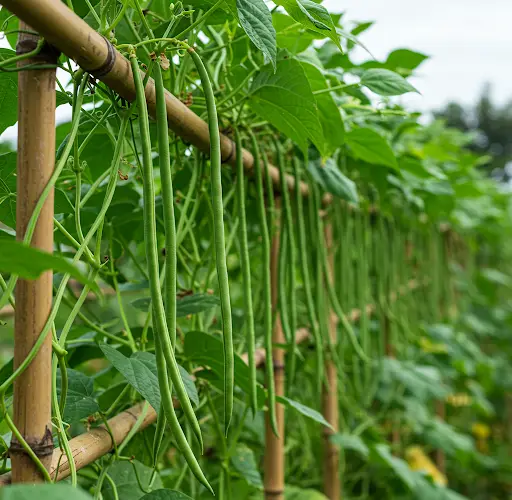
How to Grow Long Beans with Lots of Fruit and a Continuous Harvest
Long beans, also known as yardlong beans or asparagus beans, are one of the easiest and most productive vegetables to grow at home. These fast-growing, vining legumes produce abundant, tender pods that can be harvested continuously for weeks. With the right growing techniques, you can ensure a bountiful and prolonged harvest.
In this guide, we’ll walk through the best methods to grow long beans, from seed selection to care, support, and harvesting, to maximize yield and extend production.
Why Grow Long Beans?
Long beans are an excellent choice for home gardeners because they are:
- Fast-growing: Ready to harvest within 60-75 days after planting.
- High-yielding: A single plant can produce a large number of beans.
- Heat-tolerant: Unlike common green beans, long beans thrive in warm temperatures.
- Low maintenance: They require minimal care and are resistant to most pests and diseases.
- Nutrient-rich: Packed with fiber, vitamins A and C, iron, and protein.
Step-by-Step Guide to Growing Long Beans for Maximum Harvest
Materials Needed
- Long bean seeds (choose a high-yielding variety)
- Rich, well-draining soil
- Compost or organic fertilizer
- Trellis, poles, or a support system
- Mulch (straw, dry leaves, or grass clippings)
- Watering can or hose
- Neem oil or natural pest repellent (optional)
Step 1: Choosing the Right Location
- Long beans thrive in full sunlight (at least 6-8 hours per day).
- Select a location with well-draining soil to prevent waterlogging.
- If using containers, choose large pots (at least 12 inches deep).
Step 2: Preparing the Soil
- Loosen the soil to at least 12 inches deep to promote root growth.
- Mix in organic compost or well-rotted manure to enrich the soil.
- Ensure the soil has a pH of 6.0-7.0 for optimal growth.
- Avoid too much nitrogen, as it can lead to excessive leaves instead of beans.
Step 3: Planting Long Beans
Growing from Seeds:
- Soak seeds in water for 6-8 hours before planting to speed up germination.
- Plant seeds 1 inch deep and 4-6 inches apart in rows or raised beds.
- Space rows 12-18 inches apart to allow for proper vine growth.
- Water gently to keep the soil moist but not soggy.
Growing in Containers:
- Use large pots or grow bags with good drainage.
- Fill with a mix of potting soil, compost, and sand for aeration.
- Plant 2-3 seeds per pot and thin to the strongest seedling after sprouting.
Seeds will germinate within 5-10 days, depending on temperature and moisture levels.
Step 4: Providing Proper Support
- Long beans grow as climbing vines and need a sturdy trellis, bamboo poles, or fencing.
- Install supports at planting time to avoid disturbing roots later.
- Trellising keeps beans off the ground, preventing disease and making harvesting easier.
- Train vines to climb by gently wrapping tendrils around the support.
Step 5: Watering and Mulching
- Water deeply 2-3 times per week, keeping the soil consistently moist.
- Avoid overwatering, as soggy soil can lead to root rot.
- Apply a 2-inch layer of mulch around plants to retain moisture and suppress weeds.
Step 6: Fertilizing for Maximum Yield
- Use a balanced organic fertilizer (5-10-10 NPK) to encourage flowering and fruiting.
- Apply banana peel tea or compost tea every 2-3 weeks for extra nutrients.
- Once flowering starts, reduce nitrogen fertilizers and focus on phosphorus and potassium.
Step 7: Managing Pests and Diseases
| Problem | Cause | Solution |
|---|---|---|
| Yellow leaves | Overwatering or nitrogen deficiency | Adjust watering and add compost |
| Aphids | Sap-sucking insects | Spray neem oil or use ladybugs as natural predators |
| Powdery mildew | Fungal infection | Ensure good airflow and spray with diluted baking soda |
| Wilting plants | Lack of water or soil-borne disease | Water regularly and remove affected plants |
Step 8: Ensuring Continuous Harvest
- Pick beans when they are 12-18 inches long and still tender.
- Use scissors or garden shears to avoid damaging the plant.
- Harvest every 2-3 days to encourage continuous bean production.
- Avoid leaving overripe beans on the vine, as this signals the plant to stop producing.
Step 9: Extending the Growing Season
- Succession Planting: Sow new seeds every 3-4 weeks for an extended harvest.
- Interplant with other crops like basil, tomatoes, or marigolds to repel pests.
- Rotate crops yearly to maintain soil health and prevent disease buildup.
Bonus Tips for a Bountiful Harvest
- Hand-pollinate flowers using a soft brush to increase fruit set.
- Train vines regularly to prevent overcrowding and promote air circulation.
- Water in the morning to prevent fungal diseases.
- Use natural pest control methods like neem oil and companion planting.
- Save seeds from the healthiest plants for future planting.
Final Thoughts
Growing long beans with a continuous and abundant harvest is easy with proper care and maintenance. By using trellising, organic fertilization, consistent watering, and regular harvesting, you can enjoy a steady supply of fresh, delicious beans for months.
Try these tips in your garden, and you’ll be amazed at how productive your long bean plants can be!


