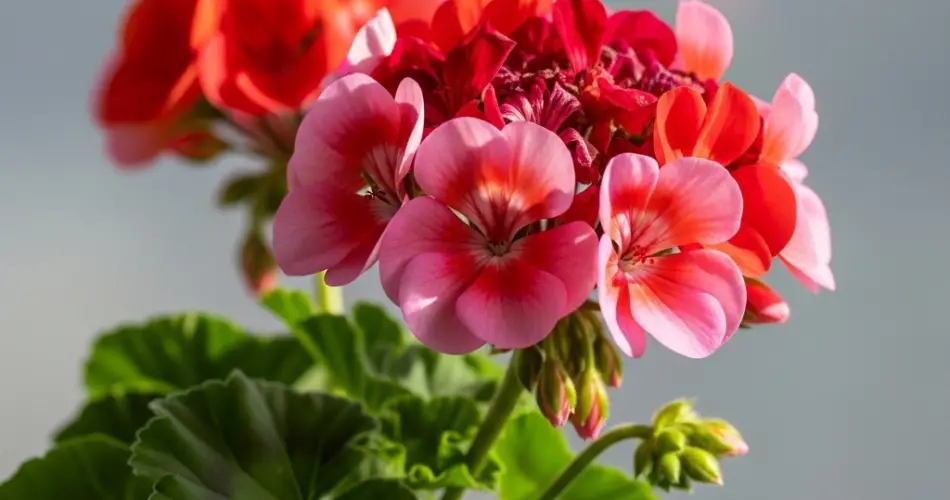
Geraniums are one of the most rewarding flowering plants you can grow, whether you’re working with a backyard garden, balcony, or sunny windowsill. Known for their vibrant colors, long blooming season, and hardy nature, geraniums are a favorite of gardeners around the world. Best of all, you don’t need years of experience to grow them successfully. With the right techniques, even beginners can enjoy thriving, professional-looking geraniums.
Here’s how to grow geraniums like a seasoned gardening expert—no matter your starting point.
Choosing the Right Type of Geranium
First, understand that the term “geranium” is commonly used to refer to two different plants:
-
Zonal Pelargoniums – The popular garden variety, with large clusters of bright blooms and round leaves often marked with darker zones.
-
True Geraniums (Cranesbills) – Hardy perennials with more delicate flowers, better suited for cooler climates and naturalistic garden borders.
This guide focuses on zonal pelargoniums, which are ideal for containers, window boxes, and beds. They’re easy to grow, bloom continuously, and come in a wide range of colors including red, pink, white, orange, and purple.
Step 1: Pick the Perfect Location
Geraniums thrive in full sun—at least 6 hours of direct sunlight per day. The more light they receive, the more abundant their blooms.
Ideal growing conditions include:
-
Well-drained soil in a garden bed
-
Containers or hanging baskets with drainage holes
-
South-facing balconies or windowsills
In regions with very hot summers, partial shade in the afternoon can help prevent leaf scorch.
Step 2: Use the Right Soil and Container
Geraniums prefer light, airy soil that doesn’t hold too much water. If planting in containers, use a high-quality potting mix that includes peat moss or coconut coir for moisture retention and perlite for drainage.
For in-ground planting, mix compost and sand or perlite into the soil to improve drainage. Avoid heavy, clay-rich soils which can suffocate the roots.
Step 3: Planting Tips for Success
If starting from nursery plants:
-
Gently remove the plant from its pot and loosen the roots.
-
Dig a hole slightly wider than the root ball.
-
Plant at the same depth it was growing in the pot.
-
Water thoroughly after planting.
If planting from cuttings, allow the cutting to callous for 24 hours, then plant in moist potting mix and place in a warm, bright location until roots develop.
Space plants 8 to 12 inches apart to allow airflow and reduce the risk of fungal disease.
Step 4: Master Watering and Feeding
Geraniums are drought-tolerant once established, but consistent watering encourages stronger growth and more flowers.
-
Water when the top inch of soil is dry. Avoid letting the soil remain soggy, which can lead to root rot.
-
During hot weather, potted geraniums may need water once a day, while in-ground plants usually need water every few days.
-
Reduce watering in cooler seasons.
Feed geraniums every 2 to 4 weeks with a balanced, water-soluble fertilizer. To boost blooming, switch to a fertilizer higher in phosphorus (such as a 10-20-10 blend) during the flowering season.
Step 5: Deadhead and Prune for More Blooms
Deadheading is essential for long-lasting blooms. Remove spent flowers by pinching or cutting the entire flower stem just above a leaf node.
Regular pruning also encourages bushier growth. Trim leggy stems by about one-third in early spring or mid-summer to maintain a compact shape.
Don’t be afraid to cut back hard in late fall if you plan to overwinter your geraniums indoors.
Step 6: Pest and Disease Prevention
Healthy geraniums are fairly resistant to pests, but keep an eye out for:
-
Aphids
-
Spider mites
-
Whiteflies
-
Botrytis (gray mold) in humid conditions
Use insecticidal soap or neem oil for pest problems and ensure good airflow between plants to prevent fungal disease.
Step 7: Overwintering Geraniums
In colder climates, geraniums won’t survive frost outdoors. You have a few options:
-
Bring potted plants indoors before the first frost and place them in a sunny window.
-
Take cuttings and root them indoors over winter.
-
Store bare-root plants in a cool, dry basement and replant them in spring.
When spring returns, gradually reintroduce your geraniums to outdoor conditions over a week to avoid shock.
Conclusion
Growing geraniums like a gardening expert isn’t about complicated methods—it’s about consistency, attention, and a bit of plant care know-how. With their vibrant blooms, forgiving nature, and long flowering season, geraniums are the perfect choice for beginners and seasoned gardeners alike.
Follow these simple steps, and you’ll enjoy a spectacular display of color from spring to fall—no matter your experience level. Your garden, patio, or balcony will thank you.


