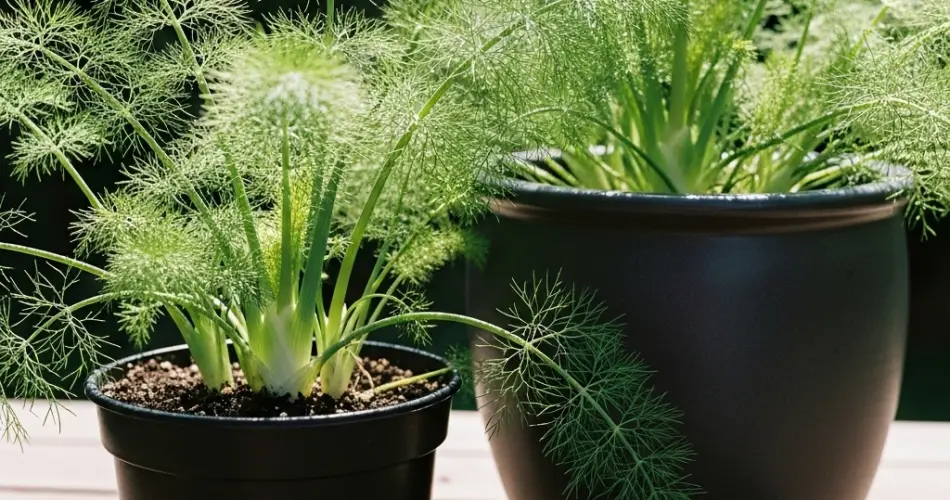
Fennel is a fragrant, versatile herb and vegetable that can be grown easily in containers, making it perfect for small-space gardening. With its feathery fronds, crisp bulbs, and aromatic seeds, fennel adds value to both your kitchen and your balcony or patio garden. Whether you’re interested in harvesting the bulb, fronds, or seeds, growing fennel in containers allows you to control the environment and keep the plant healthy and productive.
Here’s a step-by-step guide to successfully growing fennel in containers at home.
Choosing the Right Fennel Variety
Before planting, decide whether you want to grow fennel for its bulb or for its leaves and seeds.
-
Florence fennel (Finocchio) is grown for its large, crisp bulb and is the best choice if you want to use the base in cooking.
-
Herb fennel (Foeniculum vulgare) is grown primarily for its aromatic fronds and seeds. This variety doesn’t form a large bulb.
Both varieties thrive in containers, so your choice depends on what part of the plant you wish to harvest.
Selecting the Container
Fennel has a long taproot and needs room to grow both vertically and horizontally.
-
Choose a container that is at least 12–14 inches deep and wide enough to accommodate the plant’s spread.
-
If you’re growing multiple plants, use a larger pot or a deep rectangular planter.
-
Ensure the container has good drainage holes to prevent water from pooling at the bottom.
Preparing the Soil
Fennel prefers loose, fertile, and well-draining soil.
-
Use a lightweight potting mix enriched with compost or organic matter.
-
Mix in a bit of perlite or coarse sand to improve drainage.
-
A slightly acidic to neutral pH between 6.0 and 7.0 is ideal.
Avoid overly rich soil, which may encourage excessive leaf growth at the expense of the bulb.
Planting Fennel Seeds or Seedlings
From Seeds:
-
Fill your container with moistened potting mix.
-
Sow fennel seeds directly in the soil, about 1/4 inch deep.
-
Space seeds at least 10–12 inches apart if you’re planting more than one in the same pot.
-
Lightly cover the seeds and mist the top layer with water.
-
Place the container in a sunny spot—germination typically occurs within 7–14 days.
From Seedlings:
-
Gently transplant young fennel seedlings into the container.
-
Keep spacing between plants to allow for proper bulb development and airflow.
-
Water well after planting to help settle the soil around the roots.
Sunlight and Positioning
Fennel loves sunlight. For optimal growth:
-
Place your container in a spot that receives at least 6–8 hours of full sun daily.
-
If indoors, choose a south-facing window or use a grow light to supplement natural light.
Rotate the container regularly to ensure even growth on all sides.
Watering and Feeding
Fennel requires consistent moisture, especially during the early stages of growth and bulb formation.
-
Keep the soil evenly moist but not soggy—overwatering can cause root rot.
-
Water whenever the top inch of soil feels dry.
-
Add a balanced liquid fertilizer every 3–4 weeks, especially during the active growing season.
Avoid high-nitrogen fertilizers, which may delay bulb formation.
Managing Growth
Once the fennel reaches about 6 inches tall:
-
Thin the plants if necessary, leaving about 12 inches between each one.
-
For bulb-forming varieties, mound soil gently around the base of the plant (a process called “blanching”) to help form a cleaner, tender bulb.
-
Regularly remove yellowing leaves or damaged fronds to encourage new growth.
Harvesting Fennel
The harvesting method depends on what you plan to use:
-
Bulbs: Harvest when the bulb is firm and about the size of a tennis ball (typically 12–14 weeks after planting). Use a sharp knife to cut the bulb just above soil level.
-
Fronds: Snip off fresh leaves as needed once the plant is about 8–10 inches tall.
-
Seeds: Allow the plant to flower and form seed heads. When seeds turn brown, clip them and dry indoors before storing.
Cutting the bulb usually ends the plant’s growth cycle, though you can allow it to flower if you want seeds.
Common Pests and Problems
Watch out for:
-
Aphids and caterpillars: Spray with neem oil or use insecticidal soap.
-
Bolting: Fennel may bolt (flower early) in high heat or if stressed. Keep the soil moist and try to shield plants from extreme afternoon sun.
Fennel doesn’t like to be transplanted or moved once established, so avoid disturbing the roots.
Final Tips
-
Avoid planting fennel near other herbs like dill or cilantro as they can cross-pollinate or compete for nutrients.
-
Don’t overcrowd the container—give the plant room to breathe and develop fully.
-
Use harvested fronds for garnishing dishes or making herbal teas, and save seeds for seasoning or future planting.
Conclusion
Growing fennel in containers is a rewarding and aromatic addition to any home garden. With just a bit of sun, water, and care, you can enjoy fresh bulbs, fronds, and seeds right from your balcony or kitchen. Whether you’re new to container gardening or an experienced grower, fennel’s adaptability and culinary uses make it an excellent choice for your herb collection.


