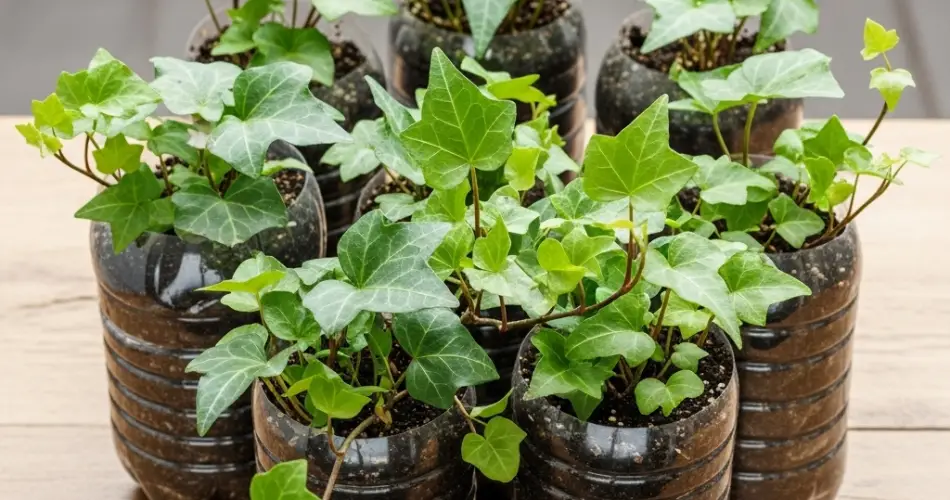
English ivy (Hedera helix) is a classic and versatile houseplant known for its graceful trailing vines and lush, green foliage. Whether draped elegantly from a hanging container or spilling over the edge of a tabletop pot, English ivy adds a timeless charm to any indoor space. It’s relatively easy to grow, adaptable to different environments, and perfect for both new and experienced indoor gardeners.
Growing English ivy in containers offers a convenient and stylish way to enjoy this vining plant indoors. With the right care, it can thrive year-round and bring life to your home with its decorative, cascading stems.
Choosing the Right Container
English ivy adapts well to various containers, but the right one can make all the difference in the plant’s health and appearance.
For Hanging Containers:
-
Use a pot with a built-in hanger or macramé holder.
-
Choose lightweight materials like plastic or fiberstone to make hanging easier.
-
Ensure there are drainage holes to prevent root rot.
For Tabletop Containers:
-
Select shallow or medium-depth pots, as ivy doesn’t require deep soil.
-
Decorative ceramic or clay pots work well and add to your room’s aesthetics.
-
Place a saucer underneath to catch any excess water.
Regardless of the container type, drainage is essential. English ivy doesn’t tolerate soggy soil, so always use pots with proper drainage holes.
Selecting a Healthy Plant
When purchasing English ivy, choose a plant with vibrant, firm leaves and no signs of pests or disease. Avoid plants with yellowing, drooping, or spotted leaves. A well-rooted, bushy plant will establish faster and grow more vigorously in your container.
You can also propagate English ivy from cuttings if you already have a healthy plant at home. Simply take a 4–6 inch cutting with a few leaf nodes, place it in water or moist soil, and roots should develop within a few weeks.
Potting Mix and Planting
Use a high-quality, well-draining potting mix. English ivy prefers slightly acidic to neutral soil, but the most important factor is drainage. A standard indoor potting mix with added perlite or coarse sand works well.
Planting Tips:
-
Fill the container about two-thirds full with potting mix.
-
Gently loosen the ivy’s roots before placing it into the container.
-
Fill around the roots with more soil, pressing lightly to secure the plant.
-
Water thoroughly until water drains from the bottom.
Avoid burying the crown (where the stems meet the roots) too deeply, as this can lead to rot.
Light Requirements
English ivy prefers bright, indirect light but can adapt to medium or low light conditions. However, low light may result in slower growth and less vibrant foliage.
Ideal Locations:
-
Near an east or north-facing window
-
Bright indoor spaces with filtered sunlight
-
Hanging baskets in well-lit rooms
Avoid placing ivy in harsh, direct sunlight for extended periods, as this can scorch the leaves.
Watering and Humidity
English ivy likes to be kept slightly moist but not soggy. Allow the top inch of soil to dry out between waterings.
Watering Guidelines:
-
Water thoroughly when the soil feels dry to the touch.
-
Reduce watering in winter when growth slows.
-
Use room-temperature water to avoid shocking the roots.
Though English ivy can tolerate average indoor humidity, it prefers moderate to high humidity. If your home is dry, especially in winter, consider misting the plant occasionally or placing a tray of water nearby to boost moisture in the air.
Pruning and Maintenance
Regular pruning helps keep English ivy looking full and encourages new growth. It also prevents the plant from becoming leggy or overgrown.
Maintenance Tips:
-
Pinch off or trim long vines to maintain a desired shape.
-
Remove any yellow or damaged leaves to keep the plant tidy.
-
Clean the leaves occasionally with a damp cloth to remove dust.
If the plant becomes root-bound or outgrows its container, repot it in a slightly larger pot with fresh soil.
Pests and Problems
English ivy is generally hardy but can be susceptible to common houseplant pests such as spider mites, aphids, and scale.
To prevent problems:
-
Inspect the plant regularly, especially under leaves.
-
Quarantine new plants before placing them near others.
-
If pests appear, treat them promptly with insecticidal soap or neem oil.
Overwatering and poor drainage can also lead to root rot, so ensure the potting mix drains well and that you’re not watering too frequently.
Styling Tips
-
Let vines drape from hanging baskets in corners or windows.
-
Use tabletop containers on bookshelves, mantels, or desks for a cascading effect.
-
Pair English ivy with other plants in a mixed arrangement for visual interest.
Its trailing habit makes it ideal for softening the edges of hard furniture or adding vertical interest to small spaces.
Conclusion
English ivy is a graceful and adaptable houseplant that brings natural beauty to indoor spaces. Whether displayed in a hanging basket or a tabletop pot, it’s easy to grow and care for with just a few basic requirements. By choosing the right container, providing proper light and moisture, and pruning regularly, you can enjoy a lush, trailing ivy plant that enhances any room with timeless greenery.


