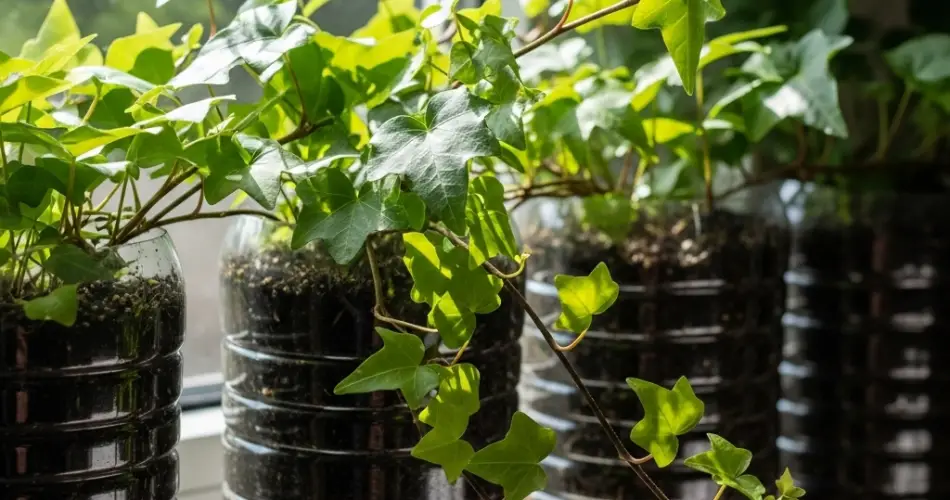
English ivy (Hedera helix) is a timeless favorite for indoor gardeners who love graceful, trailing greenery. With its classic lobed leaves and vigorous growth, this hardy plant adds elegance and freshness to any room. Whether you let it cascade from a high shelf, climb a trellis, or sprawl across a windowsill, English ivy thrives when grown in pots—making it an ideal choice for apartments, small spaces, and homes without gardens.
This guide will show you how to grow and care for English ivy in pots, from choosing the right container to encouraging lush growth. With minimal effort, you can enjoy this beautiful climber all year round.
Why Choose English Ivy for Containers?
English ivy is incredibly versatile and adapts well to life in a pot. Here are a few reasons why it’s such a popular choice:
-
Compact and Adaptable: Ideal for containers of all sizes, from small decorative pots to hanging baskets.
-
Air-Purifying: Known to filter indoor air pollutants, it improves air quality while adding aesthetic value.
-
Low Maintenance: Hardy and forgiving, ivy is well-suited to beginner plant enthusiasts.
-
Versatile Display Options: Can be grown upright with support or allowed to trail down for a cascading effect.
With the right setup and care, English ivy can thrive indoors for many years.
Choosing the Right Pot
Size and Depth
English ivy doesn’t need deep pots since its roots are relatively shallow. A medium-sized pot, 6–8 inches in diameter, is a good starting point for a small to medium plant. If your ivy outgrows its pot, you can easily repot into a slightly larger container.
Material
-
Plastic pots retain moisture better, which is helpful in dry climates.
-
Terracotta pots allow for better airflow but may dry out more quickly.
-
Ceramic pots offer a decorative option, but make sure they have drainage holes.
Drainage
Good drainage is essential. Choose a pot with at least one hole at the bottom. If you’re using a decorative outer pot (cachepot), make sure to remove excess water after watering to avoid root rot.
Potting Mix and Soil
English ivy prefers a well-draining potting mix. A standard indoor potting soil works well, but for best results, use a blend that includes:
-
Peat moss or coconut coir (for moisture retention)
-
Perlite or sand (for drainage)
-
A small amount of compost or organic matter
Avoid heavy or clay-based soils that retain too much water.
Light Requirements
English ivy grows best in bright, indirect light. A spot near a window with filtered sunlight is ideal. While it can tolerate low light, growth may slow, and the plant can become leggy.
Avoid placing your ivy in direct sunlight, especially in the afternoon, as this can scorch the leaves.
Watering Tips
When it comes to watering English ivy, consistency is key—but overwatering is a common mistake. Follow these tips:
-
Water when the top inch of soil feels dry.
-
Ensure excess water drains out to avoid soggy roots.
-
In warmer months, you may need to water more often.
-
Reduce watering during the winter when growth slows.
Using a saucer under the pot is fine, but always empty any standing water after watering.
Humidity and Temperature
English ivy enjoys moderate humidity and cool indoor temperatures between 15–21°C (60–70°F). If your home is particularly dry, consider occasional misting or placing a humidity tray nearby.
Avoid placing ivy near heating vents, radiators, or air conditioners, as these can dry out the leaves.
Feeding and Fertilizing
Feed your potted English ivy during the active growing season (spring through early fall) with a balanced liquid fertilizer diluted to half strength, every 4–6 weeks.
Skip fertilizing in winter, as the plant enters a semi-dormant state and doesn’t require extra nutrients.
Pruning and Training
Pruning keeps your ivy neat and encourages bushier growth. Here’s how:
-
Trim long or unruly vines to maintain shape.
-
Remove yellow or dead leaves regularly.
-
Use scissors or pruning shears for clean cuts.
You can also train English ivy to grow upward using a small trellis, hoop, or wire frame placed in the pot. For a trailing look, allow the vines to cascade naturally over the edge of a shelf or hanging basket.
Repotting Your Ivy
Ivy should be repotted every 1–2 years, or when roots begin to outgrow the container. Signs that it’s time to repot include:
-
Roots growing out of the drainage holes
-
Soil drying out more quickly than usual
-
Stunted growth despite good care
When repotting, choose a container just one size larger and refresh the soil for continued healthy growth.
Common Problems and Solutions
-
Yellow Leaves: Often caused by overwatering or poor drainage. Let the soil dry out before watering again.
-
Brown Leaf Tips: May indicate low humidity or salt buildup from fertilizer. Flush the soil with clean water and increase humidity.
-
Pests: Watch for spider mites or aphids. Treat with insecticidal soap or neem oil if needed.
Final Thoughts
Growing English ivy in pots is a simple and rewarding way to bring greenery into your home. With its cascading vines and easy-care nature, it’s a perfect choice for both novice and experienced plant lovers. By choosing the right pot, providing good light, and maintaining a proper watering routine, your ivy will reward you with lush, trailing beauty all year long.
Whether perched on a shelf, climbing a small trellis, or tumbling from a hanging planter, English ivy offers a timeless charm that transforms any indoor space into a refreshing green haven.


