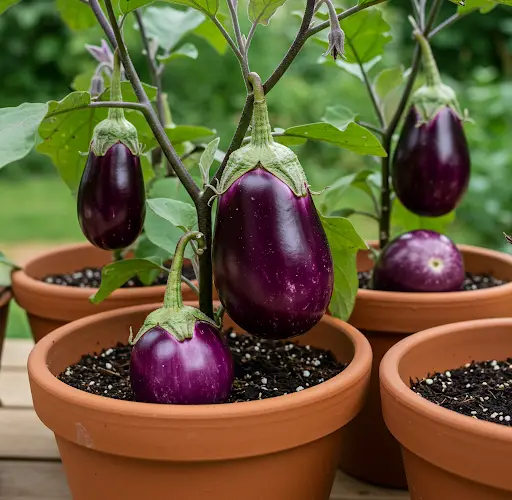
Growing eggplants at home in containers is an enjoyable and productive way to add beauty and flavor to your garden, balcony, or patio. One of the best varieties for container growing is the Pingtung Long eggplant, a slender, mild-flavored type from Taiwan. It’s known for its productivity, heat tolerance, and long purple fruits that are tender and delicious.
Whether you’re a beginner or an experienced gardener, this guide walks you through every step of growing Pingtung Long eggplant from seed to harvest—right in a container.
Why Choose Pingtung Long Eggplant?
Pingtung Long eggplants are ideal for small spaces due to their compact, upright growth and abundant yield. Each plant can produce many fruits, each measuring 12–18 inches long, with a glossy, deep purple color. They are also more resistant to pests and heat stress than some other varieties.
What You’ll Need
-
Pingtung Long Eggplant Seeds
-
Seed-starting trays or small pots
-
Containers (minimum 5 gallons each)
-
High-quality potting mix with compost
-
Liquid organic fertilizer or slow-release fertilizer
-
Sunny location or grow lights
-
Watering can or hose with fine spray
Step 1: Start Seeds Indoors
Start eggplant seeds indoors 8 to 10 weeks before your last expected frost date. Use seed-starting trays or small pots filled with a light, moist seed-starting mix. Sow seeds ¼ inch deep and cover lightly with soil.
Place the trays in a warm location—eggplants germinate best between 75–85°F (24–29°C). A heat mat can help speed up germination, which usually takes 7–14 days. Keep the soil moist but not soggy.
Once seedlings emerge, move them to a bright window or under grow lights. They need 12–16 hours of light daily to grow strong and healthy.
Step 2: Pot Up When Seedlings Grow
When seedlings have 2–3 true leaves, transplant them into slightly larger pots to encourage healthy root growth. Continue to keep them warm and well-lit. Fertilize once a week with a diluted liquid fertilizer to support development.
Step 3: Prepare Containers for Transplanting
Once the danger of frost has passed and nighttime temperatures stay above 60°F (16°C), it’s time to move your seedlings outdoors. Choose containers at least 5 gallons in size with good drainage holes. Larger pots will support more root development and better fruit production.
Fill your containers with a high-quality potting mix enriched with compost or slow-release organic fertilizer. Avoid using garden soil, which can be too heavy and may contain pests or diseases.
Step 4: Transplant Carefully
Harden off your seedlings by placing them outdoors in a shaded spot for a few hours each day for a week, gradually increasing sun exposure.
Transplant the seedlings into the prepared containers, burying them slightly deeper than they were in the seedling pot. Water thoroughly after planting to help the roots settle.
Step 5: Provide the Right Conditions
Eggplants thrive in full sun—aim for at least 6–8 hours of direct sunlight daily. Keep the soil consistently moist, but not waterlogged. Mulching the surface with straw or compost can help retain moisture and reduce weeds.
Stake or cage the plant if necessary, especially when it begins producing heavy fruit. Pingtung Long’s slender fruits can weigh down branches as they grow.
Fertilize every 2–3 weeks with a balanced liquid fertilizer or organic tomato feed. As plants flower, phosphorus-rich fertilizers can support fruiting.
Step 6: Watch for Pests and Problems
Container-grown eggplants are less prone to pests, but watch out for aphids, spider mites, and flea beetles. Use insecticidal soap or neem oil at the first sign of trouble.
Keep plants healthy by providing good air circulation and not overwatering. Yellowing leaves, slow growth, or blossom drop can indicate stress from too much water or a lack of nutrients.
Step 7: Harvest and Enjoy
Pingtung Long eggplants are typically ready to harvest 65–75 days after transplanting. Pick fruits when they are 12–18 inches long, glossy, and firm. Use scissors or pruners to avoid damaging the stem.
Regular harvesting encourages more fruit production. Don’t wait too long—overripe eggplants can become seedy and bitter.
Freshly harvested eggplants can be grilled, stir-fried, roasted, or used in a wide range of dishes. Their mild, creamy flesh is a favorite in Asian and Mediterranean cooking.
Final Tips
-
Rotate the pot occasionally for even sun exposure.
-
If temperatures drop below 55°F (13°C), bring containers indoors or protect them with covers.
-
For continued harvest, prune lightly and remove old leaves to stimulate new growth.
With the right care and a bit of patience, you can grow abundant, beautiful Pingtung Long eggplants even in small spaces. Container growing offers flexibility, control over soil quality, and the joy of harvesting fresh, homegrown produce just steps from your kitchen.


