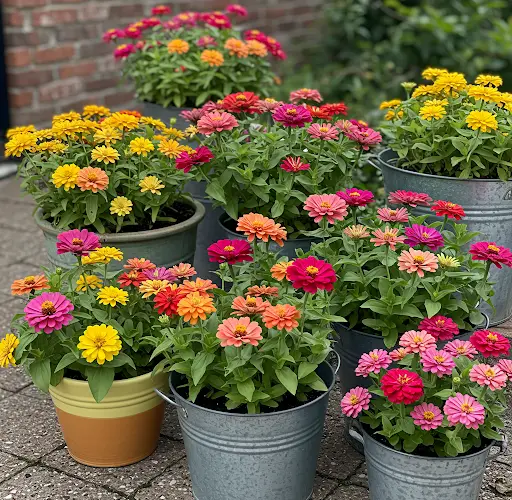
Zinnias are cheerful, vibrant flowers that can brighten up any garden or patio. Among the many varieties, dwarf or mini zinnias are especially well-suited for container gardening. These compact plants pack all the beauty of full-sized zinnias into a smaller, more manageable form, making them perfect for growing in pots. Whether you’re new to gardening or looking to add some color to your outdoor space, this guide will walk you through the process of growing dwarf or mini zinnias in pots from seed.
Why Choose Dwarf or Mini Zinnia?
Dwarf zinnias, also known as mini zinnias, are smaller versions of the popular full-sized zinnia plant. They typically grow to about 8–18 inches in height, depending on the variety, and produce an abundance of colorful flowers in shades of red, orange, yellow, pink, and purple. Their compact size makes them ideal for containers, and they can thrive in small spaces such as balconies, patios, or window boxes.
Dwarf zinnias are easy to grow from seed, require minimal care, and are perfect for both beginners and experienced gardeners. They also attract pollinators, making them a great addition to any garden.
Choosing the Right Container
The first step in growing dwarf zinnias in pots is selecting the right container. Zinnias have relatively shallow root systems, but they still need a pot that’s large enough to accommodate their growth. A container that is at least 8–10 inches in diameter and has good drainage will be perfect for growing dwarf zinnias.
Plastic, ceramic, or terracotta pots all work well, as long as they have drainage holes at the bottom. Zinnias do not like their roots to sit in water, so make sure the pot allows excess water to drain freely. If you don’t have a pot with drainage holes, you can either drill some holes yourself or use a container liner with holes.
When to Start Dwarf Zinnia Seeds
Dwarf zinnias are warm-season flowers, and it’s best to start them indoors 6–8 weeks before the last frost date in your region. This gives the seeds enough time to germinate and grow strong before being transplanted outdoors.
You can also directly sow dwarf zinnia seeds outdoors once the danger of frost has passed and the soil has warmed to at least 60°F (16°C). However, starting the seeds indoors allows you to get a jump on the growing season and gives your plants more time to bloom.
Supplies You’ll Need
To grow dwarf zinnias from seed, you’ll need a few basic supplies:
-
Dwarf zinnia seeds
-
Seed-starting mix or a light, well-draining potting soil
-
Seed trays or small pots for starting the seeds indoors
-
Containers for transplanting
-
Plastic cover or clear plastic bag (optional)
-
Watering can or spray bottle
Starting Dwarf Zinnia Seeds
-
Prepare the Seed Tray or Pots: Fill a seed tray or small pots with a light, well-draining seed-starting mix. You can also use a regular potting soil, as long as it drains well. Moisten the mix lightly before planting to ensure it’s damp but not soaking wet.
-
Sow the Seeds: Plant the zinnia seeds about 1/4 inch deep in the soil. Space the seeds about 1–2 inches apart in a seed tray, or place 1–2 seeds per small pot. Zinnia seeds are fairly large, so they are easy to handle and plant.
-
Provide Warmth and Light: Place the seed tray or pots in a warm, sunny location. Zinnia seeds need warmth to germinate, so aim for a temperature of about 70°F–75°F (21°C–24°C). If starting indoors, you can use a seedling heat mat to help maintain the right temperature.
-
Germination: Zinnia seeds typically take 7–10 days to germinate. Once the seedlings appear, move them to a spot with bright, indirect light. Avoid placing them in direct sunlight until they’re a bit stronger, as young seedlings can be sensitive to harsh sun.
-
Thinning the Seedlings: Once the seedlings have developed their first set of true leaves, thin them out by removing the weaker plants, leaving the strongest seedling in each pot. This will prevent overcrowding and allow the remaining plants to grow strong and healthy.
Transplanting Dwarf Zinnia Seedlings into Pots
Once your dwarf zinnia seedlings have grown large enough to handle and the danger of frost has passed, it’s time to transplant them into their final containers.
-
Prepare the Containers: Fill the selected pots with a high-quality potting mix. Make sure the pots have drainage holes to prevent water from accumulating at the bottom.
-
Transplant the Seedlings: Gently remove the seedlings from their seed-starting pots, being careful not to damage the roots. Place each seedling into its new container, ensuring the soil level is the same as it was in the smaller pot. Press the soil gently around the roots to remove air pockets.
-
Water Thoroughly: After transplanting, water the seedlings well to help them settle into their new containers. Be sure to water gently, as young plants can be sensitive to overwatering.
Sunlight and Temperature Requirements
Dwarf zinnias thrive in full sun, requiring at least 6 hours of direct sunlight per day. Choose a sunny spot for your pots, such as a balcony or patio, where they will get plenty of light throughout the day.
Zinnias are heat-loving plants and grow best when temperatures range between 70°F and 85°F (21°C and 29°C). If temperatures dip below 50°F (10°C), your zinnias may stop growing, so be sure to protect them from frost.
Watering and Fertilizing
Dwarf zinnias need regular watering, especially during dry spells. Water the plants when the top inch of soil feels dry to the touch. Be sure to water at the base of the plant to avoid getting the foliage wet, which can promote disease.
Fertilize your zinnias every 4–6 weeks with a balanced, water-soluble fertilizer to encourage healthy growth and abundant blooms. Avoid over-fertilizing, as this can lead to excessive leaf growth at the expense of flowers.
Deadheading and Maintenance
To encourage continuous blooming, regularly deadhead spent flowers by cutting them off just above the first set of leaves. This will help prevent the plant from going to seed and will encourage the production of new blooms. Zinnias are fairly low-maintenance, but removing dead flowers will help keep the plants looking tidy and vibrant.
Final Thoughts
Growing dwarf zinnias in pots from seed is a simple and rewarding gardening project. These compact flowers bring bold color and beauty to any container garden, making them a great choice for small spaces or balconies. With the right care, your dwarf zinnias will produce a stunning display of blooms all season long, attracting pollinators and brightening up your outdoor space.


