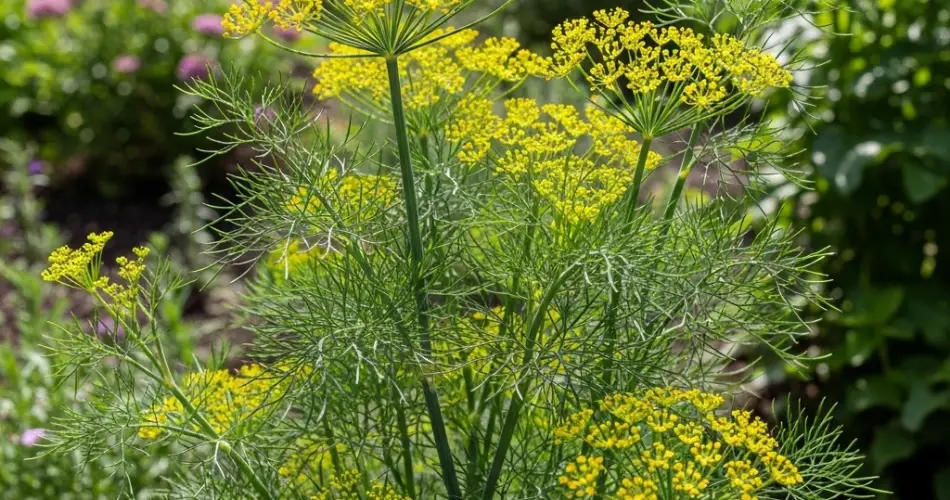
Dill (Anethum graveolens) is a flavorful and aromatic herb widely used in cooking, from pickles to fish dishes and salad dressings. It’s also prized in the garden for its feathery foliage, delicate yellow blooms, and ability to attract pollinators like bees and butterflies. While dill thrives in full sun, it can still be successfully grown in partial shade with a few careful adjustments. If your garden gets limited sunlight, don’t worry—this guide will show you how to grow healthy, productive dill even in shadier conditions.
Can Dill Grow in Partial Shade?
Yes, dill can grow in partial shade, especially if it receives at least 4 to 6 hours of sunlight daily. While full sun (6+ hours) is ideal for strong growth and seed production, dill is relatively adaptable. In cooler climates or during the hot summer months, partial shade may actually help prevent bolting and extend the plant’s productive life.
Benefits of Growing Dill in Partial Shade
-
Reduces heat stress: Dill can bolt (go to seed) quickly in hot weather. Partial shade slows this process.
-
Extends harvest window: Shaded environments may help delay flowering, giving you more time to harvest fresh leaves.
-
Protects from harsh afternoon sun: This is especially beneficial in regions with intense summer heat.
-
Suits small space gardens: Partial shade areas near fences, walls, or under taller plants can be put to good use.
Choosing the Right Spot
To successfully grow dill in partial shade, observe your garden throughout the day. Ideal locations include:
-
Eastern-facing beds that receive gentle morning sun and afternoon shade.
-
Spots shaded by taller vegetables like corn or tomatoes.
-
Under tree canopies that allow dappled light.
-
Patios or balconies that get light for only part of the day.
Be cautious of deep shade or areas with poor airflow—dill still needs light to grow strong and resist fungal diseases.
Preparing the Soil
Dill prefers loose, well-drained soil rich in organic matter. When growing in partial shade, good soil becomes even more important to support healthy foliage. Here’s how to prepare the soil:
-
Loosen the soil to a depth of 12 inches to support the long taproot.
-
Add compost to enrich the soil and improve drainage.
-
Check pH levels—dill prefers slightly acidic to neutral soil (pH 6.0–7.0).
-
Avoid heavy fertilization—too much nitrogen can lead to leggy, weak plants.
Sowing Dill Seeds in Shade
Dill grows best when directly sown in the ground, as it doesn’t transplant well due to its long taproot. Here’s how to sow dill in partially shaded areas:
-
Timing: Sow seeds in spring after the last frost or in fall in mild climates.
-
Depth: Sow seeds about ¼ inch deep.
-
Spacing: Thin seedlings to 12–15 inches apart once they sprout.
-
Successive planting: Sow a new batch every 2–3 weeks for a longer harvest period.
Dill germinates within 10–14 days in warm soil. In partial shade, it may take a few days longer, so be patient.
Watering and Care in Shade
In partially shaded areas, moisture tends to last longer in the soil. Adjust your watering schedule accordingly:
-
Water regularly, but avoid waterlogged soil. Dill prefers moist but not soggy conditions.
-
Mulch lightly around the base to retain moisture and suppress weeds.
-
Prune flower heads if you want to prolong leaf production.
In areas with high humidity and less air circulation, watch for powdery mildew. Provide space between plants for airflow and remove any infected leaves promptly.
Harvesting Dill in Partial Shade
-
Leaf harvest: Begin snipping dill leaves when the plant is 8 inches tall. Pick from the outer leaves first.
-
Seed harvest: If you let some plants flower, you can harvest the seeds once the seed heads dry and turn brown.
Plants grown in partial shade may produce fewer seeds than those in full sun, but the leaves remain flavorful and tender longer.
Companion Planting Benefits
Dill pairs well with many vegetables and herbs, even in shaded spaces. Consider planting dill near:
-
Lettuce and spinach: The scent of dill can repel pests like aphids.
-
Broccoli and cabbage: Dill attracts beneficial insects that prey on common brassica pests.
-
Onions and garlic: These also deter pests and complement dill’s flavor.
Avoid planting dill near carrots or fennel, as they can compete or cross-pollinate unfavorably.
Final Tips for Shade-Grown Dill
-
Choose slow-bolting dill varieties, such as ‘Bouquet’ or ‘Fernleaf’, for better leaf production in shade.
-
If growing in containers, move pots to sunnier spots for part of the day when possible.
-
Rotate your dill planting locations each season to avoid pest and disease buildup.
Conclusion
Dill is a versatile herb that can adapt to less-than-ideal light conditions when cared for properly. Growing dill in partial shade is not only possible but can actually yield lush, tender leaves for longer. With the right site, soil preparation, and ongoing care, you can enjoy a steady supply of fresh dill even in the shadier corners of your garden.


