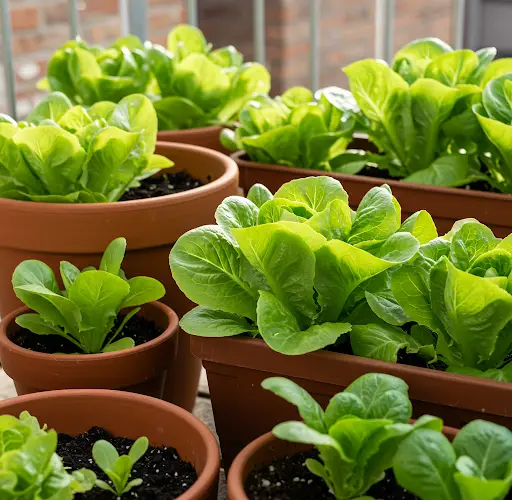
Cutting lettuce, also known as leaf lettuce, is one of the easiest and most rewarding leafy greens to grow at home. Among the most striking varieties is Sea of Red, a vibrant and flavorful red lettuce that adds both color and nutrition to salads and dishes. This variety is perfect for container gardening, and with the cut-and-come-again method, you can enjoy multiple harvests from a single planting.
In this guide, you’ll learn how to grow Sea of Red cutting lettuce from seed—step-by-step—from sowing to harvesting, including tips to get the most out of your leafy crop.
Why Choose Sea of Red Lettuce?
Sea of Red is a cutting-type leaf lettuce known for its brilliant red-purple leaves. It’s an excellent choice for those looking to grow a visually appealing crop with a sweet, mild flavor and tender texture.
Benefits of growing Sea of Red lettuce:
-
Fast-growing and perfect for small spaces
-
Ideal for harvesting leaf-by-leaf
-
Great source of vitamins A and K, antioxidants, and anthocyanins
-
Heat-tolerant compared to some green lettuce varieties
-
Beautiful in edible landscapes and salad bowls
This variety can be harvested as a baby leaf lettuce or allowed to grow fuller before cutting, making it a versatile addition to any home garden.
Step 1: Selecting a Container
Cutting lettuce doesn’t require deep soil, but it does need enough space to spread and develop multiple leaves.
-
Recommended size: 6–8 inches deep, with at least 12 inches of surface area
-
Type: Plastic trays, window boxes, shallow garden pots, or even repurposed containers
-
Drainage: Ensure there are sufficient holes to prevent waterlogging
If you’re growing indoors, choose containers that fit well on a windowsill or under grow lights.
Step 2: Preparing the Growing Medium
Use a high-quality, lightweight potting mix that holds moisture without becoming soggy.
-
Add compost or worm castings to enrich the soil naturally
-
Avoid heavy or compacted soil which can limit root development
-
The optimal pH range is 6.0–7.0
Sea of Red lettuce prefers moist, nutrient-rich environments. Mix in an all-purpose organic fertilizer before planting to give seeds a healthy start.
Step 3: Sowing the Seeds
Sea of Red cutting lettuce can be directly sown into the container or started indoors.
How to sow:
-
Lightly moisten the soil.
-
Scatter seeds evenly over the surface—no need to worry too much about spacing if you’re harvesting as baby leaves.
-
Cover the seeds with a thin layer of soil or compost—about 1/8 to 1/4 inch deep.
-
Gently press down and mist with water.
-
Place the container in a sunny spot or under grow lights.
Seeds typically germinate within 5 to 10 days, depending on temperature.
Step 4: Light and Temperature
Lettuce grows best in cool weather, but Sea of Red is more tolerant of warmer conditions than many lettuce varieties.
-
Provide 6 hours of sunlight daily, or use a grow light if indoors
-
Ideal temperature range is 45°F to 70°F (7°C to 21°C)
-
In hot weather, provide partial shade to prevent bolting
For spring and fall planting, full sun is best. During summer, protect from intense afternoon heat.
Step 5: Watering and Feeding
Lettuce requires consistent moisture for tender leaves and optimal growth.
-
Keep the soil evenly moist but not soggy
-
Use a watering can or gentle spray to avoid displacing young seedlings
-
Apply a diluted liquid fertilizer (like fish emulsion or compost tea) every 2–3 weeks
Mulching the surface with straw or shredded leaves can help retain soil moisture and prevent weeds.
Step 6: Thinning and Growing On
Once seedlings reach about 2 inches tall, thin them to about 2–3 inches apart. Use the thinned seedlings in your next salad!
This spacing allows the remaining plants to develop fuller leaves. If you’re growing for baby greens, thinning isn’t strictly necessary—you can harvest densely planted lettuce earlier.
Step 7: Harvesting Sea of Red Lettuce
You can begin harvesting baby leaves in as little as 25–30 days after sowing. Use clean scissors or garden shears to snip leaves 1 inch above the base of the plant.
There are two harvesting methods:
-
Cut-and-come-again: Harvest outer leaves while allowing inner leaves to keep growing.
-
Full cut: Trim all leaves at once, leaving about an inch above the soil. In ideal conditions, the plant may regrow for another harvest.
Regular harvesting encourages new growth and delays bolting.
Step 8: Pest and Disease Management
Sea of Red lettuce is generally easy to care for, but a few pests may show up:
-
Aphids: Use insecticidal soap or neem oil
-
Slugs and snails: Use copper tape or diatomaceous earth around containers
-
Downy mildew: Avoid overhead watering and improve airflow
Growing in containers helps reduce most pest problems, especially when kept off the ground.
Final Growing Tips
-
For a steady supply of lettuce, sow new seeds every 2–3 weeks
-
Harvest in the early morning for the best flavor and texture
-
Use shade cloth in the summer to reduce stress and prevent bitterness
Conclusion
Growing Sea of Red cutting lettuce from seed in containers is a beautiful and productive way to enjoy fresh greens at home. With its striking color, fast growth, and sweet flavor, this variety stands out in both the garden and the kitchen. Whether you’re harvesting baby leaves or waiting for a fuller bouquet, this lettuce rewards you with multiple harvests and easy care.
Add it to your salad garden and enjoy vibrant, homegrown greens from seed to harvest—all season long.


