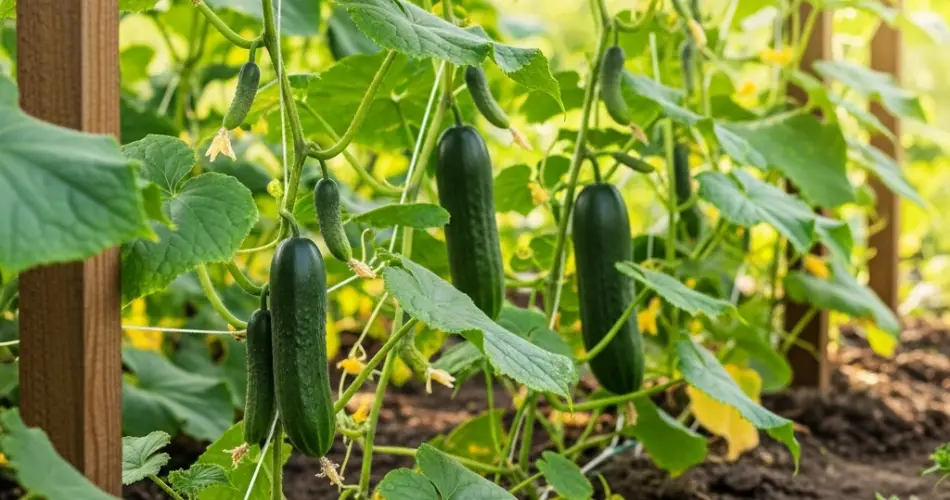
Crisp, refreshing, and incredibly versatile, cucumbers are a summer garden favorite—and the good news is, they’re one of the easiest vegetables to grow, even for complete beginners. With just a bit of sunlight, water, and care, you can enjoy a steady supply of homegrown cucumbers straight from your garden.
Whether you have a spacious backyard or a modest patch of soil, cucumbers are quick to reward your effort. Here’s a complete beginner-friendly guide to growing cucumbers in your garden with confidence and success.
Why Grow Cucumbers at Home?
Store-bought cucumbers can’t compare to the fresh, juicy ones grown in your own garden. Homegrown cucumbers have better flavor, fewer chemicals, and cost far less. Plus, the plants grow quickly and can produce heavily throughout the season.
They’re also great for:
-
Fresh salads and snacks
-
Pickling
-
Infused drinks
-
Relieving heat in warm weather
Even if you’ve never grown vegetables before, cucumbers are a fantastic starting point.
Choosing the Right Variety
There are two main types of cucumbers: slicing cucumbers (for fresh eating) and pickling cucumbers (for preserving). Within these, you’ll find bush and vining varieties.
Best beginner-friendly options:
-
Bush Champion – Compact and ideal for small gardens or containers.
-
Marketmore 76 – Reliable, disease-resistant, and great for slicing.
-
Picklebush – Short vines, perfect for pickling and small spaces.
-
Straight Eight – Popular heirloom with smooth, straight fruits.
Check the seed packet for growing habits—bush varieties stay compact, while vining types need trellising.
When and Where to Plant
Cucumbers love warmth. Plant them after the danger of frost has passed and when soil temperatures consistently reach at least 60°F (16°C).
Choose a spot in your garden that gets 6–8 hours of sunlight daily. The more sun they receive, the more productive they’ll be.
Preparing the Soil
Cucumbers grow best in loose, well-draining soil rich in organic matter. Prepare your garden bed with these steps:
-
Loosen the Soil: Work the soil to a depth of 8–12 inches.
-
Add Compost: Mix in compost or well-rotted manure to improve fertility and drainage.
-
Check pH: Aim for a slightly acidic to neutral pH (6.0–7.0).
If your soil is heavy clay, consider raised beds or mounded rows to improve drainage.
Planting Seeds or Seedlings
Direct seeding is easy and effective:
-
Sow seeds 1 inch deep and 12 inches apart in rows or hills.
-
For hills, plant 3–4 seeds per mound and thin to the two strongest seedlings.
-
Water gently but thoroughly after planting.
Transplanting seedlings can give you a head start, especially in cooler regions. Be gentle with roots to avoid transplant shock.
Supporting Your Plants
Vining cucumbers benefit from support, especially in small gardens:
-
Use trellises, cages, or netting to lift vines off the ground.
-
Vertical growth improves air circulation, saves space, and keeps fruits clean.
Bush types don’t require support but appreciate a mulch layer to keep soil moist and suppress weeds.
Watering and Feeding
Cucumbers need consistent watering—about 1 inch per week, more during hot spells.
-
Water at the base of the plant to keep leaves dry and prevent disease.
-
Mulch with straw or compost to retain moisture.
Feed plants every 3–4 weeks with a balanced vegetable fertilizer or compost tea. Over-fertilizing can lead to lots of leaves but fewer fruits, so don’t overdo it.
Common Problems and Solutions
Even beginners can avoid most problems with a bit of attention:
-
Yellow leaves: Could mean overwatering, poor drainage, or a nitrogen deficiency.
-
Powdery mildew: Appears as white spots on leaves; improve airflow and avoid overhead watering.
-
Cucumber beetles: Small yellow-and-black pests; hand-pick them or use floating row covers early in the season.
Inspect plants regularly to catch problems early.
Harvesting Cucumbers
Cucumbers grow quickly—check plants every day once they start fruiting.
-
Harvest when the cucumbers are firm and have reached full size for the variety.
-
Don’t wait too long; overripe cucumbers turn bitter and stop the plant from producing more.
-
Use garden scissors or a knife to avoid damaging the plant when picking.
Regular harvesting encourages continued production.
Final Tips for Success
-
Rotate crops yearly to prevent soil-borne diseases.
-
Companion planting: Grow cucumbers with radishes, lettuce, or marigolds to deter pests and maximize space.
-
Watch for flowers: Female flowers (with a tiny fruit behind them) need pollination. Bees usually handle this, but you can assist with a small brush if necessary.
Conclusion
Even with zero gardening experience, you can grow a healthy crop of cucumbers in your own garden. They’re fast-growing, forgiving, and deeply satisfying to harvest. With sunlight, good soil, and regular care, you’ll be surprised how easy it is to enjoy fresh, homegrown cucumbers all season long.
Start small, stay consistent, and watch your green thumb grow along with your plants.


