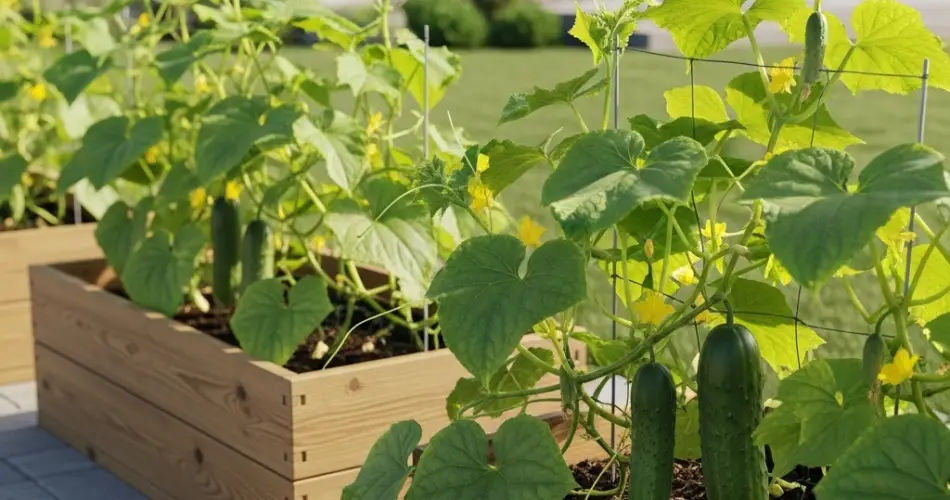
Cucumbers are a refreshing and versatile crop enjoyed in salads, pickles, and countless recipes. While they are often associated with sprawling garden plots, cucumbers can also be grown successfully in containers. Wooden boxes, with their rustic charm and practicality, make excellent planters for this vining vegetable. They provide ample space for root development, allow proper drainage, and bring a natural aesthetic to your balcony, patio, or small garden. If you want to enjoy fresh cucumbers straight from your own rustic containers, here’s a detailed guide to help you get started.
Step 1: Choosing the Right Wooden Container
Cucumbers need plenty of room to spread, so selecting the proper container is essential.
-
Size requirements: A wooden box should be at least 12–18 inches deep and 18–24 inches wide. This ensures the roots have enough depth to establish.
-
Drainage holes: Drill several holes at the bottom to prevent waterlogging. Excess moisture can lead to root rot and disease.
-
Durability: Use untreated wood, such as cedar or pine, which is safe for edible plants. If you are repurposing an old crate, line it with landscape fabric or burlap to help retain soil while still allowing drainage.
Step 2: Selecting Cucumber Varieties
Not all cucumbers are equally suited for container growing. When planting in wooden boxes, compact and bush varieties often work best.
-
Bush cucumbers: Varieties like Bush Champion or Spacemaster are bred for smaller spaces.
-
Vining cucumbers: These can also thrive in containers if you provide strong support such as a trellis.
-
Pickling cucumbers: Shorter-fruited types adapt well to confined spaces.
Choosing the right variety helps you maximize productivity in a limited area.
Step 3: Preparing the Soil Mix
Healthy soil is the foundation of successful cucumber growth. Cucumbers thrive in fertile, well-draining soil that retains some moisture.
-
Base soil: Use a high-quality potting mix rather than garden soil, which can compact in containers.
-
Compost: Incorporate compost or well-rotted manure to boost fertility.
-
Aeration: Add perlite or coco coir to keep the soil light and well-drained.
-
pH level: Aim for a slightly acidic to neutral range, around 6.0 to 7.0.
Step 4: Planting Cucumbers in the Wooden Box
You can start cucumbers from seeds or young transplants.
-
Sow seeds directly into the container once temperatures are consistently warm (above 65°F / 18°C).
-
Depth: Plant seeds about 1 inch deep and space them 6–8 inches apart.
-
Thinning: If multiple seedlings sprout too close, thin them so the strongest remain.
-
Transplants: If using seedlings, handle them gently and plant them at the same depth as they were in their nursery pots.
Step 5: Providing Support for Vines
If you’re growing vining cucumbers, support is essential. Install stakes, cages, or a trellis when planting to avoid disturbing the roots later.
-
Trellis: Place it at the back of the wooden box to guide vines upward.
-
Cages: Tomato cages also work well for cucumbers.
-
Ties: Use soft ties or strips of fabric to secure vines gently without damaging them.
Supporting the plants vertically not only saves space but also improves air circulation, reducing the risk of disease.
Step 6: Watering and Fertilizing
Cucumbers are water-loving plants, and consistent watering is crucial for plump, juicy fruits.
-
Deep watering: Water thoroughly so the moisture reaches the root zone.
-
Frequency: Check soil daily; wooden boxes can dry out faster than garden beds, especially in warm weather.
-
Avoid wet leaves: Water at the base of the plant to reduce fungal issues.
-
Fertilization: Start with a balanced fertilizer, then switch to one rich in potassium and phosphorus once flowers appear. Organic options such as compost tea or fish emulsion work wonderfully.
Step 7: Sunlight and Placement
Cucumbers thrive in warmth and sunlight. Position your wooden box in a location that receives at least 6–8 hours of direct sunlight daily. If you live in a very hot climate, a spot with partial afternoon shade can help prevent stress during peak heat hours.
Step 8: Maintenance and Care
Regular care will keep your cucumber plants healthy and productive.
-
Mulch: Apply straw or shredded leaves to retain soil moisture and regulate temperature.
-
Pruning: Pinch off yellowing leaves or excess side shoots to direct energy into fruiting.
-
Pollination: If growing in an area with limited pollinators, hand-pollinate by transferring pollen from male to female flowers with a small brush or cotton swab.
-
Pest control: Watch for aphids, cucumber beetles, and powdery mildew. Neem oil or insecticidal soap can help manage common problems.
Step 9: Harvesting Cucumbers
Cucumbers grow quickly, and regular harvesting encourages continuous production.
-
Timing: Harvest when cucumbers are firm, uniformly colored, and reach the size appropriate for their variety.
-
Frequency: Pick every few days to prevent overripe fruits, which can signal the plant to stop producing.
-
Cut, don’t pull: Use scissors or a knife to snip fruits from the vine, avoiding damage to the plant.
Final Thoughts
Growing cucumbers in rustic wooden containers is a practical and rewarding way to enjoy fresh produce, even in small spaces. With the right container, soil preparation, and regular care, you can harvest crisp cucumbers throughout the season. Whether you prefer slicing them for salads, pickling them for storage, or eating them fresh off the vine, container-grown cucumbers bring the joy of home gardening right to your doorstep.


