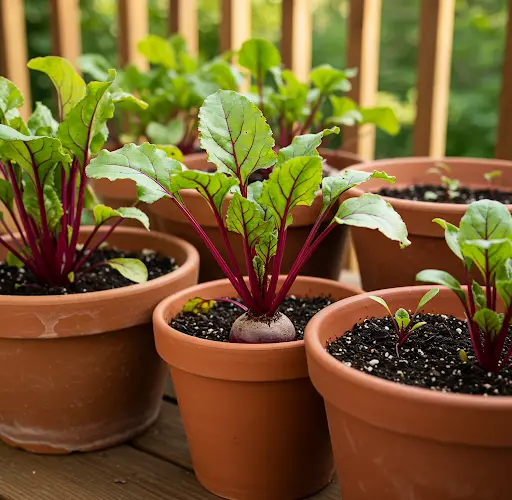
Beets are a highly rewarding root crop that can be successfully grown in containers or grow bags, making them perfect for small spaces, balconies, or raised patios. Both the roots and leafy greens are edible, nutritious, and versatile in the kitchen. Whether you’re growing for the deep red roots or the tasty greens, this guide will walk you through how to grow beets from seed in containers—from planting to harvest.
1. Why Grow Beets in Containers or Grow Bags?
Beets don’t need much space and grow quickly, making them ideal for container gardening. Here are some benefits:
-
You can control soil quality and drainage.
-
Fewer problems with weeds and soil-borne pests.
-
Ideal for gardeners with limited ground space.
-
Easy to move for optimal sunlight exposure.
Grow bags, fabric pots, and wide containers provide the perfect growing environment for healthy beet development.
2. Choosing the Right Container
Beets develop underground, so container depth and width are important for root expansion.
Ideal container requirements:
-
Depth: Minimum 10–12 inches
-
Width: At least 12–18 inches to fit multiple plants
-
Drainage: Ensure multiple drainage holes or use breathable fabric grow bags
A 5 to 10-gallon grow bag works well for 6–10 beet plants, depending on spacing.
3. Preparing the Potting Mix
Beets need loose, well-draining, nutrient-rich soil to develop smooth, round roots.
Recommended potting mix:
-
2 parts organic potting soil
-
1 part compost or worm castings
-
1 part sand or perlite for drainage
Avoid heavy, compacted soil, which can restrict root growth and lead to misshapen beets.
4. Sowing Beet Seeds
Beet seeds are actually clusters containing several seeds, so you’ll usually get multiple seedlings per cluster.
Steps to sow beet seeds:
-
Soak seeds in water for 6–12 hours before planting to improve germination.
-
Plant seeds about ½ inch deep and 2 inches apart in rows or a grid pattern.
-
Lightly cover with soil and water gently.
-
Keep soil moist but not soggy during germination, which typically takes 5–10 days.
Beets prefer cooler temperatures, ideally between 50–75°F (10–24°C). You can grow them in early spring or fall for best results.
5. Light and Temperature Needs
Beets need full sun—at least 6 hours of direct sunlight per day—to grow robust roots and vibrant leaves.
In hot climates, some light afternoon shade can help prevent heat stress. In cooler zones, beets grow best during spring and fall when temperatures are mild.
6. Thinning and Spacing
Because beet seeds produce multiple sprouts, thinning is essential.
-
Once seedlings are 2–3 inches tall, thin to 3–4 inches apart, snipping extras at the soil line.
-
Don’t waste the thinnings—they can be used in salads as nutritious microgreens.
Proper spacing ensures each beet has enough room to form a healthy, rounded root.
7. Watering and Feeding
Beets prefer evenly moist soil throughout the growing season.
Watering tips:
-
Water consistently to keep the soil moist but not waterlogged.
-
Avoid letting the soil dry out completely, which can cause woody roots.
Feeding:
-
Mix compost or a slow-release organic fertilizer into the soil before planting.
-
Supplement with a liquid fertilizer high in potassium and phosphorus (like seaweed extract) every 2–3 weeks for better root development.
-
Avoid too much nitrogen, which leads to leafy growth at the expense of root size.
8. Caring for Your Beets
Beets are generally low-maintenance, but keep an eye out for:
-
Pests: Watch for leaf miners and aphids. Neem oil or insecticidal soap can help.
-
Diseases: Avoid overhead watering and overcrowding to prevent fungal issues.
Mulching the surface of the soil can help retain moisture and suppress weeds, even in containers.
9. Harvesting Beets
Beets are typically ready to harvest 45–70 days after sowing, depending on the variety.
How to harvest:
-
Roots are best picked when they’re 1.5 to 3 inches in diameter—tender and flavorful.
-
Gently loosen the soil and pull up the beet by the base of the leaves.
-
Don’t discard the greens—they’re edible and packed with nutrients.
Harvest in stages for a continuous supply, or pull the entire batch when the roots are mature.
10. Succession Planting and Storage
To enjoy beets throughout the season:
-
Sow new seeds every 2–3 weeks for a continuous harvest.
-
Beets store well in the fridge or a root cellar for several weeks.
-
Remove leaves before storing roots to prevent moisture loss.
Final Tips for Success
-
Choose fast-maturing or container-friendly beet varieties like ‘Detroit Dark Red’, ‘Golden’, or ‘Chioggia’.
-
Use light-colored grow bags or containers in warm climates to avoid overheating.
-
Grow both for the roots and the greens for maximum value and flavor.
Growing beets in containers or grow bags is a simple and efficient way to produce fresh, flavorful roots in even the smallest garden spaces. With just a little care, you can go from seed to harvest in under two months—and enjoy every part of this amazing plant.


