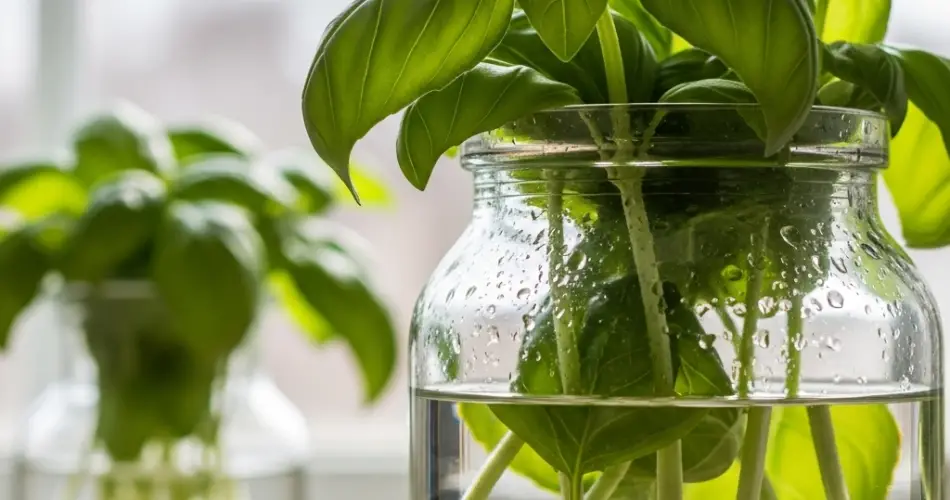
Basil is one of the most popular culinary herbs thanks to its sweet aroma and versatility in the kitchen. Traditionally grown in soil, basil can also thrive in water alone, making it an excellent option for those who want to enjoy fresh herbs indoors without the mess of dirt. Whether you’re short on space or simply curious about hydroponic growing, cultivating basil in water is a fun and efficient way to keep your herb supply fresh year-round.
Why Grow Basil in Water?
Growing basil in water, also known as hydroponic propagation, has several advantages. It eliminates the need for potting soil, which can be messy and may attract pests indoors. Water-grown basil is also easier to maintain, requires less frequent attention, and takes up minimal space—perfect for kitchens, windowsills, or apartments with limited gardening options. Additionally, once established, basil cuttings can produce fresh leaves for weeks, sometimes even months.
What You’ll Need
To grow basil in water, you’ll need just a few simple materials:
-
Healthy basil cuttings (from a plant or the grocery store)
-
A clean glass jar or container
-
Fresh, chlorine-free water
-
A sunny windowsill or grow light
Step-by-Step Guide to Growing Basil in Water
1. Choose the Right Basil Cuttings
Start with fresh, healthy basil stems that are at least 4–6 inches long. You can use cuttings from an existing plant or purchase a bunch of fresh basil from the store. Look for stems that are green, firm, and free from disease or wilting.
2. Prepare the Cuttings
Using a clean pair of scissors or pruning shears, snip the basil stem just below a leaf node—the point where leaves emerge from the stem. Remove the leaves from the bottom two inches of the cutting to prevent them from sitting in water and rotting. Leave several sets of leaves at the top to allow photosynthesis.
3. Place Cuttings in Water
Fill a small glass or jar with fresh, room-temperature water. Avoid using chlorinated tap water, as chlorine can harm the delicate roots. If your tap water contains chlorine, let it sit out for 24 hours to allow the chlorine to dissipate. Submerge the lower part of the basil stem in the water, ensuring that the stripped nodes are underwater while the remaining leaves stay above the surface.
4. Provide Adequate Light
Basil loves sunlight, so place your container in a bright spot that receives at least 6 hours of indirect sunlight per day. A south-facing windowsill is ideal. If natural light is limited, you can supplement with an LED grow light to help the plant thrive.
5. Change the Water Regularly
To prevent bacterial growth and ensure healthy root development, change the water every 2–3 days. Rinse the container thoroughly before refilling it with fresh water. Clean water keeps the environment oxygenated and helps the roots develop faster.
6. Wait for Roots to Grow
Within a week or so, you should start to see tiny roots forming at the leaf nodes. These roots will continue to grow and strengthen over the next two to three weeks. Once the roots are 2–3 inches long, the plant is well established and can continue growing in water indefinitely or be transplanted to soil if preferred.
7. Harvest with Care
As the basil grows, pinch off the top sets of leaves to encourage bushier growth and prevent the plant from becoming leggy. Harvest regularly by snipping leaves just above a leaf pair, which will stimulate new shoots and extend the life of your plant.
Tips for Success
-
Avoid Direct Midday Sunlight: While basil loves light, harsh midday sun through a window can overheat the plant or the water. Filtered light or morning sun is best.
-
Watch for Mold or Rot: If leaves start to turn black or if you notice a foul smell, change the water immediately and remove any unhealthy parts of the plant.
-
Keep the Water Level Consistent: Ensure that the roots stay submerged at all times. If the water evaporates too quickly, top it off with fresh water.
Can You Keep Basil in Water Forever?
Yes, basil can continue to live in water for a long time as long as it has enough light and fresh water. However, like all herbs, it will eventually start to decline over time. For longer-term results, consider rotating in new cuttings every couple of months or transplanting to soil once the roots are strong.
Final Thoughts
Growing basil in water is a simple, low-maintenance method to enjoy fresh herbs without soil. It’s ideal for beginners, apartment dwellers, or anyone looking to keep a green touch in the kitchen. With just a glass of water, a bit of sunlight, and occasional attention, you can have a steady supply of basil ready whenever you need it.


