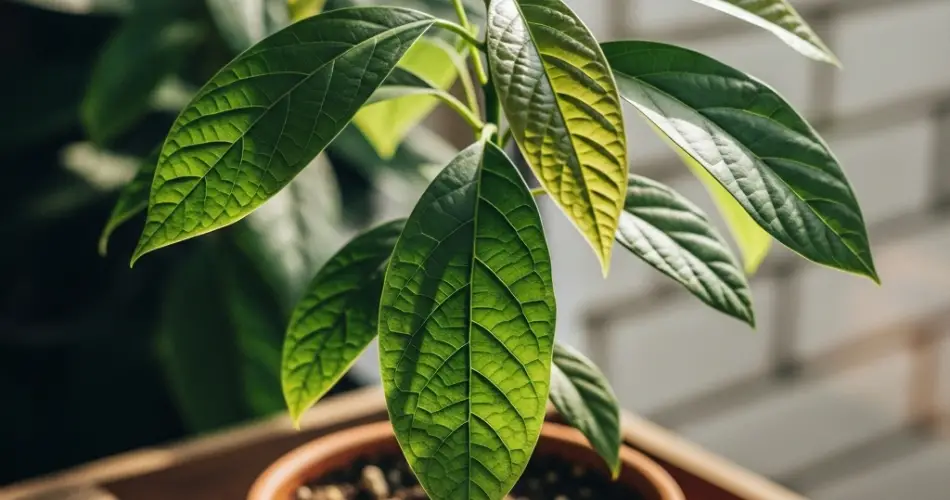
Growing an avocado tree from a simple kitchen scrap might sound like a long shot, but it’s surprisingly easy and incredibly satisfying. With a bit of patience and a few household items, you can transform an avocado pit into a thriving plant right on your windowsill. Whether you’re doing it for fun, for greenery, or with the hope of eventually growing fruit, here’s how to start your avocado journey with minimal effort.
1. Save the Pit
The next time you enjoy a fresh avocado, don’t throw the pit away. Instead, give it a rinse under water to remove any remaining fruit. Be gentle — don’t scrub too hard or remove the brown skin, which protects the seed.
Let the pit dry on a paper towel for a day or two at room temperature. This makes it easier to handle and reduces the risk of rot when you start the sprouting process.
2. Determine the Top and Bottom
Before sprouting, it’s important to identify which end of the pit should face up. The broader, flatter end is the bottom (where the roots will grow), while the slightly pointier end is the top (where the stem will emerge).
Knowing the orientation is key to successful rooting and sprouting.
3. Use the Toothpick Method
One of the most popular methods to sprout an avocado seed involves suspending it in water:
-
Insert three to four toothpicks around the pit’s circumference near the top.
-
Rest the toothpicks on the rim of a glass so the bottom of the pit sits in water, while the top stays dry.
-
Fill the glass with enough water to cover about an inch of the pit’s bottom.
Place the glass in a warm, bright spot — a sunny windowsill works best. Change the water every few days to prevent mold and bacteria buildup.
4. Wait for Sprouting
This is the part that requires patience. It can take anywhere from 2 to 8 weeks for the pit to sprout. First, the outer skin will crack, then a root will emerge from the bottom, followed by a small stem shooting up from the top.
Once the stem reaches about 6 inches tall, trim it back to 3 inches to encourage stronger growth. When it reaches 6 inches again and has a healthy root system, it’s ready to be planted.
5. Transplant to Soil
Once the pit has a sturdy root system and a growing stem, it’s time to move it into soil. Choose a pot around 8–10 inches in diameter with good drainage holes.
Fill the pot with a well-draining potting mix and plant the pit with the top half exposed above the soil. Water it thoroughly and place the pot in a sunny, warm location.
Avocado plants love light, so make sure it gets at least 6 hours of sunlight daily. If you don’t have a bright window, consider using a grow light to supplement natural light.
6. Ongoing Care
Keep the soil moist but not soggy. Avocados dislike overly wet roots, so water only when the top inch of soil feels dry. During active growth (spring and summer), fertilize every 4–6 weeks with a balanced, water-soluble fertilizer to support healthy foliage and root development.
In winter, the plant’s growth will slow, so reduce watering and pause fertilization until spring returns.
7. Prune for Shape
To encourage a fuller plant, pinch off the top few sets of leaves once the stem grows beyond 12 inches. This promotes branching and a bushier shape.
Repeat this every few months as needed to maintain a compact and attractive plant.
8. Will It Bear Fruit?
While it’s absolutely possible to grow a fruit-bearing avocado tree from a seed, be prepared for a long wait — it can take 5 to 10 years before you see any fruit, and some trees grown from seed may never bear at all. For consistent fruiting, commercial growers usually use grafted trees.
Still, growing your own avocado plant is a fun, educational, and eco-friendly project that adds vibrant green life to your home.
9. Troubleshooting Tips
-
Yellowing leaves may indicate overwatering. Let the soil dry out a bit more between waterings.
-
Brown, dry leaf tips could be caused by low humidity or salt build-up from fertilizer. Try misting the plant occasionally and flush the soil with water every few months.
-
Leggy growth can result from too little light. Move your plant to a sunnier spot or supplement with artificial light.
Final Thoughts
Growing an avocado from a seed isn’t just about producing fruit — it’s about the joy of nurturing something from what would otherwise be discarded. It’s a small act of sustainability that can spark a love for gardening, and it adds beauty and greenery to your living space.
So the next time you slice into an avocado, don’t toss that pit. Give it a second life — and enjoy the surprisingly simple journey from kitchen scrap to houseplant.


