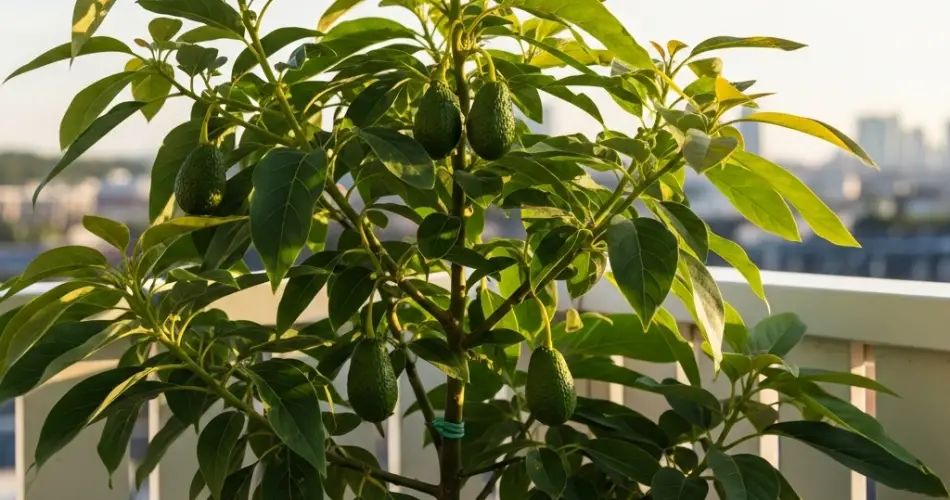
Avocados are not just delicious and nutritious—they’re also surprisingly easy to grow at home, even if you don’t have a garden. With a few simple techniques, you can cultivate an avocado tree right on your balcony. While growing an avocado indoors or on a balcony won’t immediately yield fruit, it’s a rewarding long-term project that can eventually lead to homegrown avocados.
Here’s everything you need to know to successfully grow avocado on your balcony, from choosing the right seed to caring for a young plant in a pot.
Step 1: Start from a Seed or Buy a Young Plant
You have two main options when starting your avocado journey:
-
Starting from Seed: If you enjoy DIY projects, you can grow your avocado tree from a pit. Carefully remove the seed from a ripe avocado, wash off any remaining flesh, and let it dry for a day or two. Then, insert three or four toothpicks around the seed and suspend it over a glass of water so that the bottom (the flatter end) is submerged. Place the glass in a warm, sunny spot and wait. In 2–6 weeks, you should see a root sprout from the bottom and a shoot grow from the top.
-
Purchasing a Young Tree: If you’re looking for faster results or want a tree that’s already been grafted (which is more likely to bear fruit), buy a young dwarf avocado plant from a nursery. Dwarf varieties are better suited to containers and small spaces like balconies.
Step 2: Choose the Right Container
Avocado trees need space for their roots to grow, but they can do well in large containers if properly managed.
-
Use a pot that is at least 12 to 15 inches in diameter and has good drainage holes.
-
As the tree grows, you may need to transplant it into a larger container, up to 20–24 inches.
-
Place a tray under the pot to catch any excess water and protect your balcony floor.
Choosing a light-colored pot can help prevent overheating during hot weather, especially on balconies that receive full sun.
Step 3: Select the Ideal Soil and Location
Avocado trees prefer loose, well-draining soil with a slightly acidic to neutral pH (6.0 to 7.0).
-
Use a high-quality potting mix, ideally formulated for citrus or tropical plants.
-
Mix in perlite or coarse sand to improve drainage.
-
Avoid heavy or clay-rich soils that retain too much moisture.
Place the pot in a sunny spot on your balcony, where the plant can receive 6 to 8 hours of direct sunlight per day. Avocados thrive in warmth and light, so a south- or west-facing balcony is ideal.
Step 4: Watering and Fertilizing
Watering is one of the most important parts of caring for an avocado tree, especially in a container.
-
Water the plant when the top inch of soil feels dry. Avoid letting the soil completely dry out or become waterlogged.
-
Ensure the pot drains well to prevent root rot.
-
In warmer months, your tree may need watering every 2–3 days; in cooler weather, once a week may be enough.
Feed your avocado tree with a balanced, slow-release fertilizer every 4–6 weeks during the growing season (spring through early fall). Look for one that includes nitrogen, phosphorus, potassium, and trace minerals like zinc and magnesium.
Step 5: Pruning and Training
Pruning helps control the size of your avocado tree and encourages branching for a fuller, bushier plant.
-
When your tree reaches about 12 inches tall, pinch off the top pair of leaves to encourage side growth.
-
Continue pruning lightly to shape the tree and prevent it from growing too tall for your space.
-
Support the main stem with a small stake if it starts leaning or becomes top-heavy.
Step 6: Pollination and Fruiting (Long-Term)
Avocado trees grown from seed may take 5 to 13 years to produce fruit, and even then, they may not match the fruit quality of the original avocado. Grafted trees from nurseries usually bear fruit in 3 to 5 years.
Most avocado varieties are self-fertile, but pollination can still be improved with the presence of another tree. On a balcony, hand-pollination using a small paintbrush to transfer pollen from flower to flower can help.
Step 7: Protection and Care
Avocado trees are sensitive to extreme cold, so if temperatures drop below 50°F (10°C), move the plant indoors or cover it with a protective cloth.
-
Watch out for pests like spider mites or aphids. You can rinse them off with water or use an organic insecticidal soap.
-
Remove any yellowing or dead leaves to keep the plant healthy.
-
Refresh the top layer of soil each spring and repot the plant every couple of years to prevent root binding.
Final Thoughts
Growing an avocado on your balcony is not only a fun and educational project, but it also brings a bit of greenery and tropical flair to your living space. While it takes time and patience to get fruit, the process of watching your tree grow from seed (or small plant) to a thriving specimen is deeply satisfying.
With the right care, sunlight, and love, your avocado tree will thrive in its container and may eventually reward you with creamy, homegrown avocados right outside your door.


