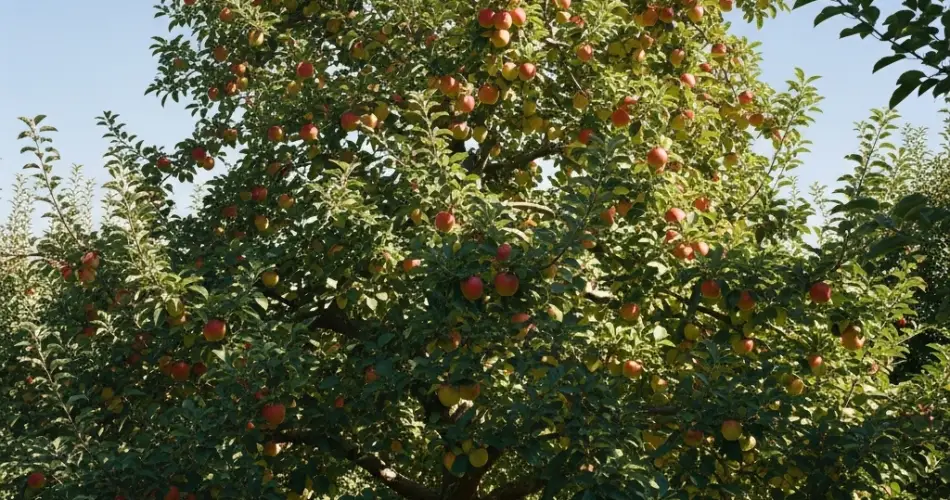
Dreaming of biting into a crisp, juicy apple straight from your own tree—but think you don’t have the space? Good news: growing apples in small spaces is not only possible, it’s easier than ever with the right variety, container, and care. Whether you live in a compact urban home, an apartment with a balcony, or simply want to make the most of a limited backyard, you can still enjoy homegrown apples.
By choosing dwarf or columnar apple trees and using containers or clever pruning techniques, you can grow these delicious fruits even in tight quarters.
Choosing the Right Apple Tree for Small Spaces
The key to growing apples in small spaces is selecting the appropriate variety. Standard apple trees grow too large for tight areas, but compact alternatives are available:
1. Dwarf Apple Trees
These trees grow to about 6–10 feet tall and wide. They’re ideal for small yards, patios, or raised beds. Popular dwarf rootstocks include M27 and M9.
2. Columnar Apple Trees
These are bred to grow upright with minimal branching, typically reaching 8–10 feet tall and only 2–3 feet wide. Perfect for balconies and narrow spaces, they produce full-size apples on a slender trunk.
3. Espaliered Apple Trees
This technique involves training a tree to grow flat against a wall or fence. With careful pruning, you can shape the tree horizontally to save space and add a decorative touch.
4. Miniature or Patio Varieties
Varieties like ‘Garden Delicious,’ ‘Ballerina,’ or ‘Golden Sentinel’ are bred for container growth and remain manageable in size.
Best Containers and Placement
If you’re growing apples in pots, choose a large, sturdy container with good drainage. A pot that’s at least 18–24 inches in diameter and depth will support healthy root growth.
Place the container in a sunny location—apple trees need at least 6–8 hours of direct sunlight daily for good fruit development. If growing on a balcony or patio, ensure the space gets morning to early afternoon light and is protected from strong winds.
Use high-quality potting soil mixed with compost, and place the container on pot feet or bricks to allow for drainage and airflow.
Pollination: Do You Need More Than One Tree?
Apples typically need cross-pollination from a different variety to set fruit. That means you’ll usually need at least two compatible trees that flower at the same time.
However, some varieties are self-pollinating (like ‘Golden Delicious’ or ‘Granny Smith’), which makes them perfect for small gardens. Alternatively, consider planting two different trees in the same pot or buying a grafted multi-variety tree that includes two or more cultivars on one trunk.
If space is extremely limited, placing another apple variety on a nearby balcony or yard—even a neighbor’s—can be enough for pollination.
Planting and Care Tips
1. Planting
-
Fill the container with well-draining soil and compost.
-
Set the tree so the graft union (the swollen area near the base of the trunk) is above the soil line.
-
Water thoroughly after planting and add a layer of mulch to retain moisture.
2. Watering
Container-grown apple trees dry out faster than those in the ground. Water when the top inch of soil feels dry, especially in hot weather. Avoid overwatering—roots should stay moist, not soggy.
3. Feeding
Use a balanced organic fertilizer in early spring and again in mid-summer. Avoid excessive nitrogen, which promotes leafy growth at the expense of fruit.
4. Pruning
Regular pruning helps maintain shape and encourages fruit production. Prune in late winter to remove dead, diseased, or crossing branches. For espalier or columnar trees, light pruning during the growing season can help maintain their shape.
Pest and Disease Management
Even small-space apple trees can attract pests like aphids, codling moths, or fungal diseases such as powdery mildew. Keep trees healthy with proper air circulation and sanitation.
-
Inspect leaves and fruit regularly.
-
Use insecticidal soap or neem oil for pests.
-
Clean up fallen leaves and fruit to prevent disease buildup.
-
Netting may be needed to protect fruit from birds or squirrels.
Harvesting Apples
Apples typically ripen in late summer to early fall, depending on the variety. You’ll know they’re ready when:
-
The fruit is full-sized and colored
-
It comes off easily with a gentle twist
-
Seeds inside are brown, not white
Pick gently to avoid damaging the fruit or tree, and enjoy the taste of your homegrown harvest.
Final Thoughts
You don’t need acres of land to enjoy homegrown apples. With the right tree and container, a sunny spot, and a little regular care, you can cultivate a productive apple tree in even the smallest space.
It’s a beautiful way to bring nature into your daily life—and the reward of biting into a fresh apple you grew yourself is truly unbeatable.
Small space? No problem. Let your apple-growing adventure begin—right on your patio, balcony, or backyard corner.


