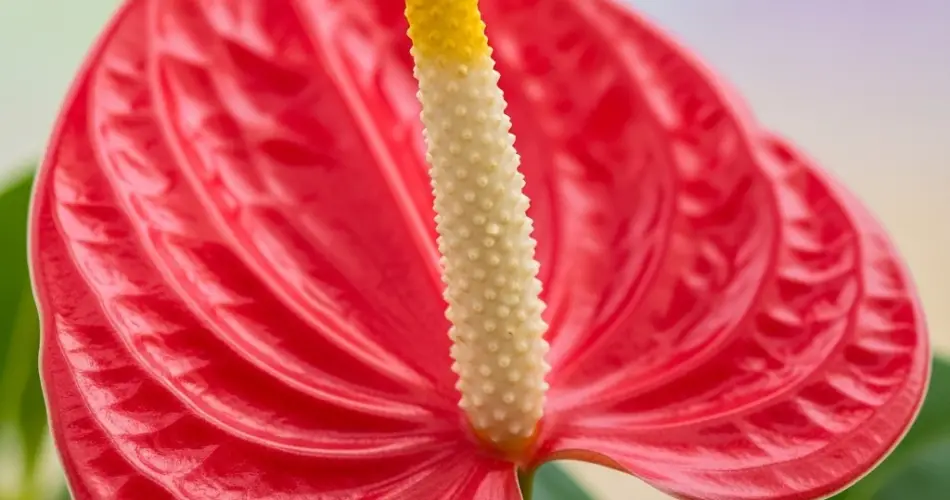
Anthuriums, often called “flamingo flowers” or “laceleaf,” are among the most stunning tropical plants you can grow indoors. With their glossy heart-shaped leaves and striking, long-lasting blooms, they add a pop of color and elegance to any home or office. While these plants are often seen as exotic and tricky, growing them successfully—and quickly—is entirely possible, even for beginners.
Whether you want more frequent blooms, faster foliage growth, or a healthier plant overall, this guide will walk you through the essential steps to get amazing results from your anthurium faster than ever before.
Choose the Right Variety
First, start with the right type of anthurium. While there are over 1,000 species, the most common for indoor growing is Anthurium andraeanum, known for its bright red or pink spathes. This variety is especially forgiving and thrives indoors when its needs are met.
Make sure to purchase your plant from a reputable source and choose one with healthy green leaves and no signs of pests or disease.
Get the Soil Right
Anthuriums don’t like heavy, compact soil. For faster growth and better flowering, use a well-aerated, fast-draining mix. You can create an ideal blend by combining:
-
1 part orchid bark
-
1 part peat moss or coco coir
-
1 part perlite
This mimics their native environment in the tropical rainforest, where roots enjoy moisture but also plenty of air.
Find the Ideal Lighting Conditions
Anthuriums thrive in bright, indirect light. Too little light can lead to poor flowering, while direct sunlight can scorch their leaves. A north- or east-facing window is usually ideal, or place the plant a few feet away from a brighter south- or west-facing window.
If you’re not seeing blooms, chances are the plant needs more light. Consider using a grow light during shorter winter days to keep it on track.
Water the Smart Way
Overwatering is a common mistake with anthuriums. These plants like their soil to be moist but never soggy. Use the “soak and dry” method:
-
Water thoroughly until excess drains out the bottom.
-
Allow the top inch of soil to dry out before watering again.
Always ensure the pot has good drainage. If the leaves turn yellow or brown at the tips, it could be a sign of overwatering or poor drainage.
Feed for Faster Blooms
Fertilizing regularly can significantly speed up both foliage and flower development. Use a balanced liquid fertilizer (such as 20-20-20) diluted to half strength once a month during spring and summer. A high-phosphorus formula (like 10-30-20) can also help boost flowering.
Avoid fertilizing in winter when the plant’s growth naturally slows down.
Maintain the Right Humidity
As tropical plants, anthuriums love humidity. If your home is dry, especially in winter, try one of these easy ways to raise humidity:
-
Place the plant on a pebble tray filled with water.
-
Group it with other humidity-loving plants.
-
Use a humidifier nearby.
Keeping humidity levels between 60–80% will lead to glossier leaves and more consistent blooming.
Repot Every 1–2 Years
Anthuriums don’t mind being a bit root-bound, but repotting every couple of years helps keep them vigorous. Choose a pot that’s only slightly larger than the current one, and always refresh the soil during the move.
If your plant has stopped blooming or the roots are spilling out of the drainage holes, it’s time to repot.
Prune for Health and Beauty
Regularly removing dead or yellowing leaves helps the plant direct energy to new growth. You can also prune leggy stems to encourage a bushier shape.
After flowering, remove spent blooms to stimulate the plant to produce new ones more quickly.
Propagate for More Plants
Once your anthurium is thriving, you can multiply your success through propagation. The easiest method is division:
-
Remove the plant from its pot and gently separate sections of the root system.
-
Each division should have a few healthy leaves and roots.
-
Repot each new plant and care for them as usual.
With the right conditions, each new division will soon grow and bloom just like the original.
Final Tips for Quick Results
-
Keep temperatures between 65°F and 80°F (18°C to 27°C) for optimal growth.
-
Clean leaves occasionally with a damp cloth to keep pores open and photosynthesis efficient.
-
Monitor for pests like spider mites or mealybugs, and treat early with neem oil or insecticidal soap if needed.
In Conclusion
Growing anthuriums may seem exotic, but with the right techniques, anyone can achieve fast, rewarding results. Focus on light, proper soil, humidity, and regular feeding to keep your plant happy and blooming. With a little attention and consistency, your anthurium can produce its dazzling flowers for months on end—and become a highlight of your indoor garden.


