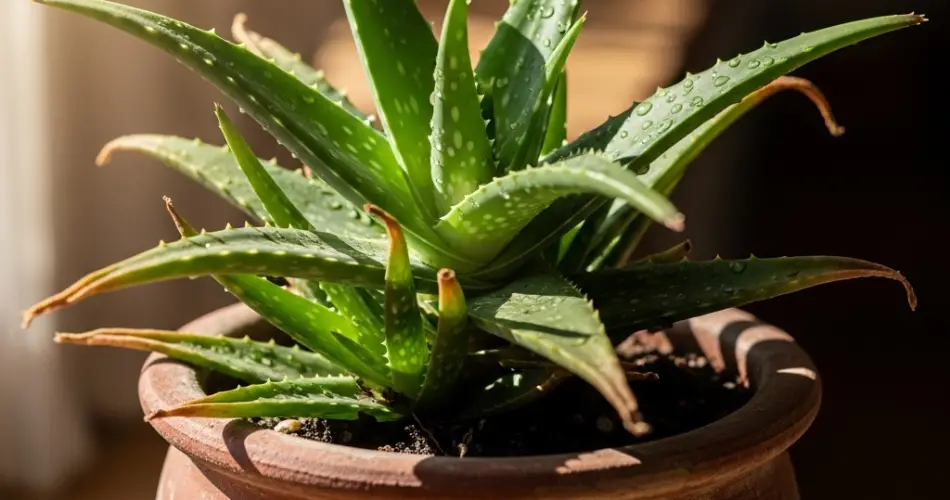
Aloe vera is a hardy succulent known for its soothing gel and ornamental appeal. It’s a perfect plant for growing in small pots, especially if you’re short on space or prefer indoor gardening. With the right setup and minimal care, aloe vera can thrive in containers for years. Whether you’re placing it on a sunny windowsill or a compact balcony, here’s how to successfully grow and maintain aloe vera in small pots.
Choosing the Right Pot for Aloe Vera
Aloe vera has shallow roots, which makes it an excellent candidate for small or medium-sized pots. However, not just any container will do. To ensure healthy root growth and avoid rot:
-
Pick a Pot with Drainage Holes: Aloe vera hates sitting in soggy soil. Drainage holes are non-negotiable, as they allow excess water to escape and prevent root rot.
-
Material Matters: Terracotta or unglazed clay pots are ideal. These materials are breathable and help dry out the soil more quickly, reducing the risk of overwatering.
-
Size Wisely: A pot that’s slightly larger than the root system gives your aloe enough room to grow without holding too much moisture. Avoid oversized pots, as they can retain water and stress the plant.
The Perfect Soil Mix
Aloe vera needs a light, well-draining soil to mimic its natural desert environment. Using regular potting soil alone can lead to root rot because it retains too much moisture. Instead, go for:
-
Commercial Cactus or Succulent Soil: These mixes are designed for fast drainage.
-
DIY Mix Option: Blend 2 parts potting soil, 1 part perlite or pumice, and 1 part coarse sand. This ensures the roots get both aeration and quick drainage.
Avoid heavy soils or those rich in organic material that retains water, like peat moss or compost.
Light Requirements
Aloe vera thrives in bright, indirect sunlight. When grown indoors in small pots, lighting becomes even more crucial for healthy development.
-
Ideal Location: Place your aloe near a south- or west-facing window where it can receive at least 6 hours of indirect light daily. Direct sunlight can sometimes scorch the leaves, especially in intense afternoon heat.
-
Outdoors: If placing your aloe outside during warmer months, introduce it gradually to direct sunlight to avoid sunburn. Filtered sun or partial shade in very hot climates is best.
-
Artificial Lighting: In darker interiors, you can supplement with a grow light to give your plant the brightness it needs.
Watering Aloe Vera the Right Way
The most common mistake with aloe vera care is overwatering. These succulents are built to withstand drought and prefer to stay on the drier side.
-
Water Infrequently: Let the soil dry out completely between waterings. Depending on your environment, this could mean watering every 2–4 weeks.
-
Water Deeply but Sparingly: When watering, give the plant a thorough soak until water drains from the bottom. Then, allow the soil to dry out before watering again.
-
Watch the Leaves: Flat, wrinkled, or thin leaves usually signal underwatering, while mushy, soft, or yellowing leaves indicate too much moisture.
Fertilizing Aloe Vera in Pots
Potted aloe vera needs occasional feeding, but over-fertilizing can damage the plant.
-
Use a Balanced Fertilizer: Apply a diluted (half-strength) liquid succulent or cactus fertilizer once in spring and again in midsummer.
-
Avoid Feeding in Fall and Winter: Aloe vera slows down in cooler months, and extra nutrients can build up in the soil and stress the roots.
Repotting Aloe Vera
Even in small containers, aloe vera eventually outgrows its pot or produces offsets (baby plants) that need more space.
-
When to Repot: Every 2–3 years or when you notice roots circling the inside of the pot or the plant becoming top-heavy.
-
How to Repot: Gently remove the plant, shake off old soil, and check the roots for rot. Replant in a clean pot with fresh, dry soil. Wait a few days before watering to let any damaged roots heal.
-
Propagating Pups: Remove and repot offsets once they have at least a few leaves and a small root system. These baby plants are easy to propagate and grow quickly.
Common Problems and Solutions
-
Yellow or Mushy Leaves: Caused by overwatering or poor drainage. Improve airflow and reduce watering frequency.
-
Brown Tips: Usually due to sunburn, overfertilization, or salt buildup. Trim the tips and flush the soil occasionally with clean water.
-
Leggy Growth: Indicates the plant isn’t getting enough light. Move it to a brighter location.
Final Thoughts
Aloe vera is one of the easiest and most rewarding plants to grow in small pots. Its sculptural leaves add greenery to tight spaces, and its medicinal gel offers a natural remedy for skin irritations. With proper soil, a sunny spot, and careful watering, your aloe can stay healthy and beautiful all year long—even in a compact container. Keep an eye on its needs, adjust seasonally, and your potted aloe will thrive for years to come.


