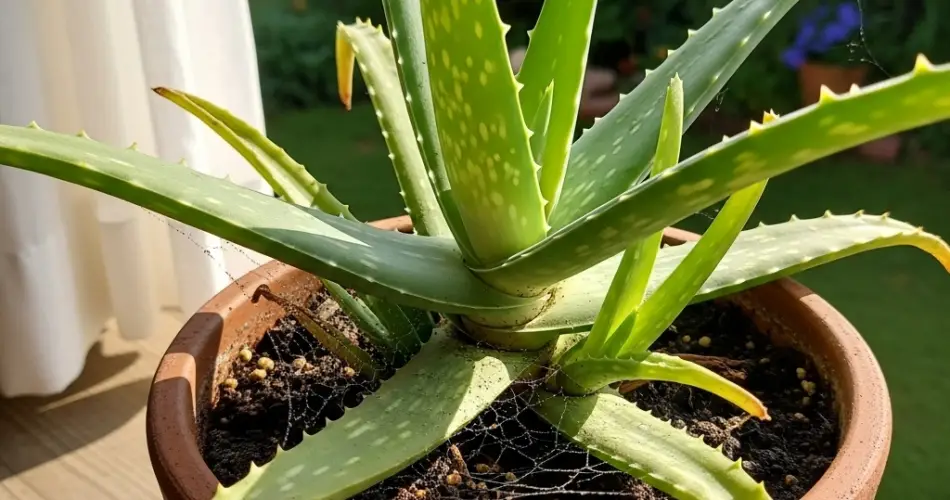
Aloe vera is a low-maintenance, attractive succulent that doubles as a natural remedy for skin irritations and burns. Its sculptural leaves and compact growth habit make it an ideal choice for indoor container gardening, especially in homes with limited space. Whether you’re placing it on a sunny windowsill, a kitchen counter, or a small plant shelf, aloe adapts beautifully to indoor conditions when grown in the right container and with the right care.
This guide will walk you through the essentials of creating a thriving compact aloe garden indoors—perfect for plant lovers with minimal room but maximum enthusiasm.
Why Aloe Vera Is Perfect for Indoor Containers
Aloe vera’s ability to store water in its thick, fleshy leaves makes it one of the most forgiving plants for beginners. It doesn’t need daily watering or constant attention. In fact, it thrives on a bit of neglect. As long as it has a suitable pot, proper drainage, and a sunny spot, aloe vera can flourish indoors year-round.
Compact aloe gardens are perfect for:
-
Apartments with limited light
-
Office desks
-
Small kitchens
-
Bathroom shelves
-
Minimalist interiors where greenery adds a touch of life
Choosing the Right Container
Drainage Is Non-Negotiable
Aloe vera hates wet feet. A container with a drainage hole is essential to prevent root rot. Without a way for excess water to escape, the roots can stay damp, encouraging fungal growth and rot.
Material Considerations
Terracotta and clay pots are best because they’re breathable. They help moisture evaporate faster, which is perfect for a drought-tolerant plant like aloe. Plastic pots can work too, especially if they’re light-colored and have adequate drainage, but be cautious of overwatering.
Size It Right
Choose a pot that’s slightly larger than the root ball of your aloe plant. Avoid oversized containers, as excess soil holds moisture and increases the risk of overwatering. For small spaces, consider shallow bowls or square pots that can be grouped together to form a mini aloe garden.
Soil Mix for Indoor Aloe Gardens
Aloe vera requires a light, well-draining soil mix. Use a cactus or succulent soil blend that contains sand, pumice, or perlite. You can also make your own by mixing:
-
2 parts regular potting soil
-
1 part coarse sand
-
1 part perlite or pumice
Avoid moisture-retaining soils or those containing peat moss, as these stay damp for too long and create the wrong environment for aloe.
Light Requirements Indoors
While aloe vera is hardy, it does need plenty of light to grow well indoors. A bright south- or west-facing window is ideal. The plant thrives in direct or filtered sunlight for at least 6 hours a day. If natural light is insufficient, supplement with a full-spectrum grow light positioned about 6–12 inches above the plant.
If your aloe starts stretching out and becoming leggy, it’s a sign it’s not getting enough light. In that case, reposition it or use artificial lighting to maintain its compact form.
Watering Aloe Indoors
Watering aloe correctly is critical. Indoors, where evaporation rates are slower, it’s easy to overdo it.
-
Water thoroughly, then allow the soil to dry out completely before watering again.
-
On average, watering once every 2–3 weeks is sufficient, but this may vary based on temperature, humidity, and light.
-
In winter, reduce watering frequency significantly, as the plant enters a semi-dormant state.
When watering, avoid splashing water into the center of the rosette where the leaves form. Standing water there can lead to rot.
Feeding and Maintenance
Aloe vera doesn’t require heavy feeding. Apply a diluted cactus fertilizer (half strength) once a month during the growing season (spring and summer). Skip fertilizing during fall and winter.
To keep your indoor aloe garden looking its best:
-
Remove dead or withered leaves from the base using clean scissors.
-
Wipe dust off the leaves regularly so they can absorb light more effectively.
-
Check for pests like mealybugs or aphids, especially around the leaf joints.
Creating a Mini Aloe Collection
One of the joys of growing aloe indoors is the variety. While Aloe vera is the most common species, there are many other compact aloes that work beautifully together in a grouped arrangement. Try combining Aloe ‘Black Gem’, Aloe juvenna, or Aloe aristata for visual variety in leaf shape, texture, and color.
Use small individual pots or a wide, shallow container to plant several mini aloe varieties together. Ensure each has enough space to grow, and use the same well-draining soil throughout. These low-profile gardens are eye-catching and easy to maintain.
Final Thoughts
Indoor aloe gardens are practical, space-saving, and visually appealing. With the right container, soil, light, and care, aloe vera and its relatives can thrive for years inside your home. Whether you’re growing a single plant on your windowsill or assembling a miniature aloe jungle on your bookshelf, this resilient succulent offers both style and substance.


