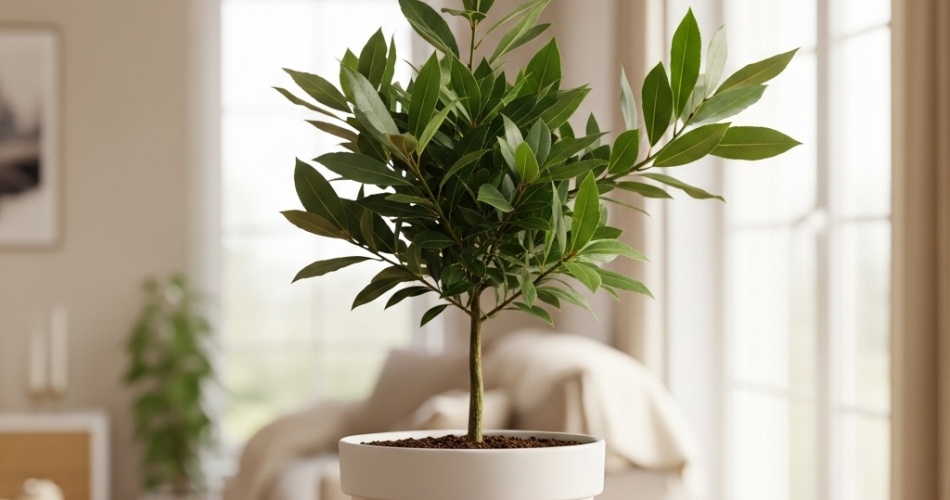
Bay leaf, also known as Laurus nobilis, is a fragrant herb commonly used in soups, stews, and sauces. The tree grows slowly, but it can live for decades and becomes a beautiful evergreen plant with dark green, leathery leaves. Growing a bay leaf tree in a pot is practical for home gardeners, especially those in cooler climates where the tree cannot survive outdoors year-round. Here’s a complete guide to growing a healthy bay leaf tree at home in a pot.
1. Selecting the Right Type of Bay Tree
Not all “bay” plants are the same. Make sure to choose the true bay tree, Laurus nobilis, which is the culinary variety used in cooking. Avoid confusing it with other plants called bay, such as the California bay (Umbellularia californica) or cherry laurel, which are not suitable for culinary use.
Purchase a healthy young bay tree from a garden center or nursery. It’s easier and faster to start with a young plant rather than trying to grow one from seed, which can take months to germinate and years to mature.
2. Choosing the Best Pot and Soil
Bay trees have a slow-growing root system but benefit from deep pots to accommodate their long-term growth. Select a pot that is at least 30–40 cm (12–16 inches) in diameter with good drainage holes.
Use a high-quality, well-draining potting mix. A blend of loamy soil, compost, and perlite or coarse sand works well. The soil should be slightly acidic to neutral (pH 6–7). Avoid heavy garden soil that can become compacted over time.
3. Planting Your Bay Tree
Before planting, ensure your pot has drainage holes at the bottom. Fill the pot with the prepared soil, leaving space in the center for the tree. Remove the young bay tree from its nursery container, gently loosen the roots, and place it into the new pot. Fill around the root ball with soil, then water thoroughly to help settle the roots.
After planting, add a layer of mulch to retain moisture and reduce weeds, but keep the mulch a few centimeters away from the trunk to prevent rot.
4. Ideal Growing Conditions
Light: Bay trees prefer full sun to partial shade. If you’re growing the plant indoors, place it near a bright window where it gets at least 6 hours of light daily. Outdoors, a sunny balcony or patio is ideal.
Temperature: Bay trees are Mediterranean plants and thrive in mild conditions. They are hardy in USDA zones 8–10. If you live in a colder region, bring the plant indoors during the winter months to protect it from frost.
Watering: Bay trees don’t like soggy soil. Water when the top inch of soil feels dry, and allow excess water to drain out. During hot weather, you may need to water more often. Reduce watering in the winter when the plant is dormant.
Humidity: If kept indoors, mist the leaves occasionally or place a humidity tray nearby, especially during winter when indoor air tends to be dry.
5. Feeding and Fertilizing
Bay trees are not heavy feeders, but a little boost can support healthy leaf growth. Feed your bay tree once a month during spring and summer with a balanced liquid fertilizer diluted to half strength. In autumn and winter, stop feeding as the plant goes into rest mode.
6. Pruning and Shaping
Bay trees respond well to pruning and can be shaped into attractive topiary forms or kept compact in small spaces. Prune in early spring or late summer to remove any dead or damaged branches and to maintain the desired shape.
If the tree becomes too tall or leggy, pinch back new growth to encourage bushiness. Regular pruning also improves air circulation and reduces the chance of pest infestations.
7. Repotting and Maintenance
Bay trees grow slowly, so they don’t need frequent repotting. Repot every 2–3 years or when the plant becomes root-bound. Choose a pot one size larger than the current one and refresh the soil.
Even if not repotting, top up the container annually by removing the top few centimeters of old soil and replacing it with fresh compost.
8. Pest and Disease Control
Bay trees are relatively pest-resistant but can occasionally suffer from scale insects, aphids, or spider mites. Inspect the plant regularly and treat infestations with neem oil or insecticidal soap. Also, ensure good air circulation to prevent fungal issues like powdery mildew.
9. Harvesting Bay Leaves
You can begin harvesting leaves once the tree is well established and has enough foliage—usually after a year of growth. Pick mature, dark green leaves and let them dry for a few days before storing. Dried bay leaves have a more concentrated flavor than fresh ones and can be kept in an airtight container for several months.
Final Thoughts
Growing a bay leaf tree in a pot is an excellent way to have fresh, aromatic leaves at your fingertips. With proper care, a single tree can supply your kitchen for years. As a bonus, its attractive evergreen foliage adds beauty to balconies, patios, and windowsills alike. Whether you’re a seasoned gardener or just starting out, a potted bay tree is a low-maintenance and rewarding addition to your herb garden.


