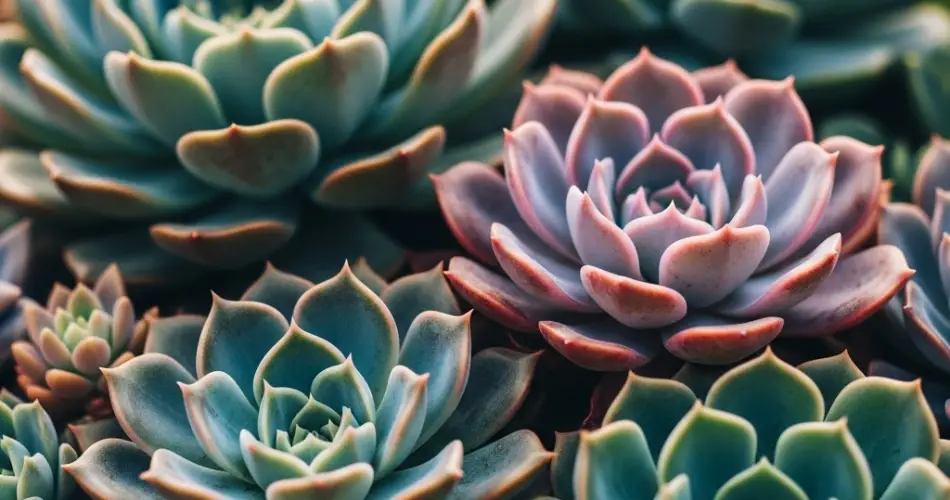
Succulents are one of the most popular houseplants worldwide, loved for their unique shapes, vibrant colors, and low-maintenance nature. If you’re living in a small apartment, growing succulents from seed is a fantastic way to create your own miniature indoor garden without needing much space.
Germinating succulents might seem intimidating at first, but with the right guidance, it’s an enjoyable and rewarding process. This article will guide you through the step-by-step process of successfully germinating succulents in your apartment, no matter how small your space.
Why Grow Succulents from Seed?
Growing succulents from seed allows you to:
-
Access a wide variety of species, including rare and unusual types.
-
Enjoy the full growth cycle and watch your plants develop from tiny seedlings.
-
Expand your collection inexpensively.
-
Experience the satisfaction of nurturing plants from the very start.
While succulents can be propagated from leaves or cuttings, germinating from seed lets you try unique varieties and develop gardening skills.
Step 1: Choose Your Succulent Seeds Wisely
Not all succulents are equally easy to grow from seed. For beginners, it’s best to start with varieties known for quicker germination and easier care, such as:
-
Echeveria
-
Sedum
-
Sempervivum (hens and chicks)
-
Crassula
Purchase seeds from reputable suppliers to ensure good viability.
Step 2: Prepare Your Growing Medium
Succulents need a well-draining, airy growing medium to prevent root rot during germination. A suitable mix includes:
-
Cactus or succulent potting soil.
-
Coarse sand or perlite for added drainage.
Use a shallow container or seed tray with drainage holes. Fill it loosely with your soil mix and gently moisten it without making it soggy.
Step 3: Sow Your Seeds Correctly
Succulent seeds are tiny and delicate, so handle with care:
-
Sprinkle the seeds evenly on the soil surface—do not bury them deeply.
-
Some succulent seeds require light to germinate, so leaving them uncovered is often best.
-
Lightly mist the surface to settle the seeds.
Label your container with the seed variety and date to keep track.
Step 4: Provide the Right Environment
Seeds need warmth, light, and humidity to germinate successfully.
-
Place the container in a warm spot, ideally between 70-80°F (21-27°C).
-
Provide bright, indirect light, such as near a south-facing window or under grow lights.
-
Maintain humidity by covering the container with a clear plastic lid or plastic wrap. This creates a mini greenhouse effect but remember to remove it occasionally to prevent mold.
Step 5: Watering with Care
Keep the soil consistently moist but not waterlogged during germination.
-
Mist gently with a spray bottle when the surface starts to dry.
-
Avoid pouring water directly onto the seeds, which can displace or damage them.
-
Once seedlings emerge, gradually reduce humidity and watering frequency to avoid fungal issues.
Step 6: Be Patient and Monitor Growth
Succulent seeds can take anywhere from a few days to several weeks to germinate depending on species and conditions.
-
Watch for tiny green sprouts.
-
Keep the environment stable without drastic temperature fluctuations.
-
Avoid disturbing the soil surface.
Once seedlings develop their first true leaves, they’re ready for more light and less humidity.
Step 7: Transplanting Seedlings
When your seedlings are big enough to handle (usually when they have a few sets of leaves and are about an inch tall), it’s time to transplant.
-
Use small pots or containers with drainage.
-
Fill with a well-draining succulent soil mix.
-
Gently lift seedlings with a spoon or similar tool, being careful not to damage roots.
-
Plant them spaced out to allow airflow and room for growth.
Continue to water sparingly and keep them in bright, indirect light.
Step 8: Ongoing Care in Small Spaces
Succulents thrive with minimal care, making them perfect for apartments:
-
Provide 6 or more hours of indirect sunlight daily.
-
Avoid overwatering — let soil dry between waterings.
-
Keep temperatures comfortable, ideally between 60-80°F (15-27°C).
-
Rotate plants occasionally to ensure even growth.
Troubleshooting Common Issues
-
Seeds not germinating? Check temperature, moisture, and light levels.
-
Mold or fungus? Increase airflow and reduce humidity. Avoid overwatering.
-
Seedlings leggy or pale? Provide more light to keep them compact and healthy.
Conclusion
Germinating succulents in a small apartment is both feasible and enjoyable. By selecting the right seeds, preparing a well-draining medium, and maintaining optimal light, moisture, and temperature, you can grow beautiful succulents right on your windowsill.
This rewarding process allows you to nurture your plants from the very beginning, creating a personalized green space regardless of how limited your room is.
With patience and care, your tiny succulent seeds will grow into stunning plants that brighten your home and bring a touch of nature indoors.


